Season: December, January, February, March
Snow camping, gently
Japan's snow country makes a beautiful winter campground, but cold and stoves demand respect. Start small, choose a staffed site, plan the warm-up bath and never heat a closed tent.
- Best months
- December to early March
- Getting there
- Snow tyres or chains, or train and bus
- Pack
- Winter sleeping bag, two mats, CO alarm, snow shovel
Winter camping has grown popular in Japan, and it is easy to see why. Campgrounds are quiet, the snow muffles every sound, stars are sharp in the dry air and the onsen afterwards feels better than at any other time of year. It is also the season with the least room for mistakes. Cold, snow and the stoves people bring to stay warm can all hurt you. Start gently and build up.
Where winter camping works
Many campgrounds close for the winter, especially in the mountains and the north, and many of the most famous highland sites shut from late autumn until spring. Others stay open all year, and some welcome snow campers specifically. Check each site's season before you plan, and ask whether the toilets and water taps work in winter; pipes are often drained to stop them freezing.
For a first winter trip, choose a campground with staff on site, a heated toilet block, and somewhere warm to retreat to: a lodge, a cabin or a car you can sit in. Lower campgrounds near the coast or on the Pacific side of Honshu often have dry, cold, clear weather with little snow, which makes a good introduction before you try deep snow.
Snow country
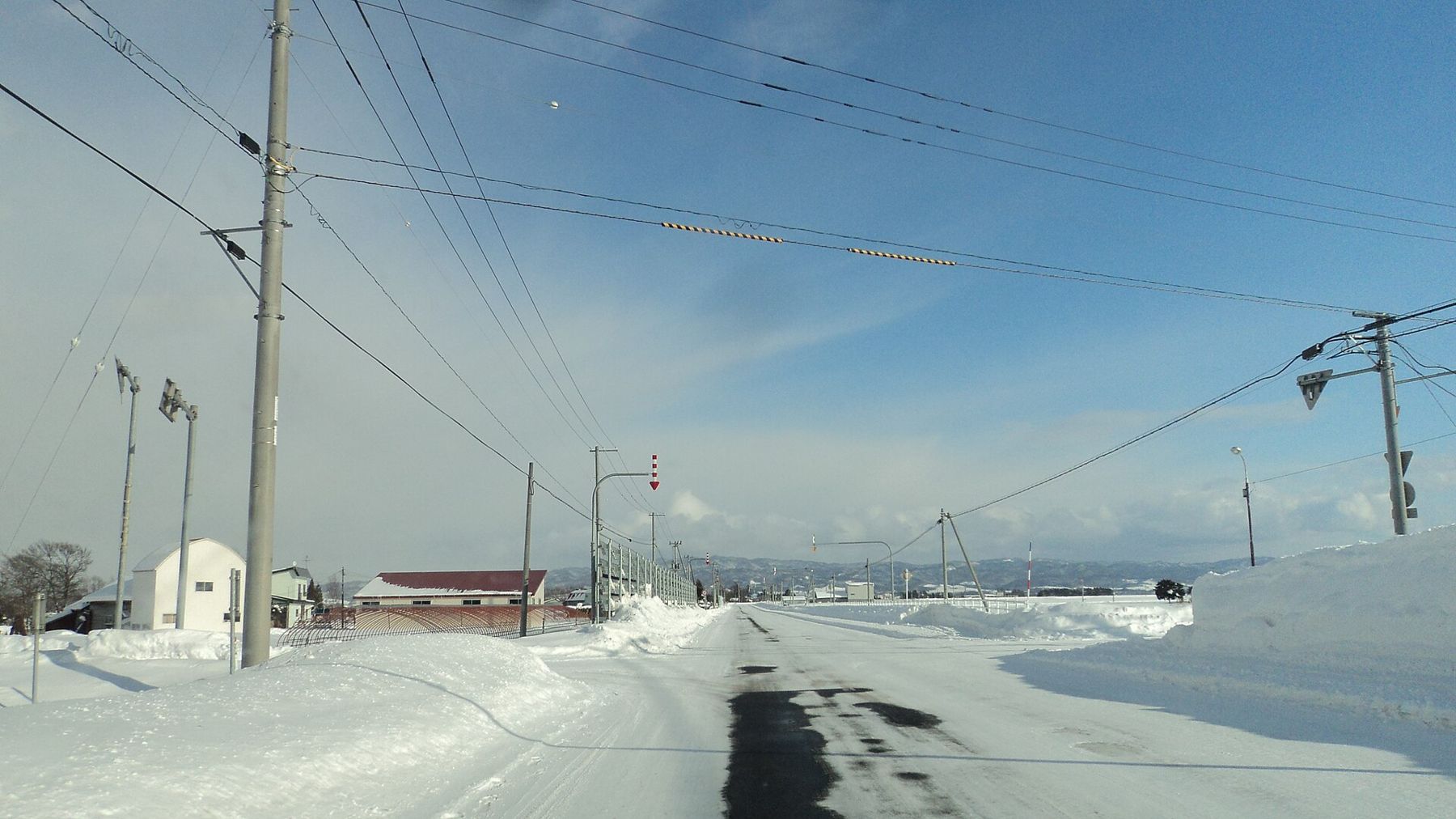
The deep snow falls on the Sea of Japan side of Honshu and across much of Hokkaido. Cold winds from the continent pick up moisture over the sea and drop it as heavy snow on the mountains of Niigata, Nagano, Tohoku and Hokkaido. These are some of the snowiest inhabited places on earth. The Pacific side, including Tokyo, often has dry, sunny winters by comparison.
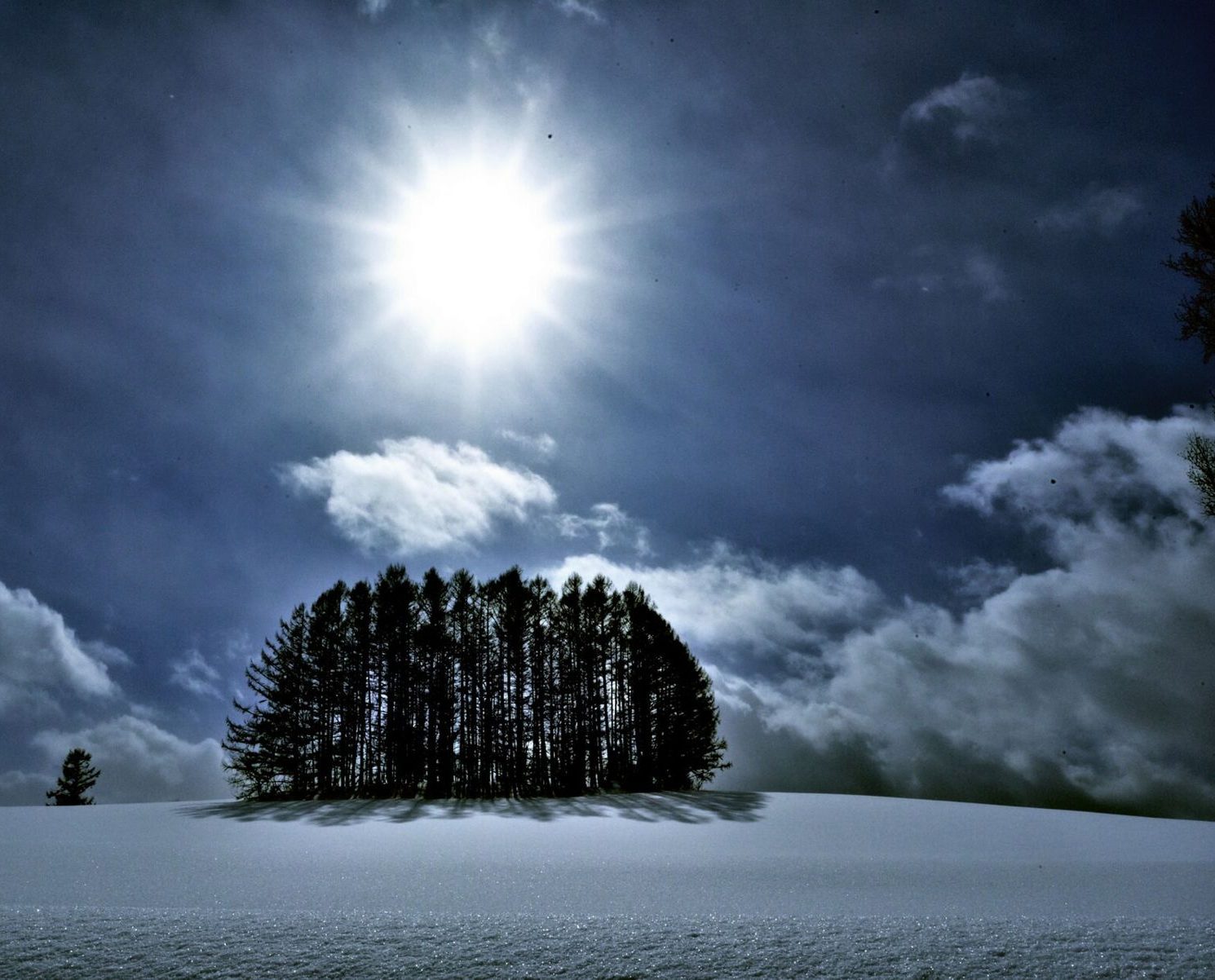
Hokkaido inland is the coldest: nights there can fall well below minus ten degrees Celsius, and colder in the interior basins. In Honshu's snow country, the temperature is milder but the snow is wetter and heavier.
Gear rated for the cold
Winter camping is mostly about staying warm while you sleep. Most heat is lost to the ground, so the mat matters as much as the bag.
- A winter sleeping bag rated well below the coldest night you expect. Check the comfort rating, not the extreme limit.
- Two sleeping mats: a closed-cell foam mat under an insulated inflatable one.
- Dry base layers kept only for sleeping, a warm hat and dry socks.
- A tent with snow skirts or one that sheds snow, with a vestibule for boots and gear.
- Snow pegs or stakes that hold in snow, and a small shovel to flatten a pitch and clear snow from the tent.
Butane gas canisters work poorly in the cold. Keep canisters warm in your jacket or sleeping bag before use, or use a gas mix designed for cold weather. Cold also drains batteries fast, so keep phones and headlamps warm too.
 another page in the bookBears, bells and mountain safety
Stoves, heaters and carbon monoxide
This is the part of winter camping that kills people every year, in Japan and everywhere else. Stoves, heaters, lanterns and charcoal burners all produce carbon monoxide. It has no smell and no colour. In a closed tent, it builds up quietly while you sleep, and the first symptoms, a headache, drowsiness and sickness, are easy to mistake for tiredness.
- Never burn charcoal inside a tent or a closed vestibule, even for a moment.
- Never sleep with a stove or heater running inside a tent.
- If you use a heater in a large tent while awake, keep vents and doors open, follow the maker's instructions exactly and use a carbon monoxide alarm.
- Do not sit in a running car buried in snow; snow can block the exhaust.
- If anyone has a headache, feels sick or dizzy, get everyone into fresh air at once and call for help.
Cook outside the tent, under a tarp with open sides, and use fire stands where the campground allows fires. A good sleeping system, not a heater, should be what keeps you warm at night.
Cold, snow and the road
Hypothermia and frostbite creep up slowly. Change out of damp clothes as soon as you stop moving, eat and drink warm food, and go inside the moment someone starts shivering hard or stops making sense. Heavy snow can also collapse a tent; clear it from the roof during the night if snow keeps falling.
Driving in snow country needs winter tyres or chains, and roads can close in a storm. Rental cars in snowy areas usually come with winter tyres, but check. If you are not used to driving on snow and ice, take the train and a local bus, or a taxi for the last stretch; the guide to getting there without a car has more on this.
Days are short. In December the sun sets around half past four in much of Japan, and earlier in Hokkaido. Arrive early, pitch in daylight, and have the evening planned.
The onsen to warm up
A hot spring is the reward that makes winter camping in Japan special. Many snow country campgrounds have a bath nearby, and some have their own. Time the bath for the evening, before quiet hours, and go to bed warm and dry. Walk back carefully on icy paths, and keep your head and hands covered after the bath so you do not lose the heat on the way. The onsen guide covers the etiquette.
Start with one night at a staffed campground, with a car or a lodge nearby. After that, you will know what your gear can handle and how winter feels from inside a tent.