Nagano Prefecture
Kamikochi and the Northern Alps
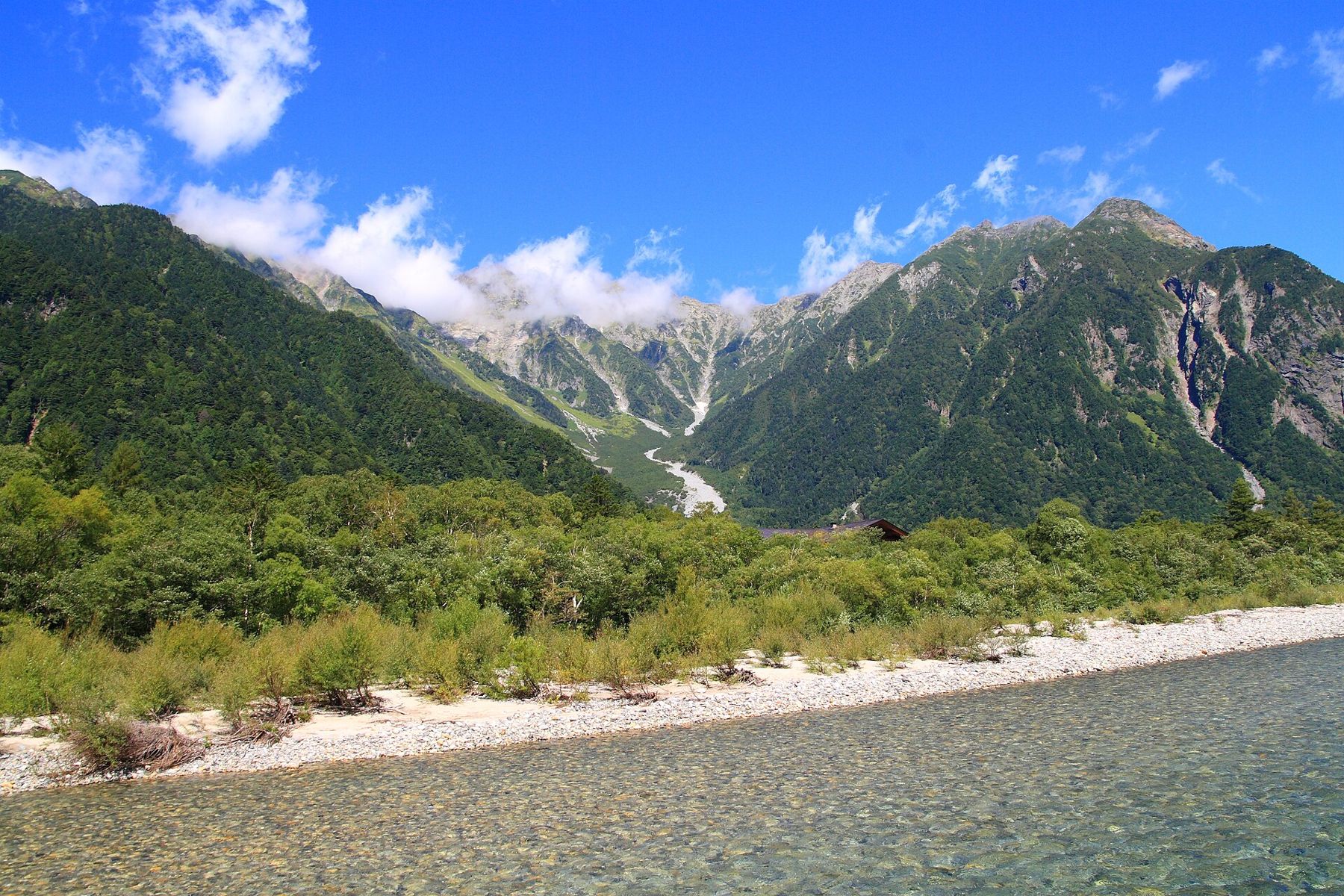
A high valley closed to private cars, a clear river under granite peaks, and a short season between the spring opening and the first snow.
- Best months
- Late May to October
- Getting there
- Bus from Matsumoto or Takayama, no private cars
- Pack
- Bear bell, rain gear, warm layers, food-safe container
A valley without cars
Kamikochi is a long, flat-floored valley at about 1,500 metres in the Hida Mountains, the range most people know as the Northern Alps. It lies in Nagano Prefecture, inside Chubu-Sangaku National Park, and it is one of the few places in Japan where a famous mountain valley has stayed free of private cars. The road in is open only to buses, taxis and permitted vehicles, so you arrive in a shuttle and leave the same way. That one rule shapes the whole place. The valley floor is quiet, the air smells of pine and river water, and the noise at night is the Azusa River running over stones.
Above the valley stand the Hotaka peaks, a wall of grey granite and scree. Okuhotakadake, the highest of them, is the third highest mountain in Japan, and from the valley floor its ridge seems close enough to touch. For walkers, Kamikochi is the start of many classic routes into the Northern Alps. For campers, it is a place to stay a few days, walk the flat valley trails, and watch the light change on the peaks.
Kamikochi is open for a limited season. The road opens in late April and closes in mid November, and through the winter the valley is deep in snow and closed to ordinary visitors. Dates are set each year, so check before planning a trip at either end of the season.
Kappa Bridge and the Azusa River
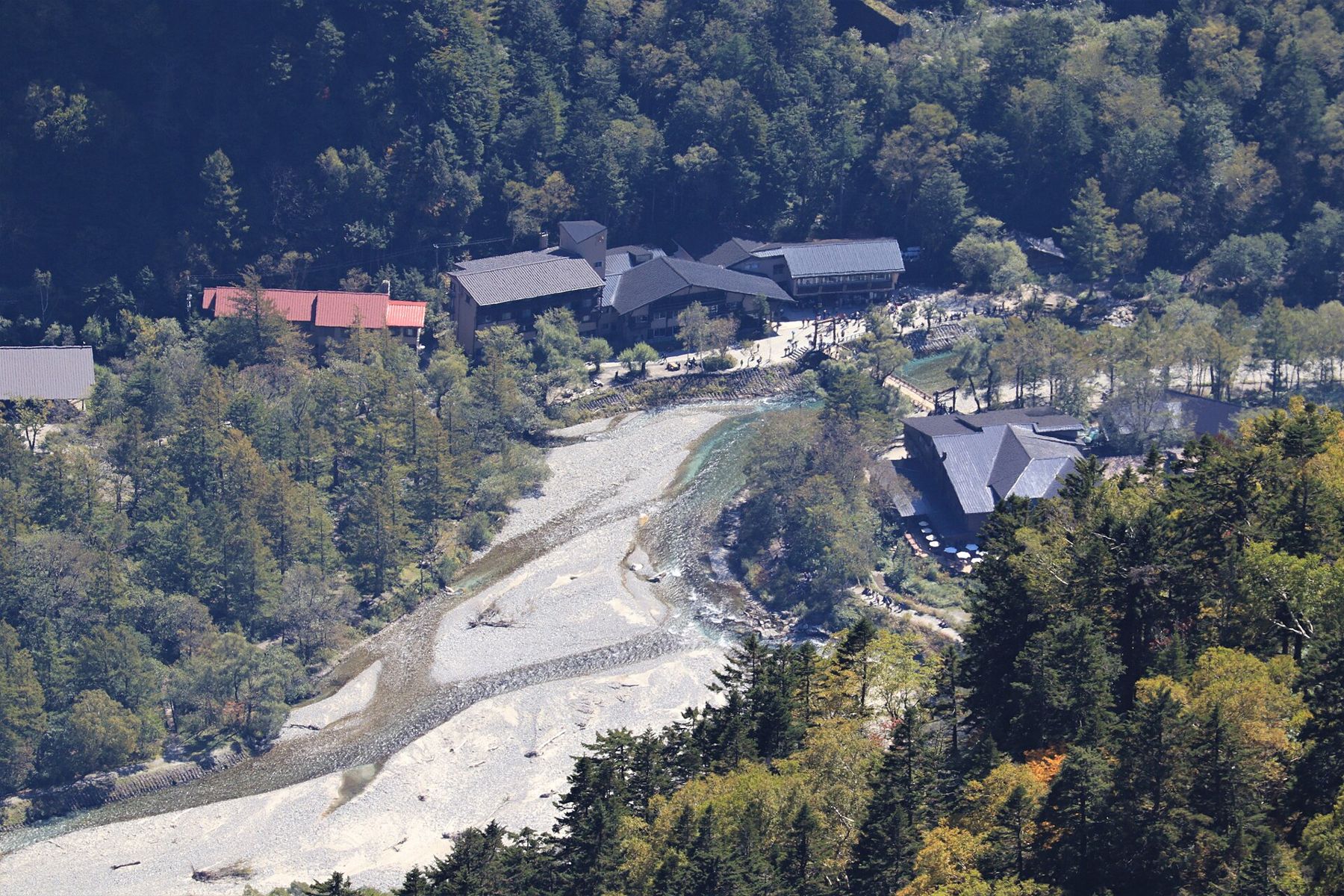
The centre of Kamikochi is Kappa Bridge, a wooden suspension bridge across the Azusa River, a few minutes' walk from the bus terminal. From the bridge, you look upstream to the Hotaka peaks and down into water so clear you can count the stones on the bottom. By late morning in summer the bridge is crowded with day visitors, so for a quiet view, go early or in the evening, when the buses have gone.
The Azusa runs fast and cold, fed by snowmelt well into summer. It is beautiful to look at and a bad place to swim; the current is strong, and the water stays close to freezing. Paddling at the edge is common, but keep children close and stay out of the main channel.
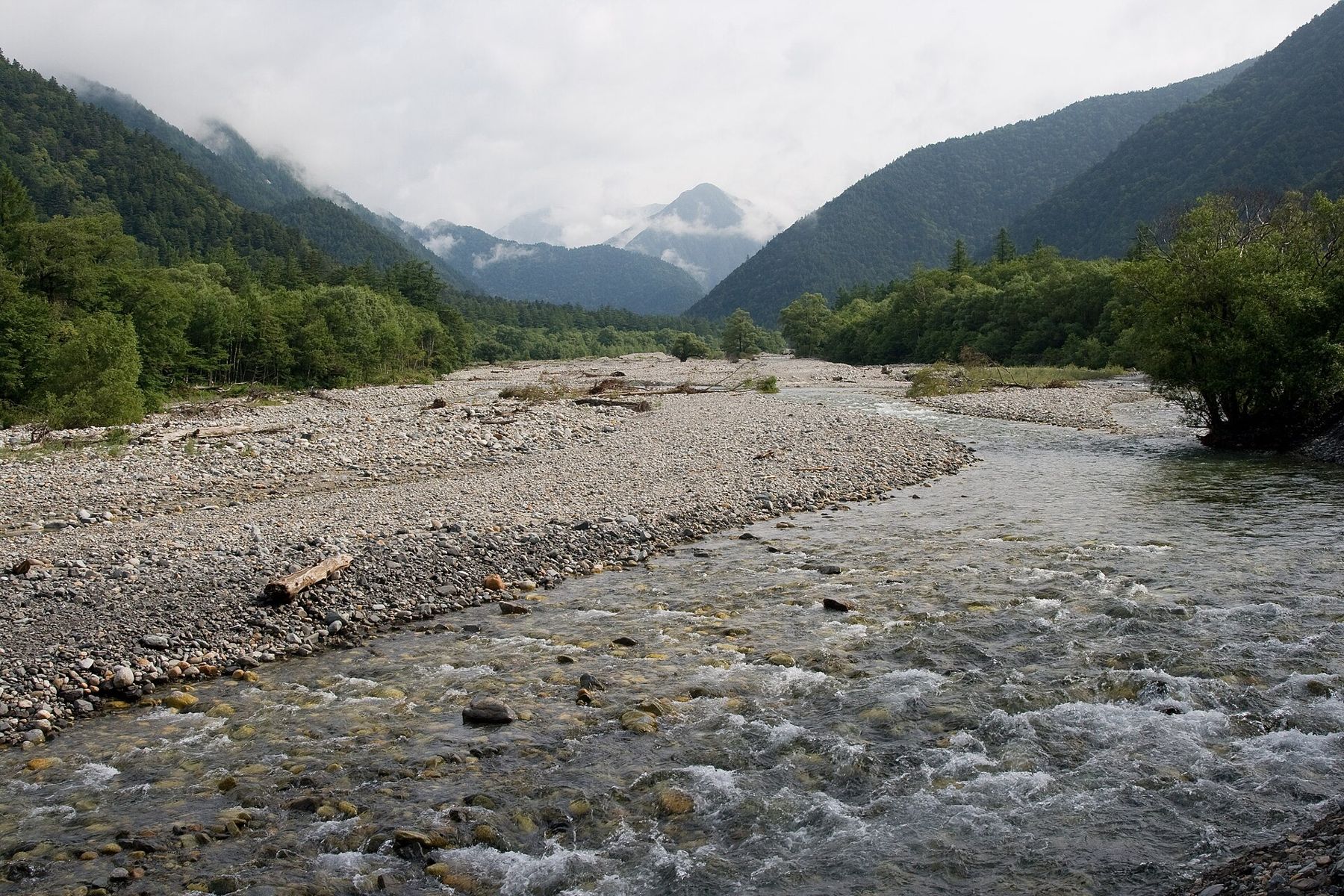
Downstream from the bus terminal, a path leads to Taisho Pond, formed when an eruption of the volcano Yakedake dammed the river in 1915. Dead trees still stand in the water, and Yakedake sometimes steams on the skyline. Upstream, an easy, level trail follows the river to Myojin, where a small pond holds the inner shrine of Hotaka Shrine, and on to Tokusawa, the traditional base for climbers heading toward the high peaks. The walk from Taisho Pond to Tokusawa takes most of a day at an easy pace, and you can turn back at any point.
Camping at Konashidaira
The main campground in the valley is at Konashidaira, a short walk upstream from Kappa Bridge, in a flat stand of larch and other trees by the river. You carry your gear in from the bus terminal, so this is not auto-camping; a cart or a pack that rides comfortably on your back makes the walk easier. Tents can be rented, and there are simple cabins, washrooms and a small shop. Tokusawa, further up the valley, also has camping, used mainly by walkers and climbers.
Rules here are stricter than at most lowland campgrounds, and the reasons are good ones. Kamikochi is a national park and an important habitat, and the valley has had serious problems with bears. Booking requirements, opening dates, fees and the rules on what you can bring change from season to season, so read the current rules before you go. Our guide to check-in and quiet hours covers the general customs that apply here as everywhere.
In Kamikochi, a tidy camp is not just good manners. It is the main thing that keeps bears away from people.
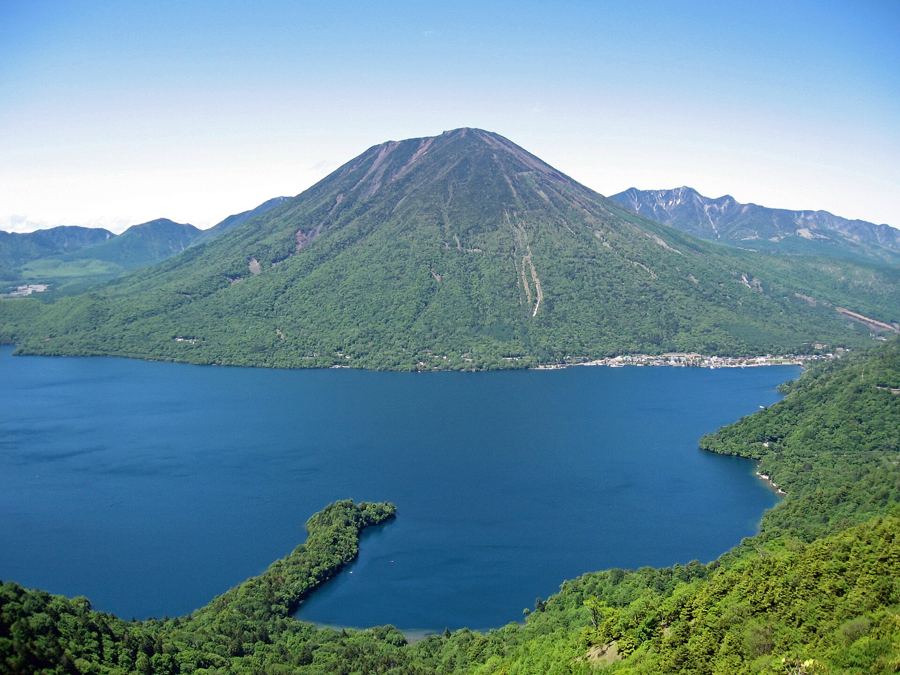 another page in the bookNikko's shrines and the Senjogahara plateau
Bears, monkeys and staying safe
Asian black bears live throughout the Northern Alps, and the valley sits in the middle of their range. In recent years bears have come into the valley's campgrounds at night, and food rules have tightened as a result. In Kamikochi, a tidy camp is not just good manners. It is the main thing that keeps bears away from people. Never leave food, rubbish, cooking pots or anything with a smell outside or inside your tent. Use the storage the campground provides, cook and eat away from where you sleep, and follow every instruction from staff. Carry a bear bell on the trails, especially in the early morning and evening, and read our guide to bears and mountain safety before you go.
Japanese macaques are common in the valley and often sit on the trails or forage along the riverbanks. They are used to people but are wild animals. Do not feed them, do not leave food where they can grab it, and give them room to pass.
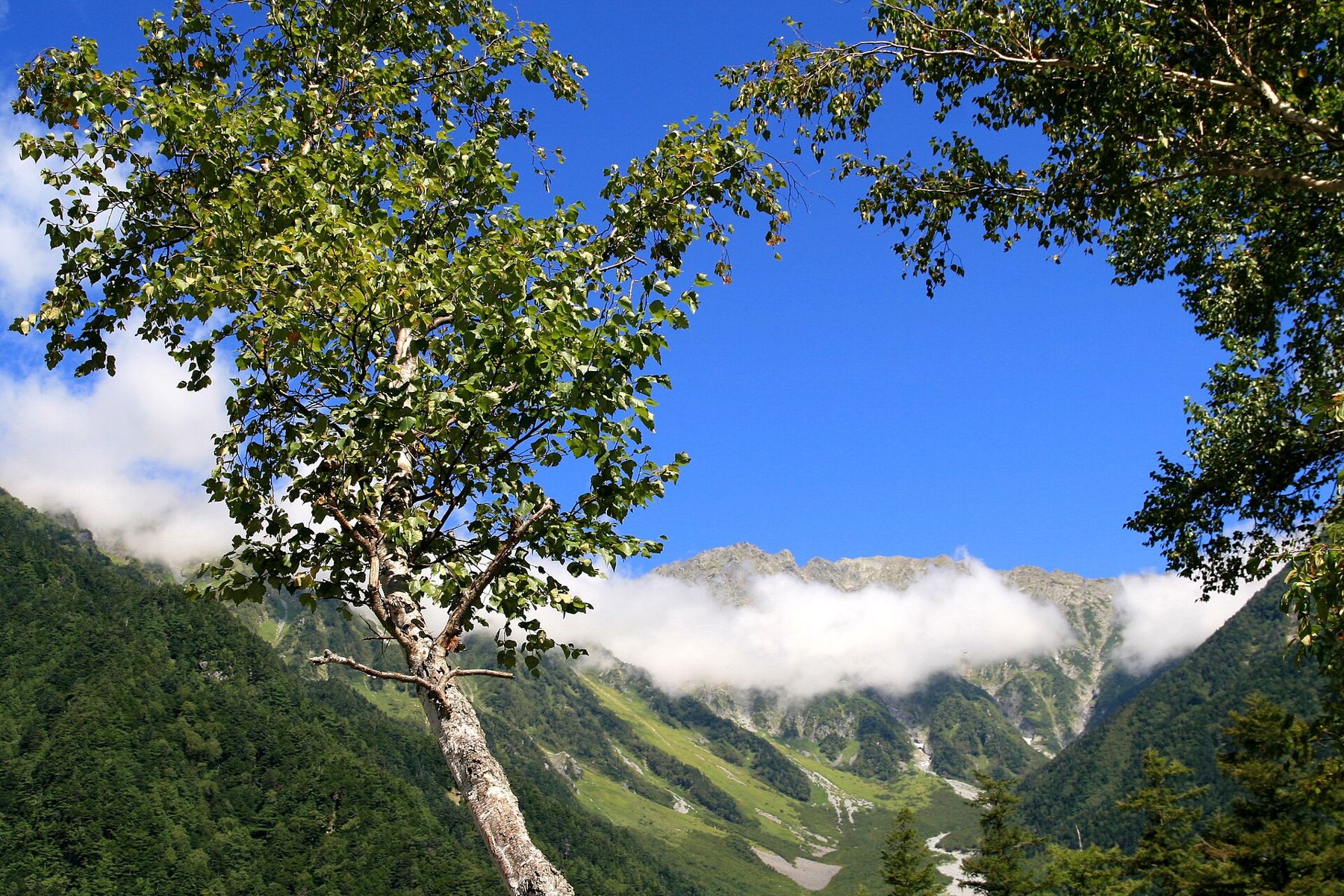
The mountains above the valley are serious terrain. If you head up toward the high peaks, you need proper mountain gear and experience, and the routes above Tokusawa cross steep scree, snowfields early in the season and exposed rock. Mountain weather changes fast, and thunderstorms are common on summer afternoons. Fill in a climbing plan, start early, and turn back when the weather says so.
Seasons in the valley
The season opens in late April with snow still on the peaks and patches of it in the shade of the valley. The larches green up in late May and June, and the rainy season brings wet weeks in late June and July. Midsummer is the busiest time, when the valley is cool while the lowlands swelter, which is why Kamikochi features in our guide to summer in the highlands. Even then, nights at 1,500 metres are cold, so bring a warm sleeping bag and a fleece.
Autumn is the other peak. The larches turn gold in October, the first snow often dusts the Hotaka ridge, and nights can drop below freezing. The last weeks before closing are quiet, cold and very clear. Every year a festival marks the opening of the season in late April and a ceremony marks the closing in November.
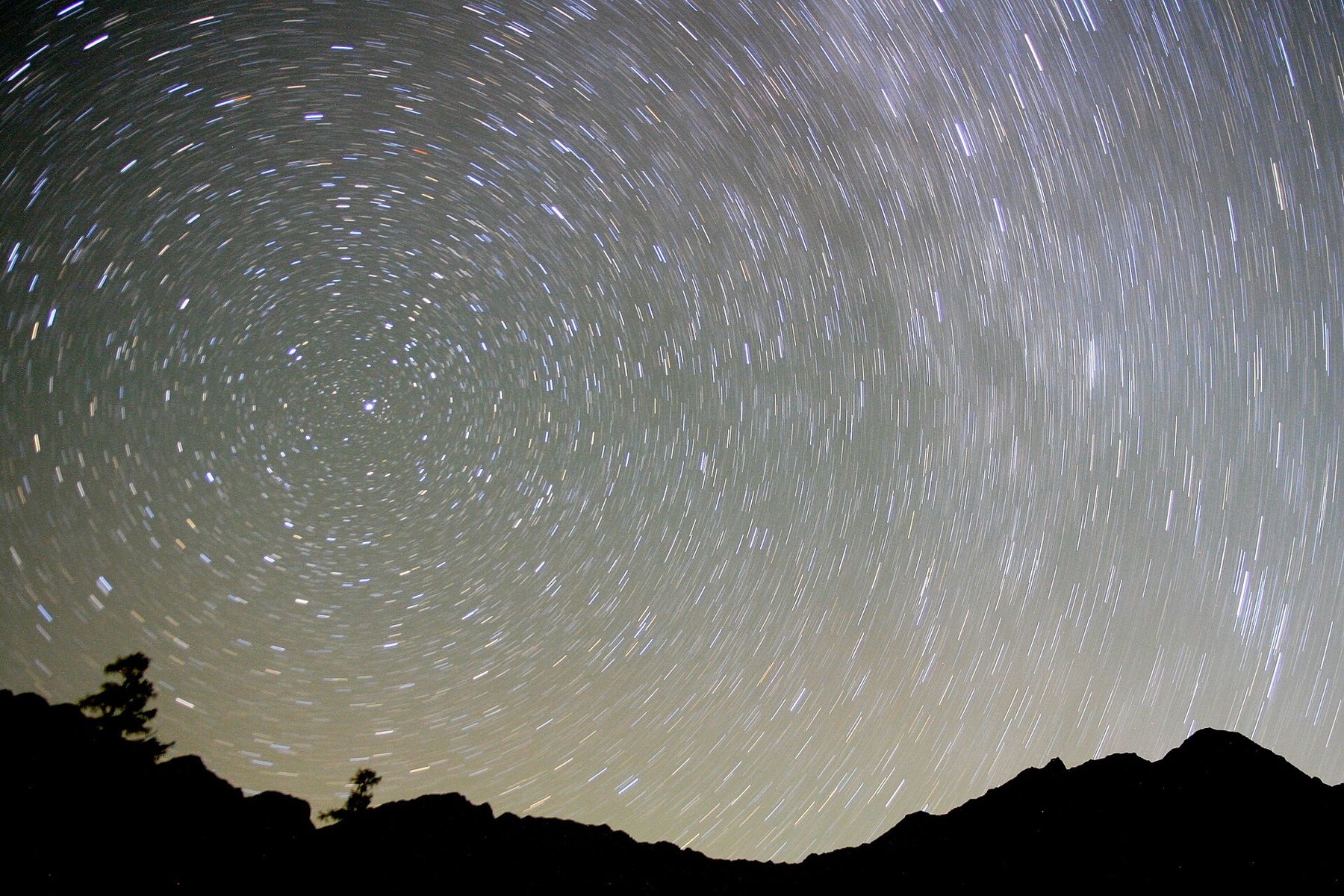
Whatever the month, pack for both sun and cold. The valley floor can be warm at midday under a high, strong sun, then drop sharply once the sun goes behind the ridge in the late afternoon. A sun hat, sunscreen and a down jacket all earn their place in the same bag, and a headtorch helps on the short walk from the washrooms after dark.
Getting there
From the Nagano side, take a train to Matsumoto, then the small private railway to Shin-Shimashima, and a bus from there up the valley road to Kamikochi. Drivers park at Sawando, below the closed section of road, and change to a shuttle bus or taxi. From the Gifu side, buses run from Takayama via Hirayu Onsen, where there is also parking. Some highway buses run directly from Tokyo and Osaka during the season.
Buses are frequent in summer and thinner at the start and end of the season. Check the timetable and the time of the last bus out, especially if you are coming down from a walk. Carry everything you need in, and plan to take your rubbish out with you.