How camping works
Booking, check-in and quiet hours at Japanese campgrounds
Japanese campgrounds run to a timetable. Book early for holidays, arrive inside the check-in window, keep fires on stands and keep voices down after dark.
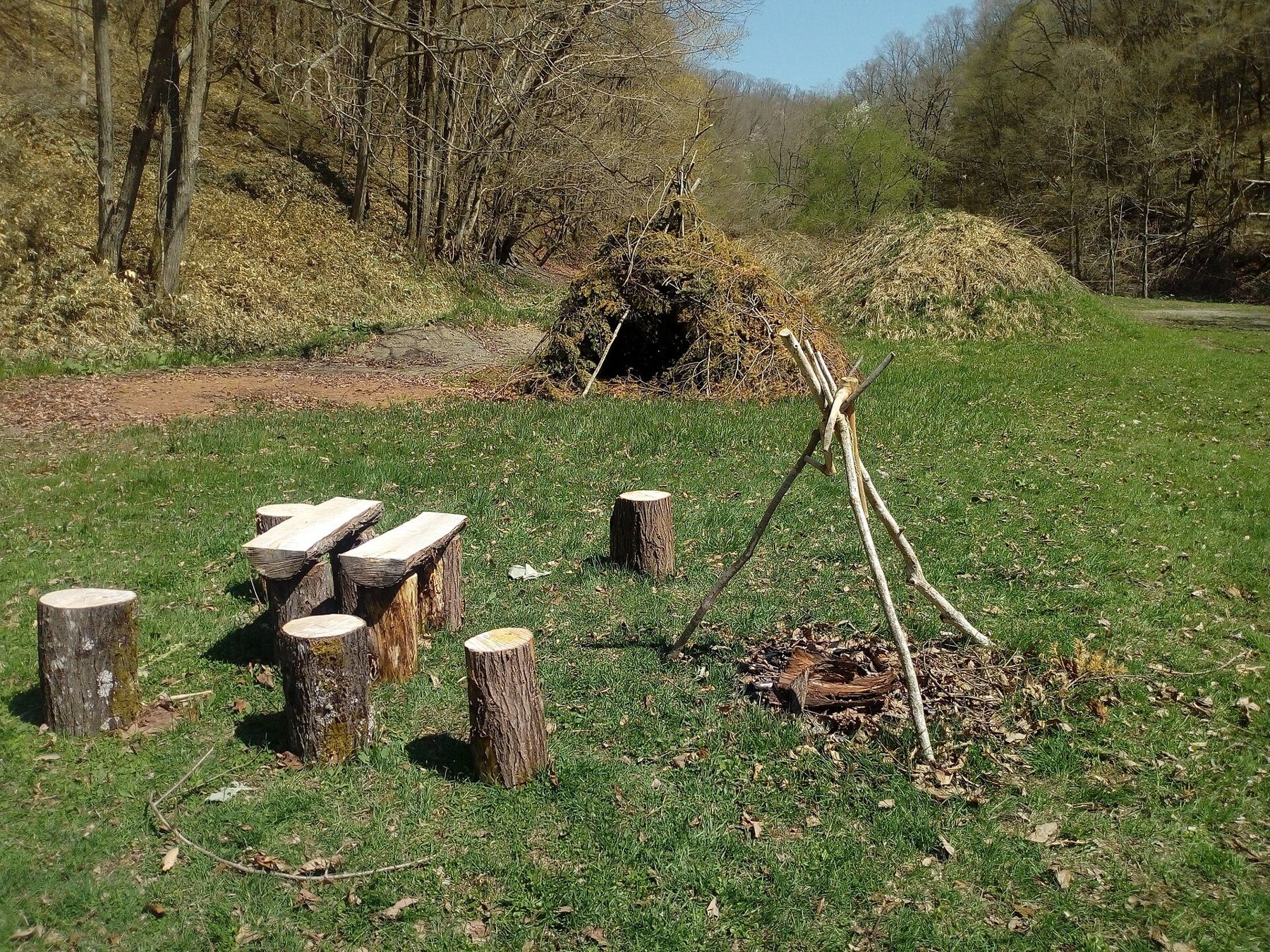
- Best months
- Weekdays from May to October
- Getting there
- Arrive within the posted check-in window
- Pack
- Booking details, cash, headlamp, quiet voices after dark
Before you go
- Book weeks ahead for Golden Week, Obon and autumn weekends
- Note the check-in window and the night gate time
- Carry a short written note in Japanese for reception
- Use a fire stand, never the bare ground
- Lower voices and lights once quiet hours begin
- Leave the pitch cleaner than you found it
A Japanese campground feels relaxed once you are settled in, but getting there runs to a schedule. Bookings open on set dates, reception keeps fixed hours, gates close at night and quiet hours start on time. None of it is hard, and knowing the pattern in advance saves a lot of awkward moments at the reception window.
Reserving ahead
Most popular campgrounds take reservations, and many open them a fixed period in advance, often a month or a few months ahead. Some take bookings by phone only, some through their own website, some through larger booking platforms. Small municipal grounds may take no bookings at all and work on a first-come basis, or ask you to apply at the town office.
Demand is uneven. Weekdays outside school holidays are easy. Saturdays from spring to autumn are busy. The peak periods are Golden Week at the turn of April and May, the summer school holidays, the Obon week in mid-August and the koyo (autumn leaves) weekends in October and November. Popular lakeside and highland grounds can fill on the day bookings open for those dates. If you have the choice, go midweek.
When you book, check what the price covers. Fees may be charged per pitch, per person, per car and per tent, sometimes all four. Cancellation rules are usually strict close to the date, and many grounds now charge a fee for late cancellations. Rules and windows change from year to year, so read the current booking page carefully.
Weather is the other thing to plan for. Some campgrounds waive or reduce the cancellation fee when a typhoon or heavy rain warning is issued for the area, and some close the site themselves in that case; others make no exception. Ask how they handle it when you book, especially for trips between June and October. If you are booking a cabin or a rented tent set, confirm what is included and whether bedding, cooking gear or towels cost extra. A short message in simple English, or in Japanese if you can manage it, is usually answered within a day or two.
Arriving and checking in
Check-in usually runs from early afternoon to late afternoon, and check-out is usually mid to late morning. Some campgrounds offer early arrival or late departure for an extra fee. If you will miss the check-in window because of a delayed train or traffic, phone ahead. Arriving after reception closes without warning can mean a locked gate.
At reception you will fill in a short form with your name, address, phone number and car registration, pay, and receive a rules sheet, a pitch number, rubbish bags and sometimes a tag to hang on your tent or dashboard. If your Japanese is limited, a short note with your booking name, date and number of people helps a great deal. Staff at rural grounds may speak little English, but they have seen plenty of foreign campers, and a printed note and a smile work well.
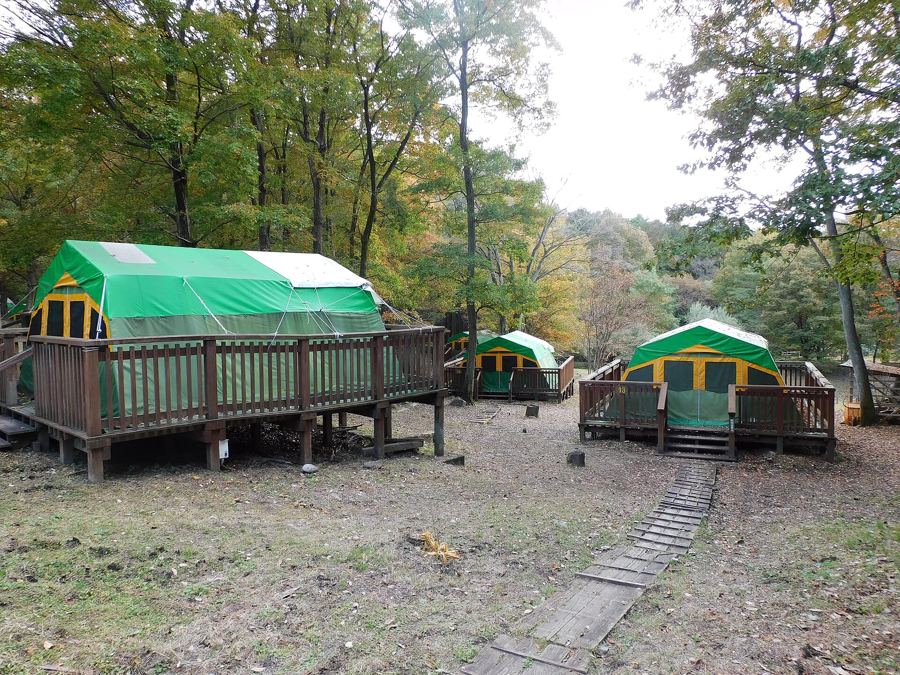 another page in the bookAuto-camp grounds, free sites and the rules on where you can pitch
Ask about three things before you leave the window: when the gate closes for the night, where ash and rubbish go, and when quiet hours begin. Those three answers cover most of the rules you are likely to break by accident.
Gates and cars at night
Many campgrounds close the vehicle gate at night, often in the evening, and open it again in the morning. Within those hours you cannot drive in or out, except in an emergency. Plan supper shopping and onsen trips around it. At some grounds you can walk in and out freely, while at others the whole site is locked. Engines left idling for heat or air conditioning are frowned upon everywhere, and are banned at many grounds during quiet hours.
Quiet hours and being a good neighbour
Quiet hours are the rule that matters most. Most campgrounds set them from late evening, often somewhere around nine or ten at night, until early morning. During that time conversations drop to a murmur, music goes off, car doors are closed gently, and bright lanterns are turned down or pointed at your own table. Many Japanese campers go to bed early and rise at dawn, so the morning is lively and the night is very still.
Sound carries in a quiet valley. A group chatting by a fire at normal volume can be heard across the field. Children running between pitches, lanterns shining into neighbouring tents, and cutting through someone else's plot as a shortcut are the commonest complaints. Keep to the paths, keep your gear inside your plot, and greet your neighbours when you arrive; a simple konnichiwa goes a long way.
Fires, generators and lights
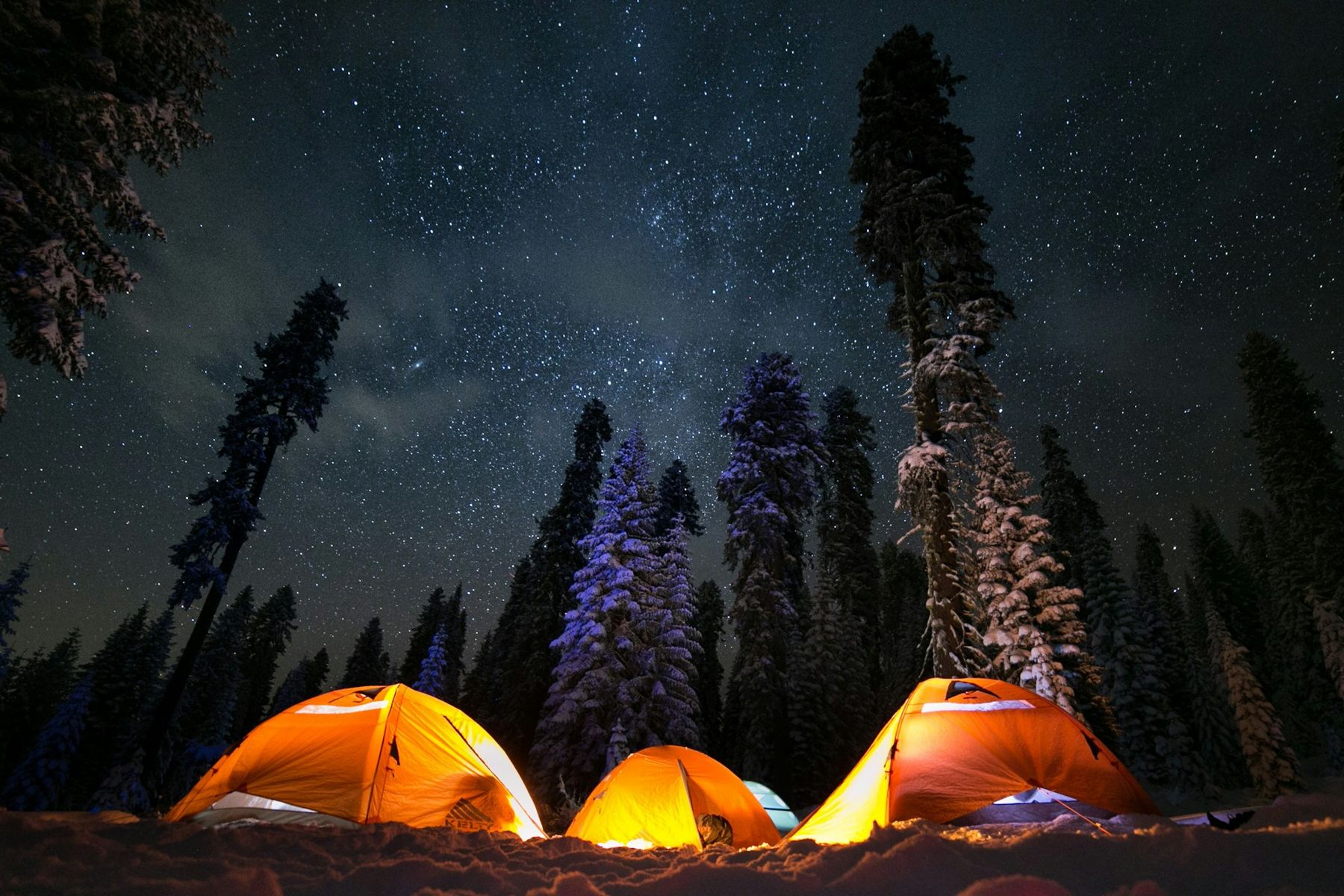
Open fires on the bare ground are banned at almost all campgrounds. Use a fire stand, with a fireproof sheet underneath if the ground is grass. Keep the fire small and attended, and let it burn down well before you sleep. Douse embers with water rather than leaving them to smoulder, and put cold ash in the ash bin. Wind can carry sparks onto nylon tents nearby, so on gusty evenings it is kinder to skip the fire.
Generators are banned at most grounds. Electrical pitches exist for those who need power. Strong LED lanterns are useful, but a warm, low light is easier on everyone after dark. The same goes for headlamps: point them down when you talk to someone.
Leaving well
On the last morning, pack up inside the check-out time and leave the pitch as you found it, without tent-peg holes full of rubbish or scorched patches of grass. Sort your rubbish by the campground's rules, or take it home if the campground asks you to; the guide to sorting rubbish explains the usual categories. Return any tags or keys at reception and say thank you.
Plan the rest of the day with that early check-out in mind. Many campers stop at a day-use hot spring on the way home, and the guide to the onsen after the tent covers the etiquette. Check-in times, gate times and quiet hours vary by campground and season, so always read the rules for the place you have booked.