Tochigi Prefecture
Nasu Highlands, the campgrounds north of Tokyo
Forest auto-camp sites on the volcanic slopes of Mount Nasu, old hot spring villages below, and a shinkansen that gets you there from Tokyo before lunch.
- Best months
- Late May to October
- Getting there
- Shinkansen to Nasushiobara, then bus or car
- Pack
- Bear bell, warm layer, towel for the onsen
Why Nasu suits a first trip
Nasu is where a lot of people in the Tokyo area go camping for the first time, and for good reasons. The Tohoku Shinkansen reaches Nasushiobara Station in a little over an hour on the fastest trains, the Tohoku Expressway runs right past the foot of the highlands, and the campgrounds themselves are set up to make things easy. You can pitch a tent next to your car, rent a cabin if the forecast turns, and drive ten minutes to a hot spring when the evening gets cold.
The area people call Nasu Kogen, the Nasu Highlands, is the long, gentle apron of forest that spreads south and east from the Nasu volcanoes in the north of Tochigi Prefecture. Much of the upper ground lies inside Nikko National Park. Roads climb from farmland through mixed woods of oak, maple and pine, and the higher you go, the cooler the air. On a July afternoon when Tokyo is close to body temperature, the upper slopes can feel like a different season, and nights in late spring and early autumn are cold enough that a proper sleeping bag matters.
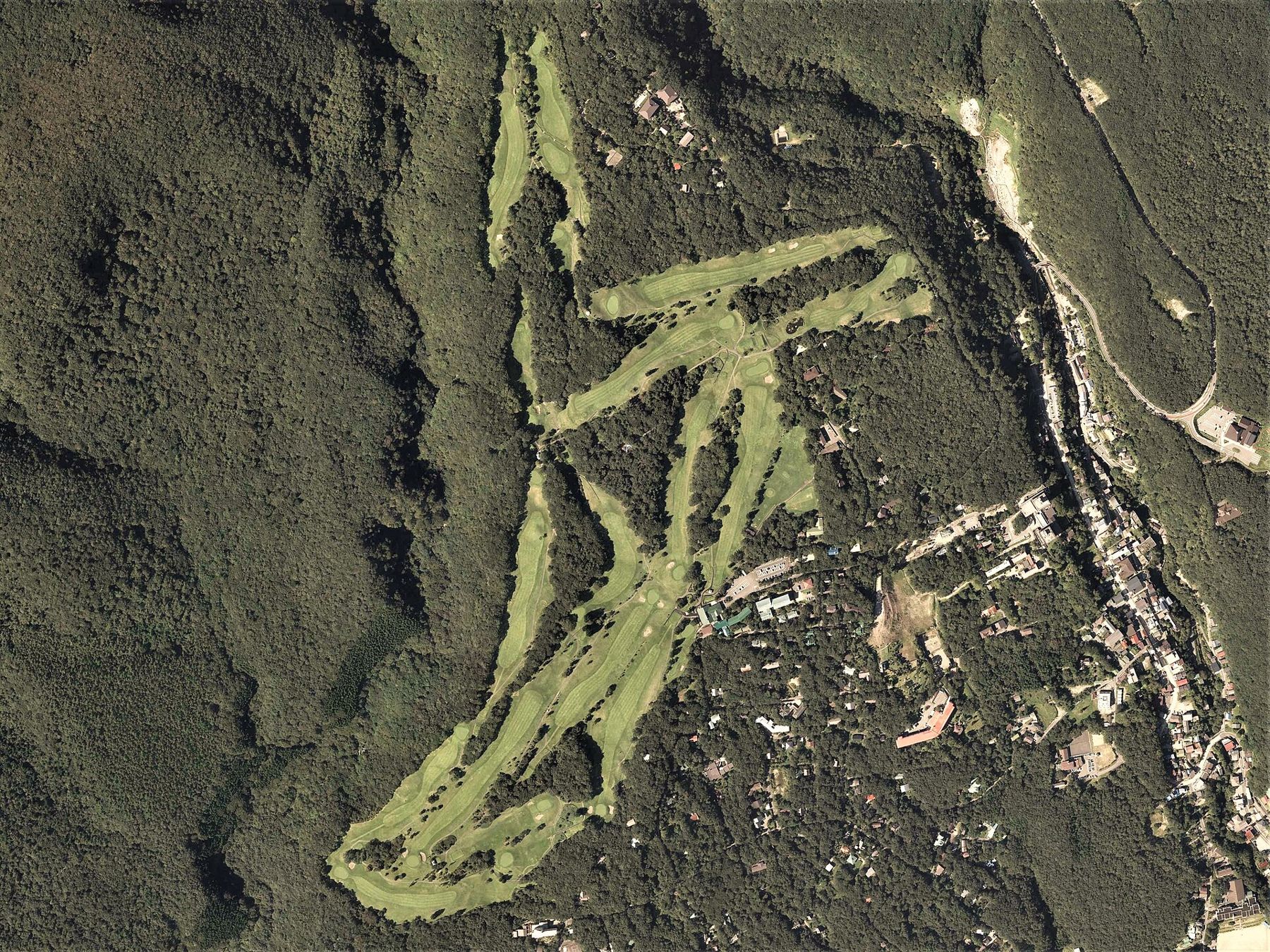
The campgrounds here are mostly scattered through the trees rather than gathered in one place. Many are auto-camp grounds, where each pitch has room for a car, and the bigger ones add cabins, sites with power hook-ups, coin showers and small shops for firewood and ice. Some are quiet and wooded, some are built around families with children, and a few welcome dogs. None of them is the only choice, so it pays to look at several before you book.
Mount Nasu and the ropeway
Above the highlands stands Mount Nasu, a group of volcanic peaks whose active cone, Chausudake, reaches 1,915 metres. Steam still rises from vents on its upper slopes, and the bare grey summit area looks nothing like the green forest a few kilometres below. On clear days you can see the cone from almost anywhere in the highlands, and it is the easiest way to orient yourself.
A ropeway climbs from the end of the mountain road to a station high on the cone, and from there a short, rocky walk takes you toward the summit. The ropeway runs from spring to autumn and stops for winter; it also stops in strong wind, which is common up there. Check the operating dates and the day's status before you drive up. Volcano alert levels are posted locally, and if access is restricted, follow the restriction.
The mountain weather changes much faster than the weather at your tent. Bring a wind shell, a warm layer and water even for a short outing, and turn back if cloud comes down over the ridge. Walking trails continue along the ridge to the other peaks of the range, but these are proper mountain routes with exposed sections, not strolls from the car park.
The hot spring villages below
Nasu has been a spa area for centuries. Nasu Yumoto, the oldest of its onsen villages, sits in a narrow valley below the mountain road, with steam drifting out of the hillside and a smell of sulphur in the air. Day-use baths are easy to find around the highlands, which is one of the pleasures of camping here: after a day on the trails, you can soak, then drive back to the tent in clean clothes. Read up on bathing etiquette before your first visit, and time the bath so you are back before quiet hours begin.
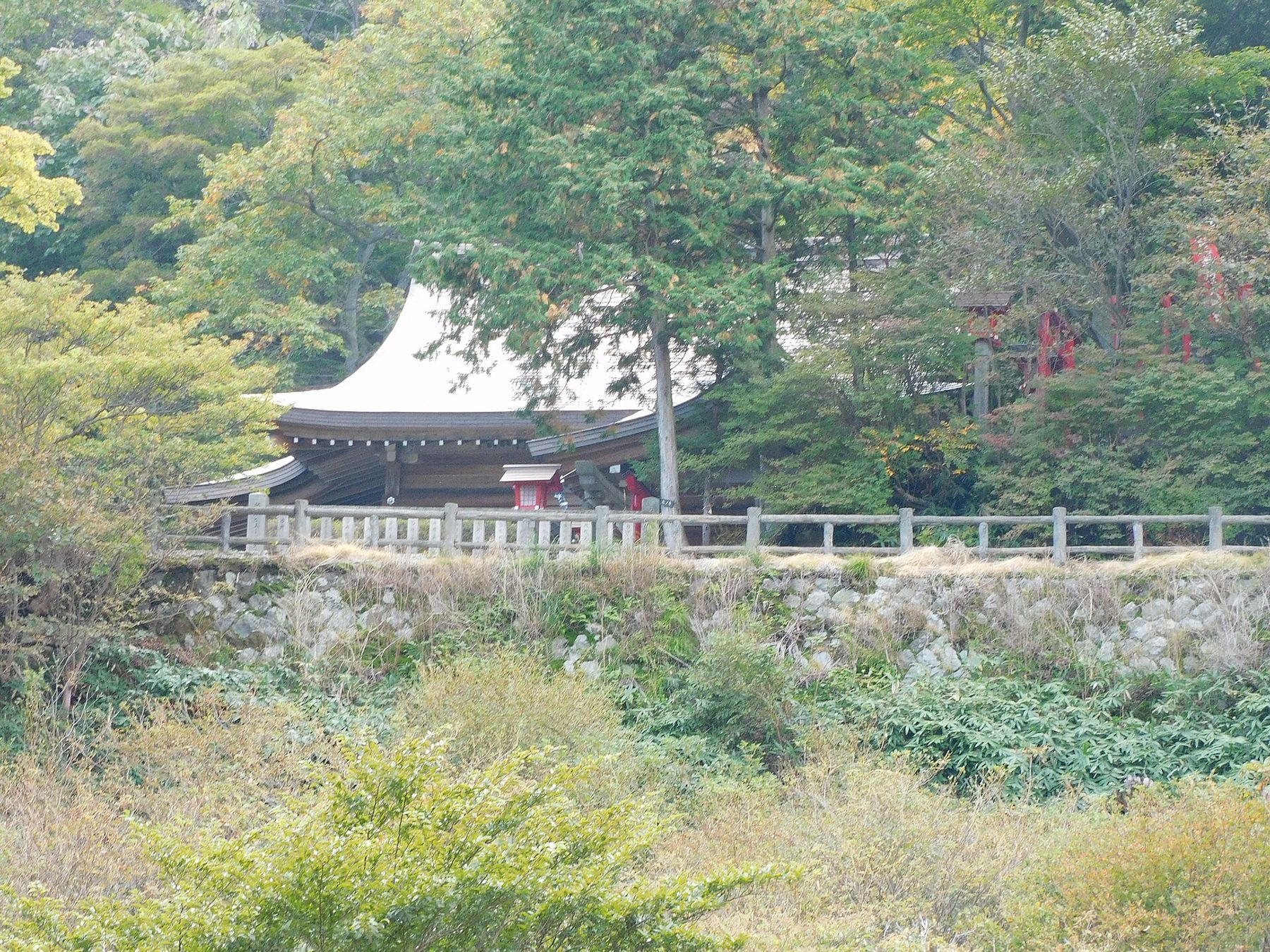
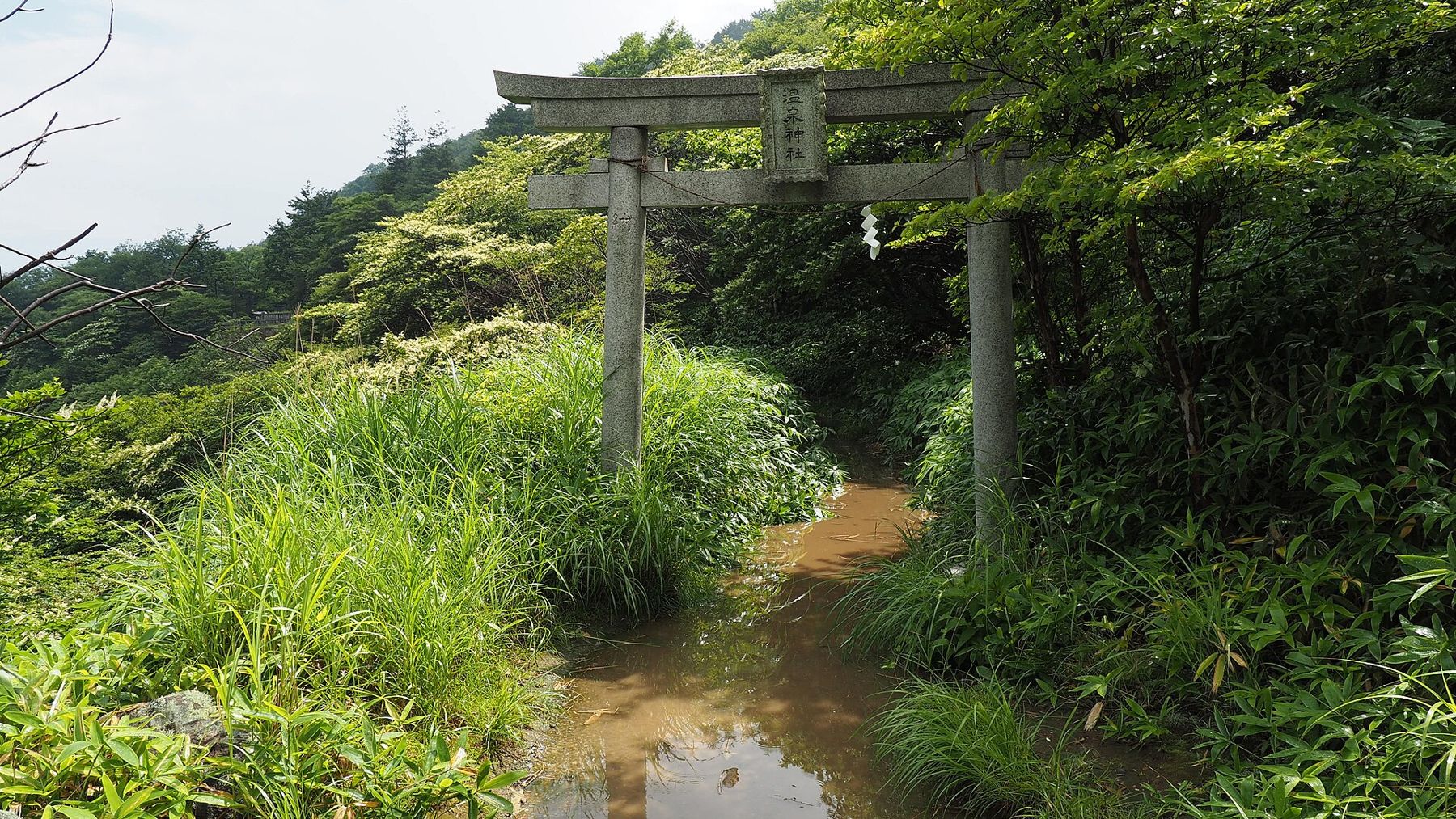
Just above Yumoto is Sessho-seki, the "killing stone", a boulder in a field of volcanic rock where gases once killed birds and small animals. Legend ties it to a nine-tailed fox spirit. The stone split in two in 2022, which drew a lot of attention in Japan. Next to the stone field, Nasu Onsen Shrine has stood for many centuries, and a quiet path leads up through the trees to its halls. The area is free to walk, and early morning, before the tour buses, is the calm time to go.
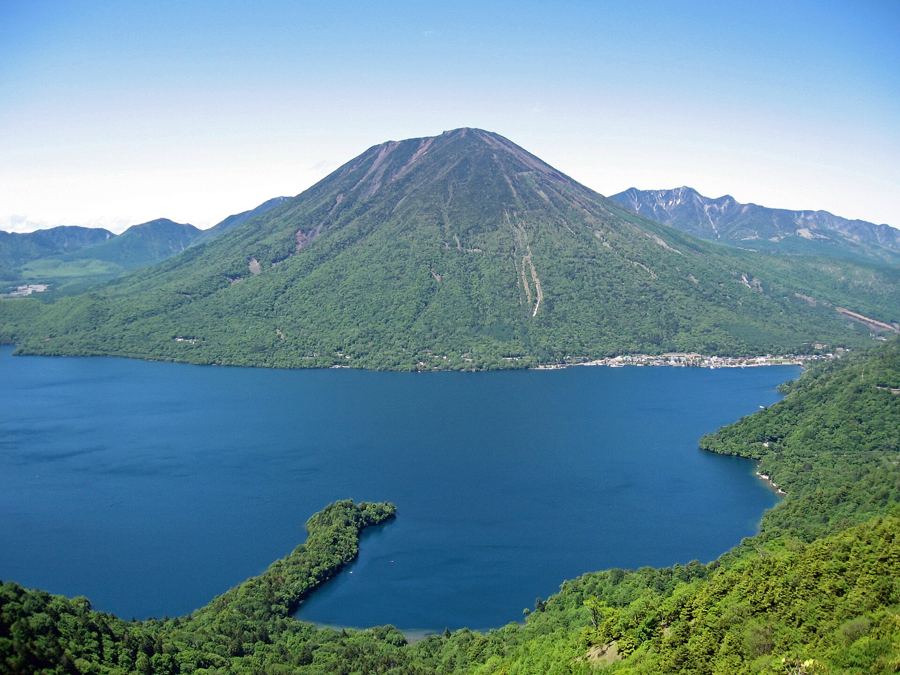 another page in the bookNikko's shrines and the Senjogahara plateau
How the campgrounds work here
Most Nasu campgrounds follow the same broad pattern, and knowing it saves confusion at the gate. You book ahead online or by phone, arrive in a set check-in window in the afternoon, and get a map and a short talk about the rules. Weekends from May to October fill early, and Golden Week in early May and the Obon holidays in mid August fill earliest of all. Fees, booking windows and opening seasons differ between grounds and change from year to year, so check each one directly.
The rules are worth reading closely. Quiet hours usually start in the evening and run until morning, generators are often banned or limited, and fires are allowed only on a raised fire stand, never on the ground. Our guide to booking, check-in and quiet hours covers this in more detail. Rubbish rules also vary: some grounds take sorted rubbish, others ask you to carry everything home, so learn the sorting system before you shop for food.
Wildlife is part of the setting. Asian black bears live in the forests of Nasu, as they do across much of Honshu. Encounters are rare, but keep food and rubbish in your car or a closed container at night, carry a bell on forest trails, and follow any warning posted at the campground. Ticks are common in long grass from spring to autumn, so check your legs after walks.
Fireflies, leaves and snow
The camping year in Nasu starts in earnest in late April, when the last snow has gone from the lower slopes and the trees are still bare. By late May the forest is fully green. The rainy season, tsuyu, usually arrives in June and lasts into July, bringing grey days and damp tents but also the best of the early summer wildlife.
Early summer is when fireflies appear along the small streams of the highlands and the farm valleys below. Their timing depends on altitude and the weather, so ask locally which week is likely. When you go to watch them, turn off your torch, keep your voice down and stay on paths. Fireflies need dark, quiet water, and a lot of people with phones can spoil the evening for everyone.
On a July afternoon when Tokyo is close to body temperature, the upper slopes can feel like a different season
Midsummer is the busiest time, and the cool air is the main reason. Autumn is the quieter favourite. Koyo, the autumn leaves, start on the upper slopes of the mountain in early October and work their way down through the forest over the following weeks, with nights near freezing by late in the month. Winter brings snow to the highlands. Many campgrounds close, a few stay open for winter camping, and the mountain road above Yumoto can close in bad weather.
Getting there and getting around
A car makes Nasu much easier. The campgrounds are spread out, and buses cover only the main roads. If you drive, leave the Tohoku Expressway at the Nasu exit and follow the main road up toward the mountain. On holiday weekends this road can slow to a crawl in the late morning, so arrive early or late.
Without a car, take the shinkansen to Nasushiobara or a local train to Kuroiso, then a bus up into the highlands toward Yumoto. Buses are not frequent, and timetables change with the season, so check them before you set off and plan around the last bus down. A taxi from the station covers the final stretch to most campgrounds. Many campgrounds rent tents and stoves, which means you can travel light.
For a walk that needs no car at all once you are there, look for Nasu Heisei-no-Mori, a forest that was once part of the imperial villa grounds and opened to the public in 2011. Trails wind through old beech and oak woods along clear streams, and part of the forest can be entered only on a guided walk. It is a good, gentle way to spend a morning before heading back to camp.