Shizuoka Prefecture
The Izu Peninsula's coast camping
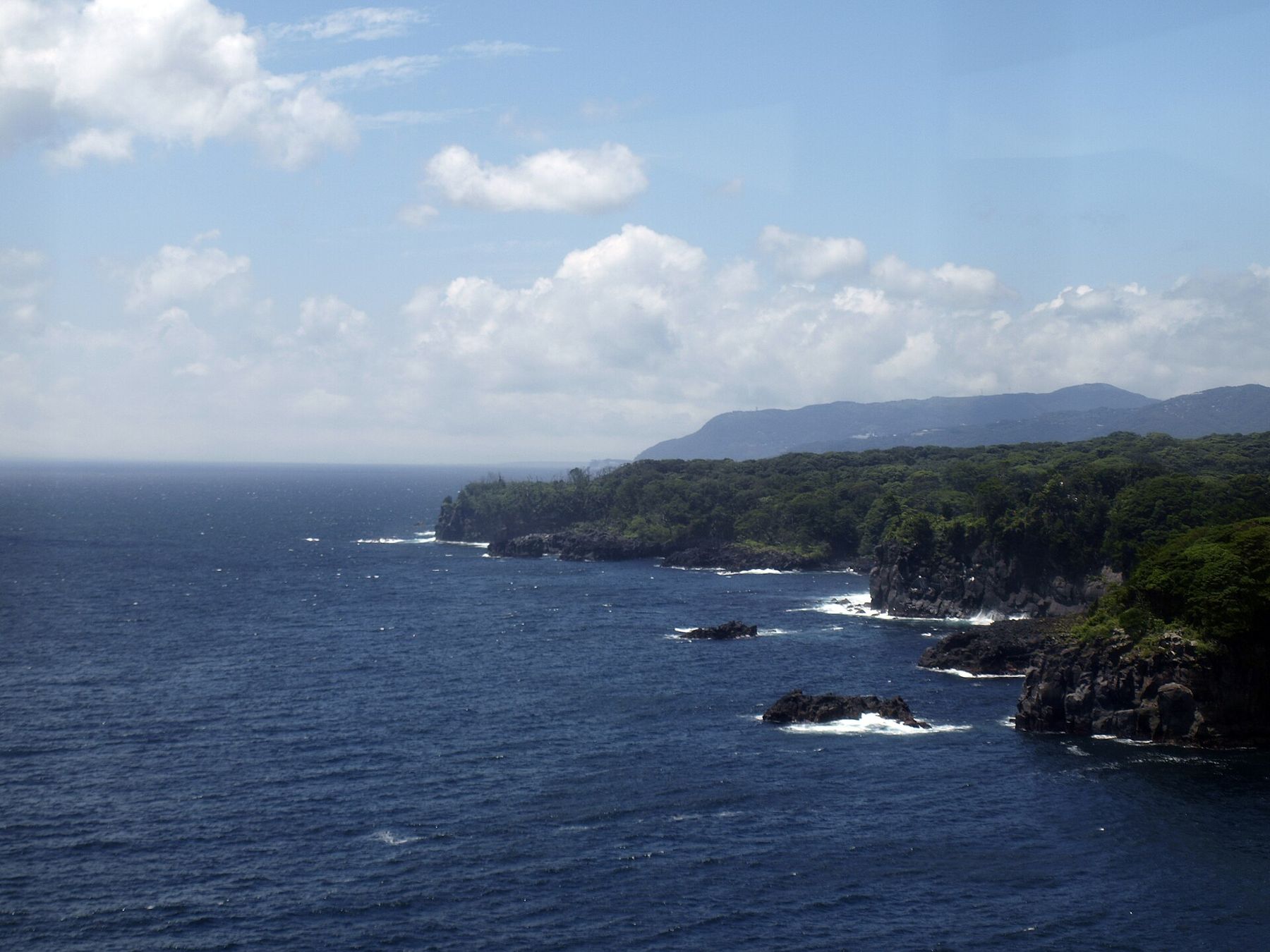
Lava cliffs, clear coves and a hot spring in almost every town. Izu is the seaside camping trip from Tokyo, best taken outside the August rush.
- Best months
- May, June, September, October
- Getting there
- Limited express from Tokyo along the east coast
- Pack
- Reef shoes, sun hat, long pegs, swimsuit
A peninsula of volcanoes and coves
The Izu Peninsula hangs south from the main island of Honshu into the Pacific, southwest of Tokyo, in Shizuoka Prefecture. It is volcanic country from end to end. The peninsula started out as a group of undersea volcanoes that drifted north on the Philippine Sea Plate and collided with Honshu, and its coast is a record of that history: lava cliffs, sea stacks, small sandy coves between rocky points, and hot springs welling up in almost every town. Parts of the coast lie inside Fuji-Hakone-Izu National Park, and the whole peninsula is a UNESCO Global Geopark.
For campers, Izu means the sea. Campgrounds sit on bluffs above the water, in pine groves behind beaches and in the hills just inland, and you can spend a few days moving between coves, swimming, snorkelling and soaking in onsen. It is close enough to Tokyo for a long weekend, and the climate is mild for most of the year.
The west coast faces Suruga Bay and feels quieter, with fewer trains and more fishing harbours. Around Dogashima, the sea has cut the soft volcanic rock into arches, caves and small islands, and boats run into the sea caves when the water is calm. Inland, the Amagi mountains form the forested spine of the peninsula, with waterfalls, cedar woods and cooler air than the coast.
The east coast and the Jogasaki lava
The east coast, from Atami down through Ito to Shimoda, is the busier and more developed side, with the railway running along it. The best stretch for walkers is the Jogasaki coast, south of Ito. Here, lava from the eruption of Mount Omuro about 4,000 years ago ran into the sea and cooled into black cliffs, broken into coves and inlets by the waves.
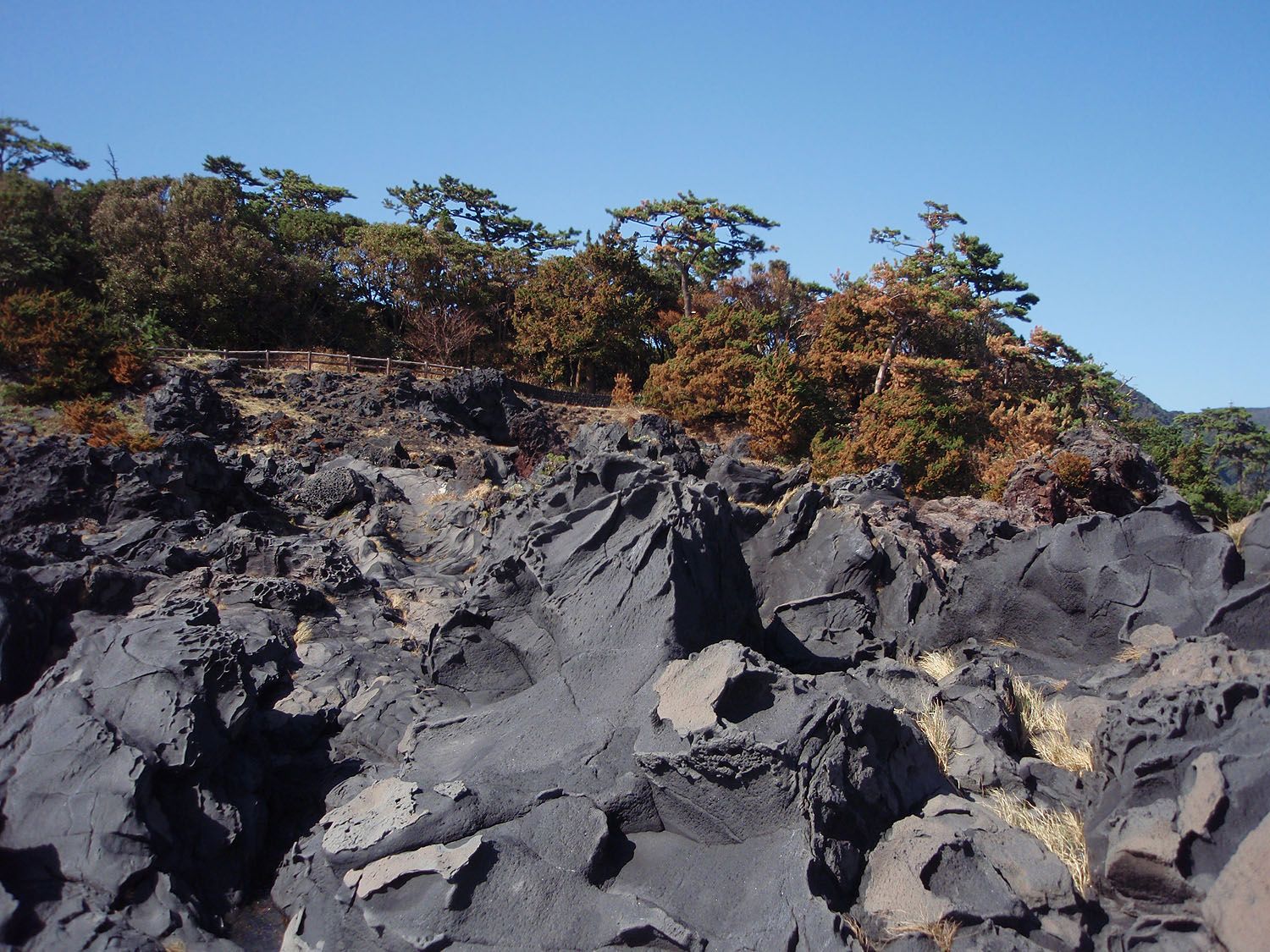
A walking trail follows the clifftops for several kilometres through pine and camellia woods, crossing a suspension bridge over a rocky inlet and passing a small lighthouse. The path is rough in places, with roots and uneven rock, and the cliff edges are unfenced, so wear proper shoes and keep children close. Mount Omuro itself, a neat grassy cone just inland, can be climbed only by chairlift, and walking up its slopes is not allowed.
Further south, the east coast has several of Izu's hot spring towns, including Atagawa and Kawazu, known for early-flowering cherry trees that bloom in February, well before the rest of the country.
Shimoda and the south
Shimoda, near the southern tip, is the end of the railway and the base for the southern coast. The town has a place in Japanese history: it was one of the first ports opened to American ships in 1854, after Commodore Perry's arrival, and the first American consulate in Japan was set up nearby. Today it is a relaxed harbour town with white-sand beaches on either side.
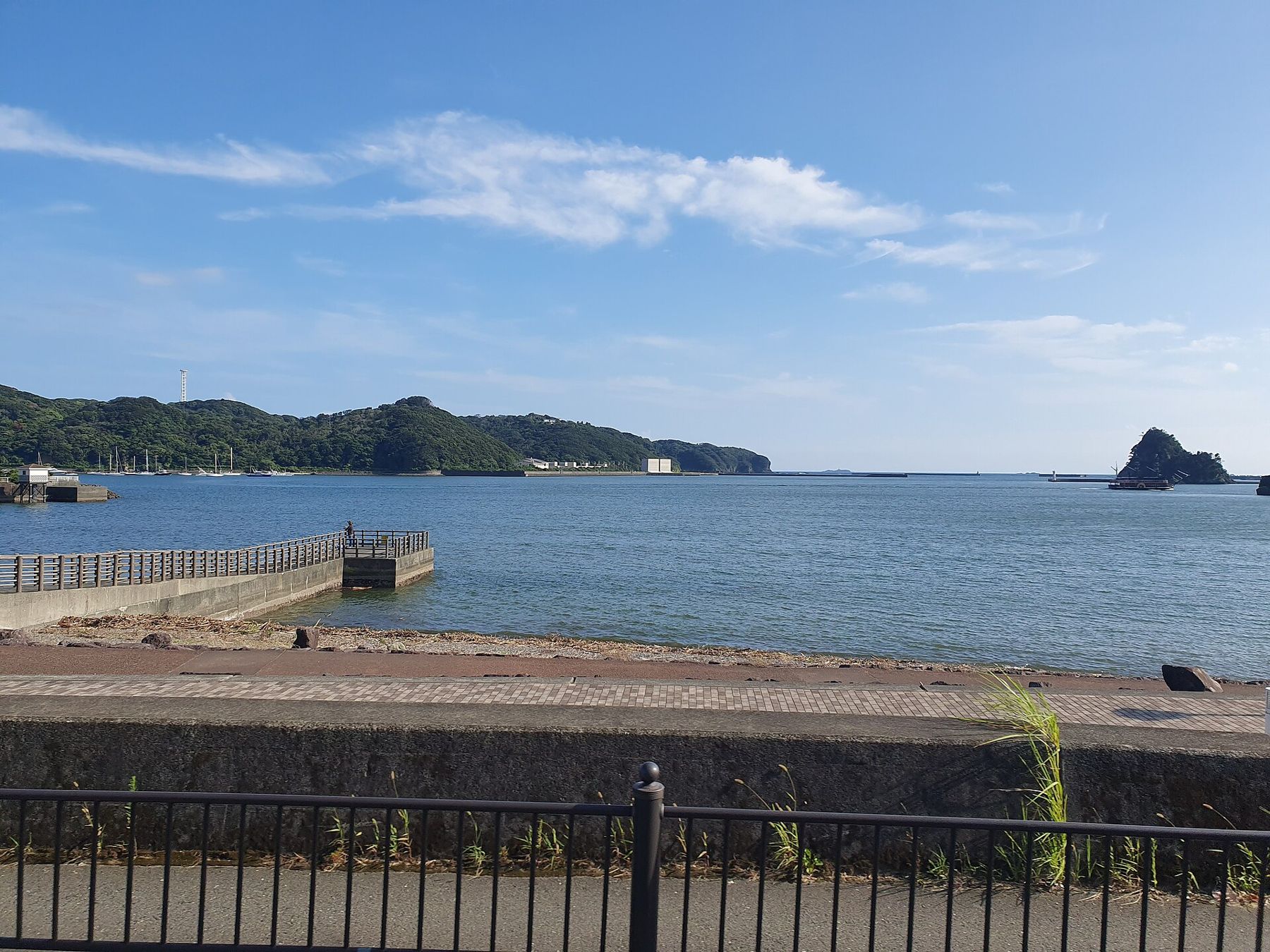
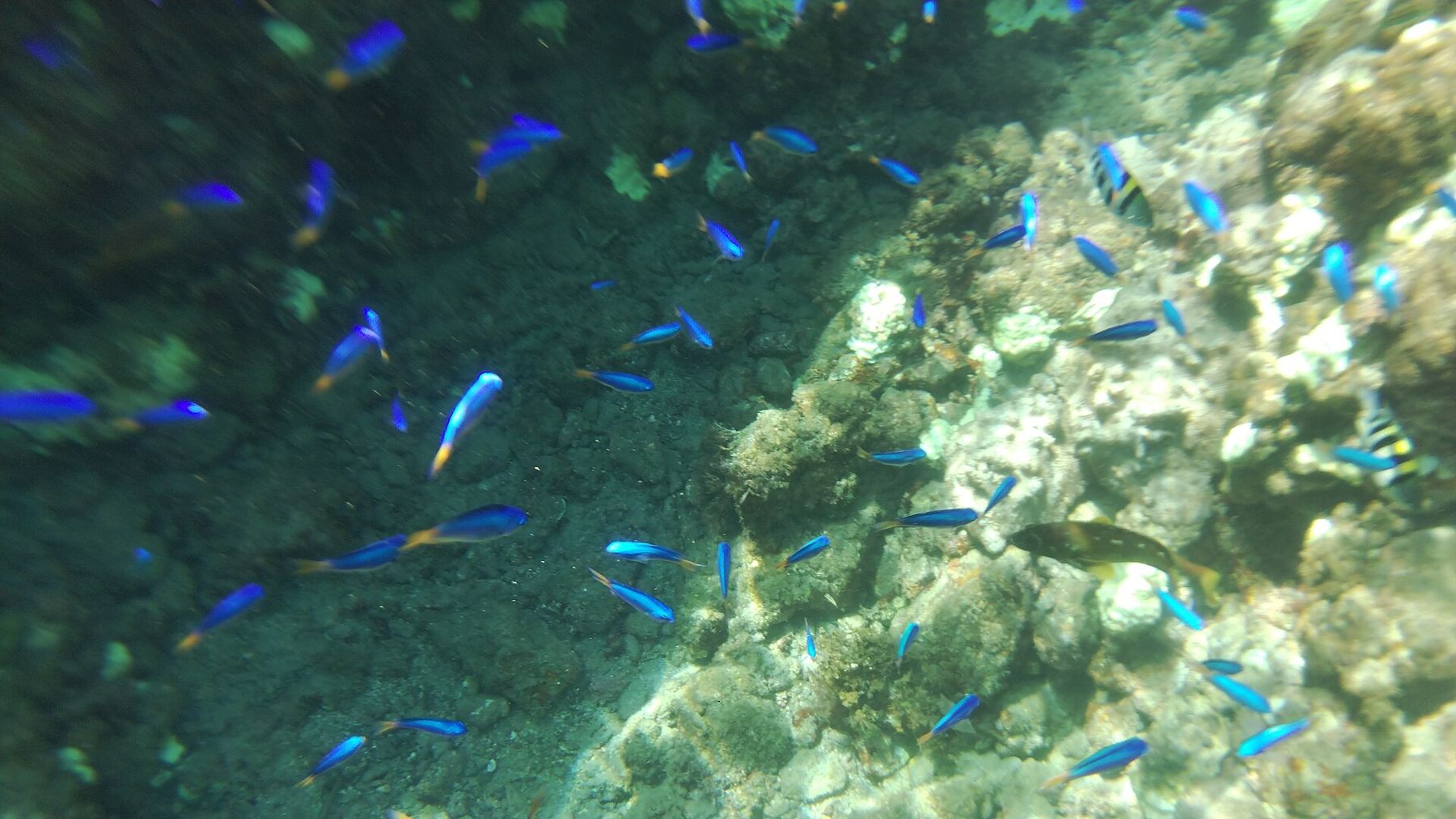
West of Shimoda, the coast of Minami-Izu becomes wilder, with high cliffs, tiny fishing villages and coves you reach by steep paths. Cape Irozaki, the southern tip of the peninsula, has a lighthouse and wide views over the Pacific. Some of the best snorkelling in the Tokyo region is here, in coves where warm currents bring tropical fish in late summer.
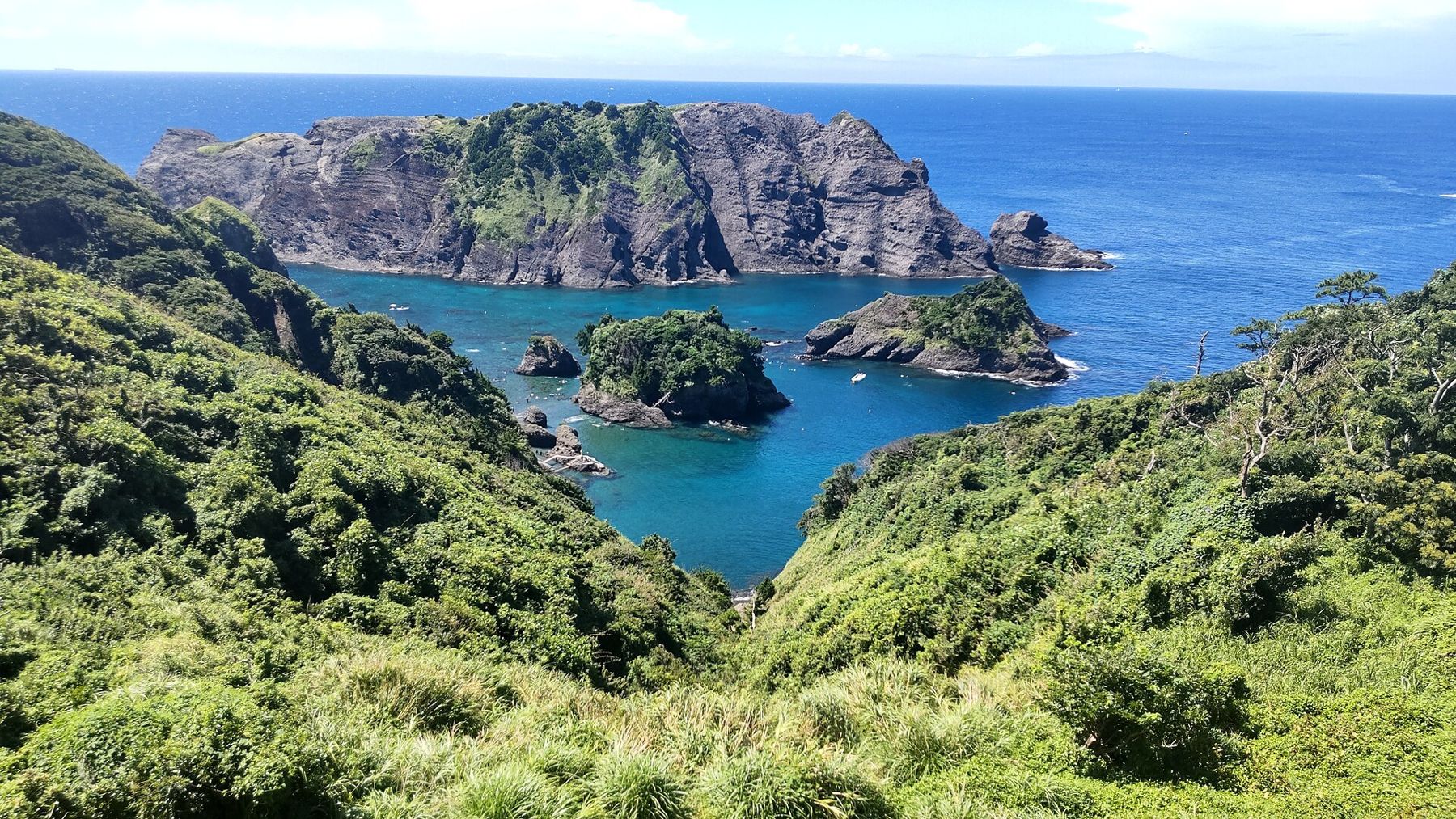
Hirizo Beach, one of these coves, is reached only by a short boat ride in summer, and its water is clear enough to see the bottom from the boat. Access is limited and seasonal, so check the current arrangements before planning a day around it.
 another page in the bookCamping by the Fuji Five Lakes
Beach camping and the rules
Izu has campgrounds of every kind: auto-camp grounds with power and showers, simple pitches in pine groves behind the sand, and grounds on headlands with views out to sea. The ones near the beaches fill fast in summer, and the busiest weeks, the school holidays from late July and the Obon holidays in mid August, are booked far ahead.
Pitching a tent on a beach outside a designated campground is generally not allowed, and many beaches ban tents, fires and barbecues outright, especially in the swimming season. Follow the signs and the local rules. On campgrounds, fires go on raised stands only, quiet hours start in the evening, and rubbish is sorted by local rules. Our guide to rubbish sorting explains how it works.
Coastal ground is often sand or gravel, so bring long pegs and guy your tent well against the sea wind. Shade is scarce on open sites, and a tarp makes a big difference in summer.
Hot springs, heat and typhoons
In Izu you are rarely more than a short drive from a hot spring, and that changes how you camp.
In Izu you are rarely more than a short drive from a hot spring, and that changes how you camp. Atami, Ito, Shuzenji and Shimoda are all onsen towns, and smaller springs are scattered through the hills. Day-use baths are easy to find, and many towns have free foot baths by the station. After a day in salt water, a bath before dinner is the local way to finish. Our guide to the onsen after the tent covers the etiquette.
Summer on the coast is hot and humid, and heatstroke is a real risk on open campgrounds. Drink often, rest in the shade in the middle of the day, and do not leave anyone in a closed car or tent in the sun. Jellyfish appear in the sea from around mid August, and swimming is safest at beaches with lifeguards during the official season.
Typhoons are the other summer concern. They can reach Izu from midsummer into autumn, with September often the most active month. A typhoon brings heavy rain, strong wind and high seas, and campgrounds may close or ask you to leave. Watch the forecast for several days before your trip, cancel if a typhoon is heading your way, and stay off the cliffs and out of the sea in rough weather. The rainy season in June and early July brings long wet spells too, though the coast is usually mild.
Inland, away from the sea, the hot spring town of Shuzenji sits in a narrow river valley in the middle of the peninsula, with an old temple, a bamboo grove and a riverside foot bath. It makes a calm stop on a wet day, and the campgrounds in the hills around it are a cooler choice than the coast in high summer.
When to go and how to get there
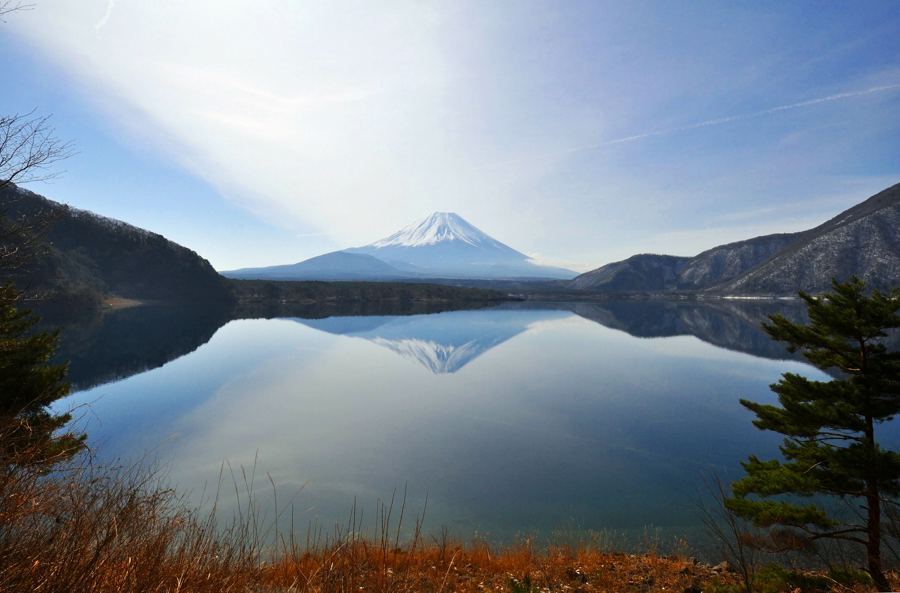
The quieter months are the best for camping. Late May and June bring warm days and fewer people, and September and October, after the typhoon peak, are often settled and still warm enough to swim. Winter is mild by Japanese standards, with clear views of Mount Fuji from the west coast across Suruga Bay, and some campgrounds stay open all year.
From Tokyo, limited express trains run down the east coast to Ito and Shimoda, and the shinkansen reaches Atami and Mishima, where local lines lead into the peninsula. Buses link the towns, but they are infrequent on the west coast and in the hills, so check timetables before you set off. A car gives you the most freedom, though roads along the coast are narrow and slow on summer weekends. With a full kit on public transport, a campground near a station on the east coast is the simplest choice.