Hokkaido Prefecture
Shiretoko, where Hokkaido runs out of road
A wild peninsula at the north-eastern tip of Hokkaido, with brown bears on the beaches, marsh lakes under volcanoes, and strict, sensible rules for everyone who camps there.
- Best months
- June to early October
- Getting there
- Train to Shiretoko-Shari, then bus to Utoro
- Pack
- Bear spray, warm layers, food kept sealed in the car
Shiretoko is a long, narrow peninsula pointing into the Sea of Okhotsk from the north-eastern corner of Hokkaido. Its spine is a chain of volcanic mountains, its coast is cliffs and waterfalls dropping into the sea, and its far end has no road at all. It was listed as a World Natural Heritage site in 2005, and much of it lies within Shiretoko National Park. The name is usually explained as coming from the Ainu for "the end of the earth".
It is also one of the places in Japan where you are most likely to see a brown bear. That shapes everything about camping here: where you sleep, how you store food, which trails you can walk and when. Go with that in mind and Shiretoko is a remarkable place to pitch a tent.
Two coasts: Utoro and Rausu
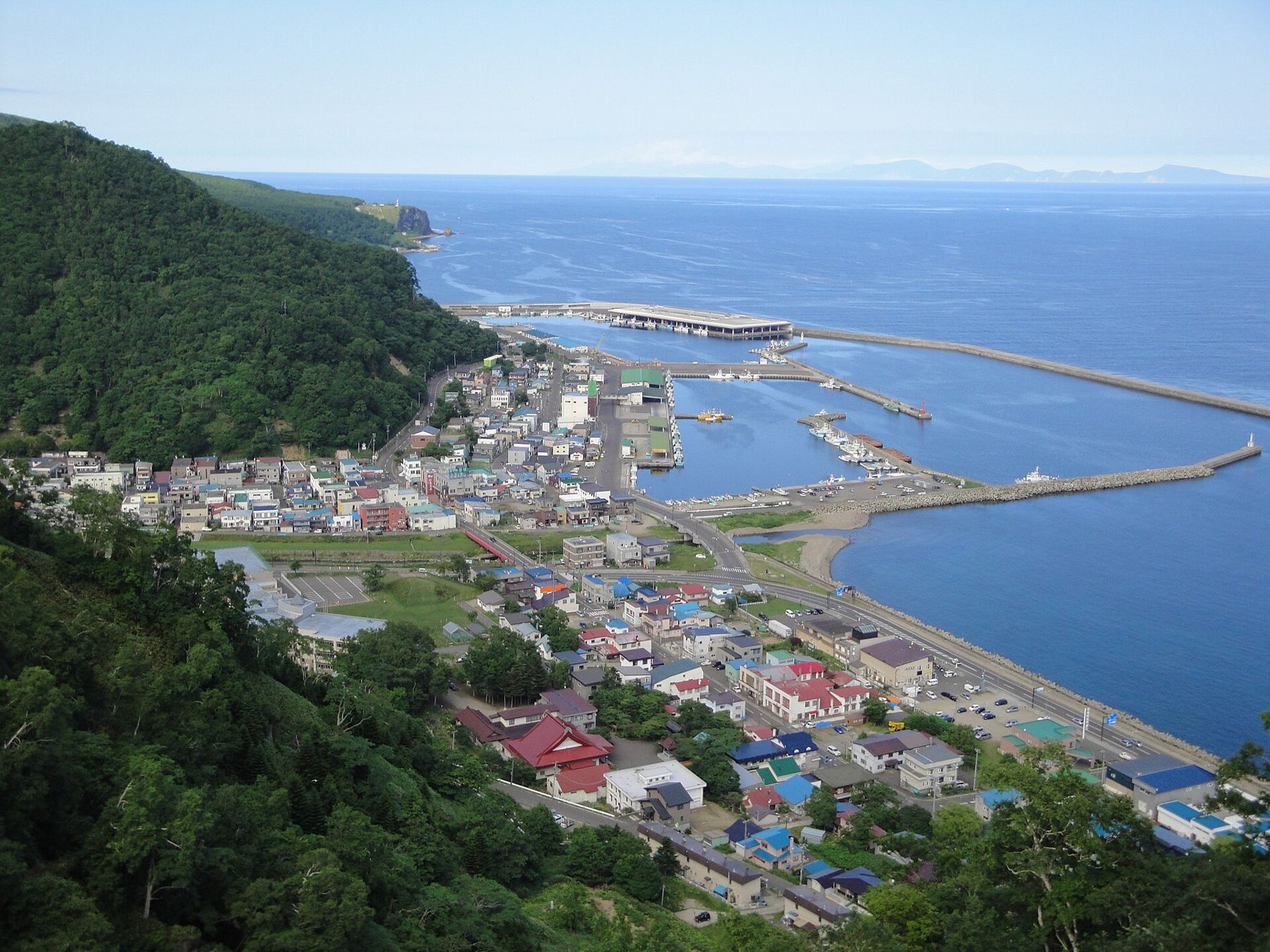
The peninsula has two sides and two small towns. Utoro, on the western, Okhotsk side, is in Shari town and is the main base, with the visitor facilities, the boats along the coast and the road to the Five Lakes. Rausu, on the eastern side, faces the Nemuro Strait and the island of Kunashiri, close enough to see clearly on a fine day. Rausu is a fishing town first, and its harbour is busy with boats; from here, wildlife-watching trips go out in search of whales, dolphins and seabirds.
The Shiretoko Pass road crosses the mountains between the two towns. It is closed in winter and can close at short notice in bad weather, so check its status before planning a crossing. Each side has a campground run by the local town, both simple and practical: tent pitches, toilets, washing-up sinks, and in Rausu a free open-air hot spring close by. Seasons, fees and booking arrangements change, so confirm before you go.
The Shiretoko Five Lakes
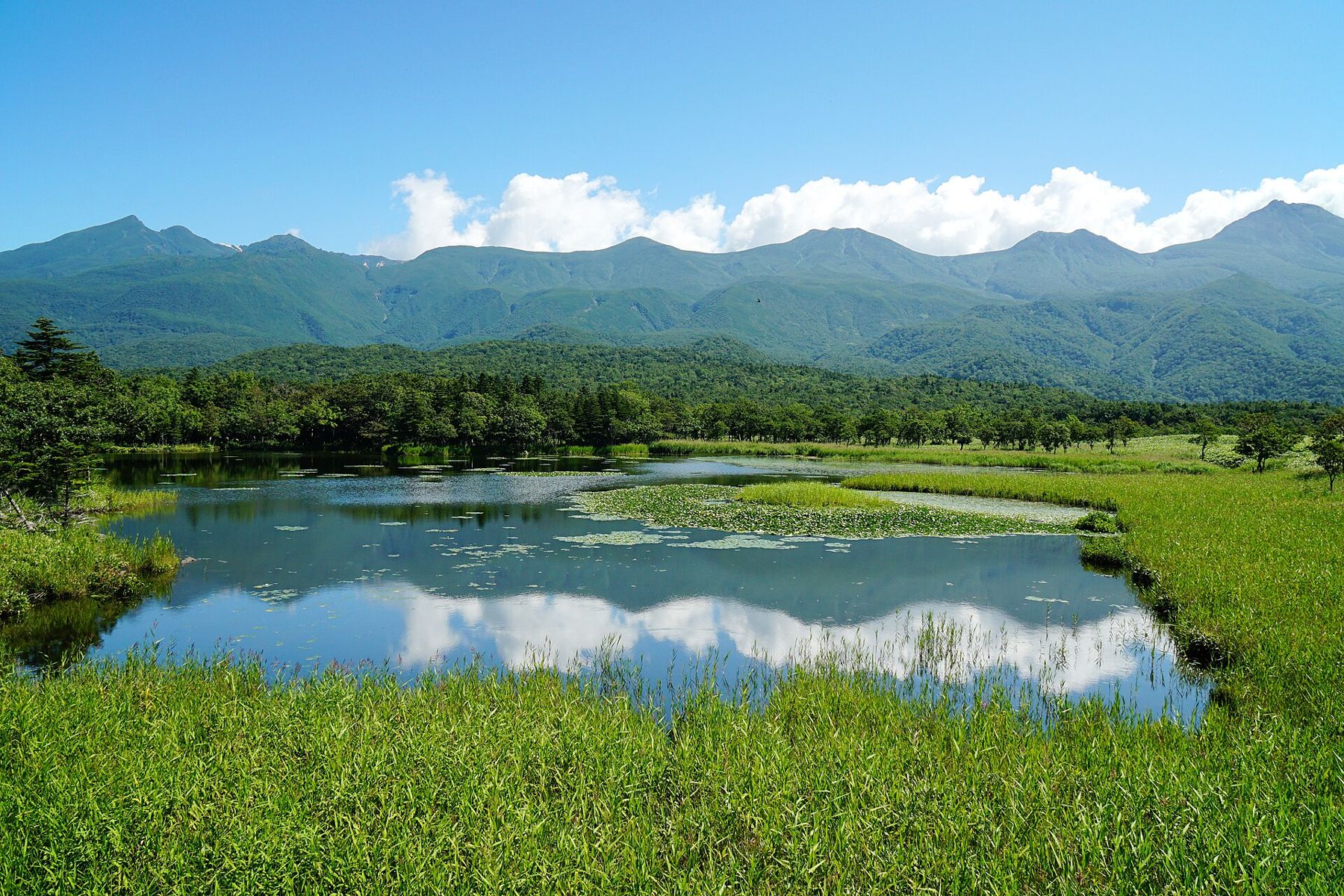
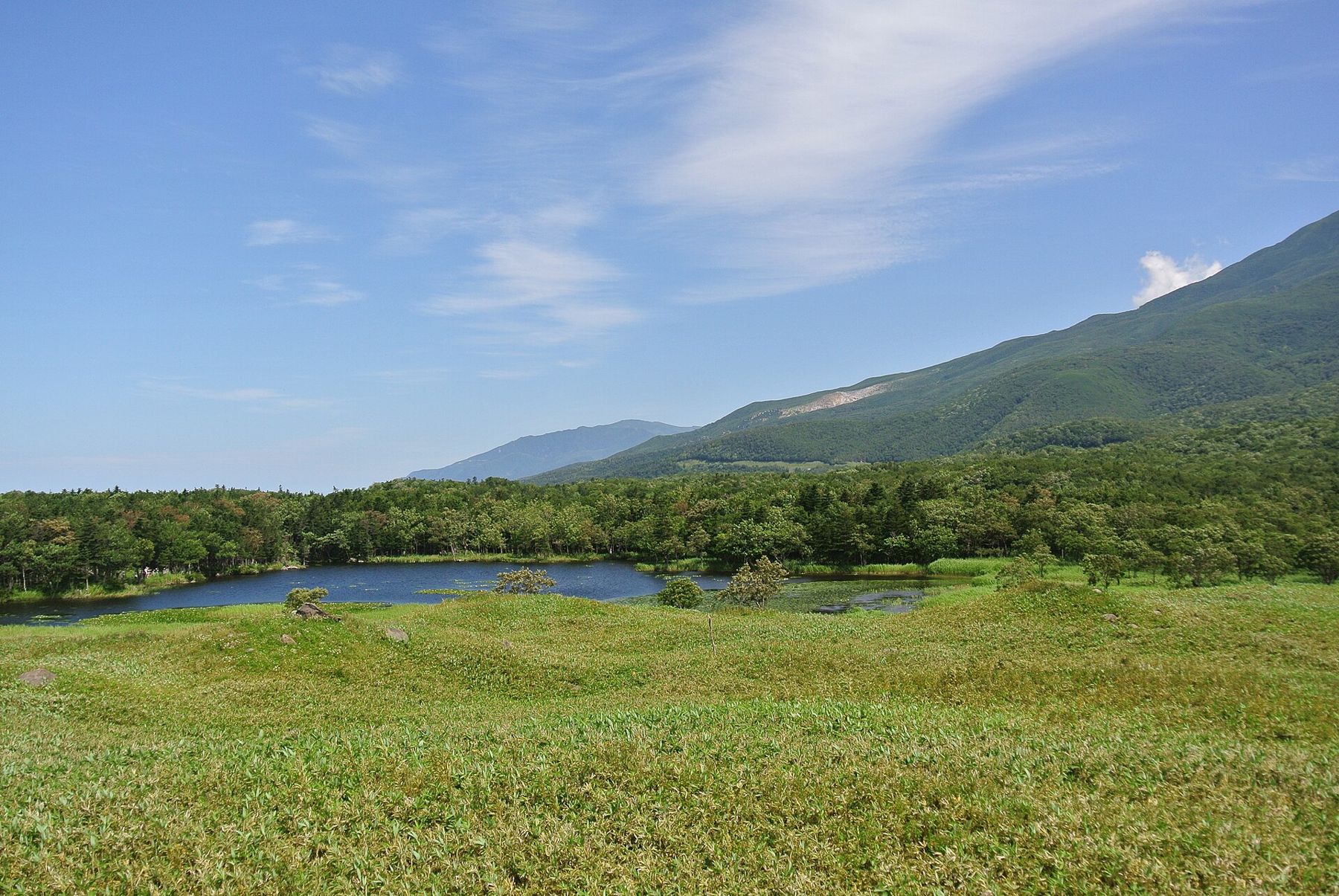
The Shiretoko Five Lakes, Shiretoko Goko, are small marsh lakes in the forest above Utoro, with the peaks of the Shiretoko range standing behind them. There are two ways to see them. An elevated boardwalk, protected by an electric fence against bears, leads across open ground to the first lake and can be walked freely in its open season. The ground-level loop trails that reach all five lakes are more restricted.
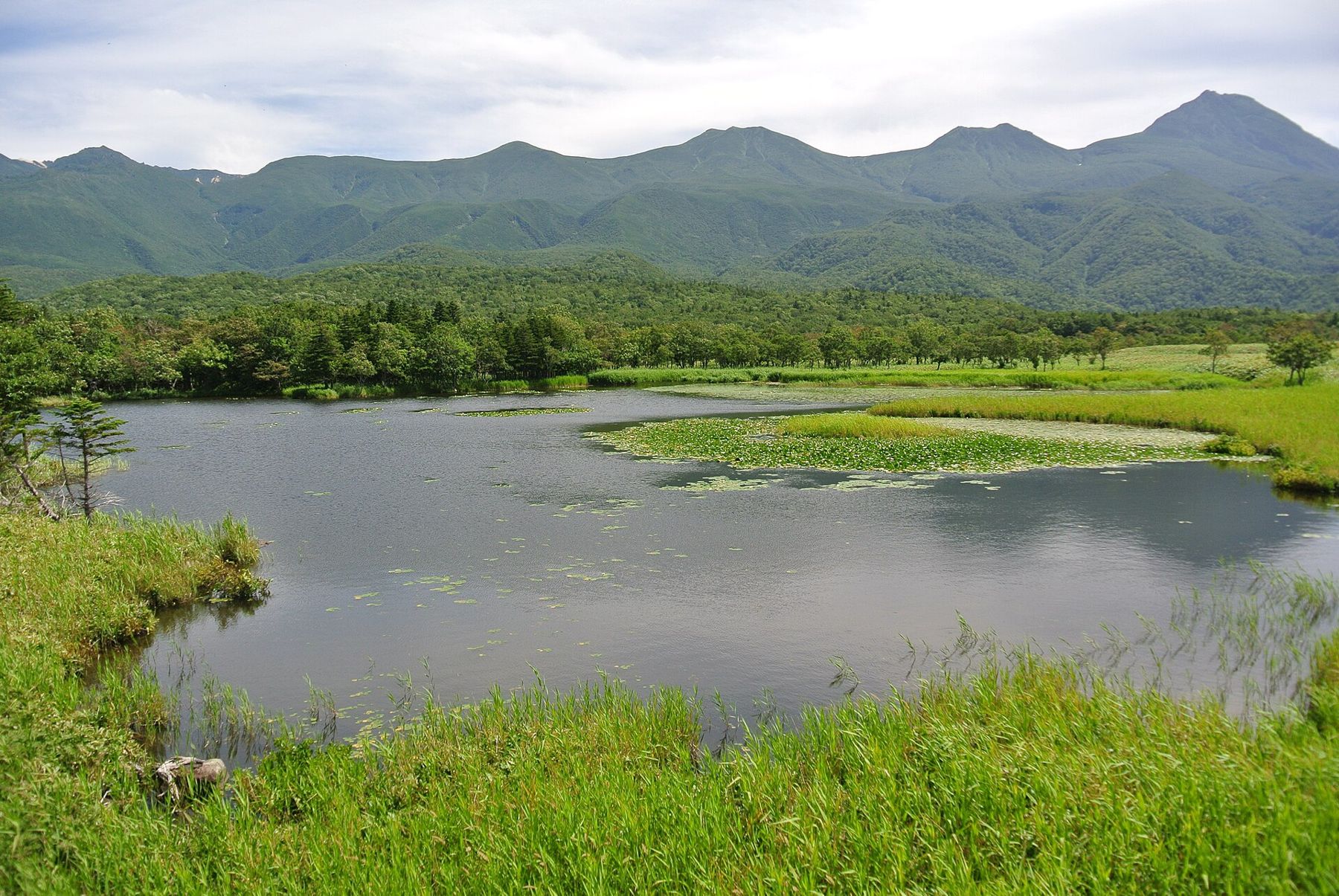
In the period when bears are most active, usually from spring into summer, the ground trails can only be walked with a registered guide. At other times you may walk them yourself after a short lecture on bear safety and a registration at the field house. Trails also close entirely when a bear is active nearby. The details change with the season and with the bears, so check the current arrangements on the day rather than relying on what you read at home.
Bears, foxes and the rules for staying here
Brown bears in Shiretoko live at a high density, and they walk along beaches, cross the road and sometimes come near the towns. The local rule is simple: keep your distance, never feed them, and never give them a reason to link people with food. A bear that learns to take food from people often ends up being shot.
At the campground, keep all food, cooking gear, rubbish and toiletries sealed in a car or in the food lockers where they are provided, never in your tent and never outside overnight. Cook and eat away from where you sleep if the site allows it. In Shiretoko, food left out for ten minutes is food left out for a bear.
In Shiretoko, food left out for ten minutes is food left out for a bear.
Take your rubbish with you unless the campground clearly tells you otherwise.Rangers and local staff patrol the campgrounds in season, and they will speak to anyone who leaves a cooler on a picnic table or a bag of rubbish beside a tent. They are not being fussy. A single meal taken from a careless camper can teach a young bear to come back, and the whole campground may then have to close. Treat every rule as part of keeping the bears wild and the campground open for the next visitor.
If you see a bear from the road, do not stop and get out, and do not slow down traffic to take photographs; stay in your car and move on. On foot, carry a bell, talk, stay in groups, and carry bear spray if you know how to use it. If you meet a bear at close range, do not run; back away slowly while facing it. Read the guide to bear safety before you go, and attend the lecture at the Five Lakes even if you think you know it.
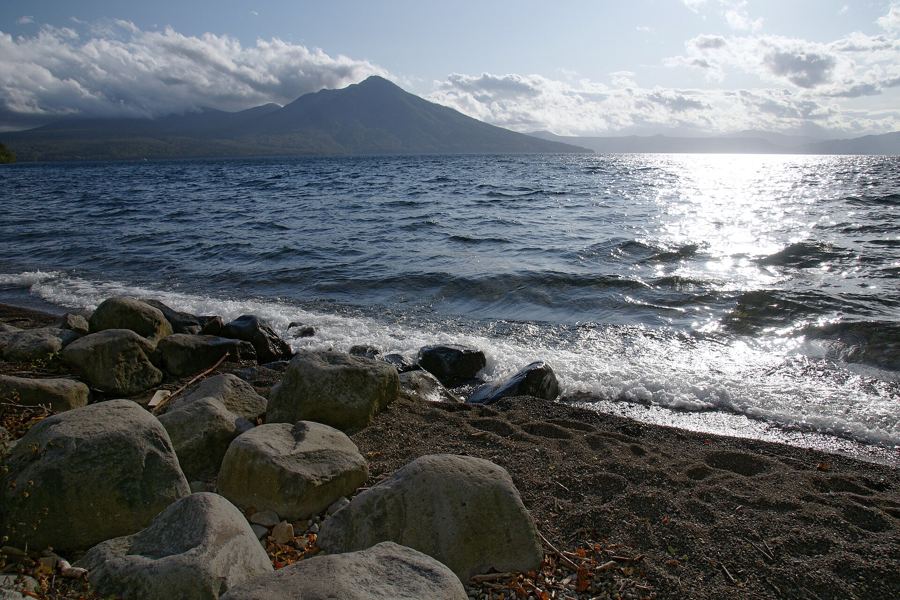 another page in the bookLake Shikotsu, a caldera lake an hour from the airport
Foxes are everywhere and look tame. Do not touch or feed them: Hokkaido foxes can carry a parasite harmful to people. Boil or filter any stream water. Sika deer graze along the road and step out in front of cars at dusk, so drive slowly after dark.
The hot waterfall and the far coast
Beyond the Five Lakes, a gravel road continues along the Utoro side toward the Kamuiwakka Hot Waterfall, a river warmed by a volcanic spring that tumbles over rock ledges. In summer, private cars are usually banned from this road and shuttle buses run instead, and in recent years access to the warm pools has been limited to the lower section of the stream because of rockfalls. Wear shoes that grip on wet rock, expect closures, and check the current situation before you plan the trip.
The tip of the peninsula has no road. Sightseeing boats from Utoro and Rausu follow the coast for views of the cliffs, waterfalls and, often, bears on the beaches. Sea conditions here can change fast, and boats cancel in rough weather. Walking or sea-kayaking to the tip is a serious expedition that needs experience, registration and its own planning, not a day trip from the campground.
Seasons, weather and getting there
The camping season is short: roughly from early summer to early autumn. Summer days are mild and often grey, with sea fog drifting in from the Okhotsk; nights are cool and can be cold. Autumn brings clear air and koyo (autumn leaves) in the forest, usually from early October, along with salmon running up the rivers and bears coming down to feed on them. In winter, drift ice fills the sea off Utoro and the campgrounds close.
The nearest rail station is Shiretoko-Shari, on the JR Senmo Line, with buses from there to Utoro. Flights from Tokyo reach Memanbetsu Airport, near Abashiri, and Nakashibetsu Airport, closer to Rausu, with buses that connect to the area in season. Bus timetables are sparse outside summer, and a rental car is the most practical way to get around. The page on getting to campgrounds without a car covers the alternatives.
Mobile signal is patchy beyond the towns, and petrol stations are few, so plan fuel stops and tell someone your route if you head out for a long walk. Stock up on food and fuel before you reach Utoro or Rausu, keep the tank topped up, and plan quiet evenings. The pleasure of Shiretoko is in the long light over the sea, the sound of the wind in the trees, and the knowledge that you are sharing the place with its bears.