How camping works
Renting gear and reaching campgrounds without a car
You can camp across Japan without a car or a suitcase full of gear. Rent what is bulky, send what is heavy ahead, and let trains and buses do the rest.
- Best months
- Late spring to early autumn
- Getting there
- Train, local bus, then taxi or walk
- Pack
- Small pack, cash, transport card, printed bus times
Before you go
- Rent tents and bedding near the campground where possible
- Never pack stove gas in flight luggage; buy it locally
- Print the bus timetable; rural services may run rarely
- Carry coins and small notes for buses and taxis
- Book a taxi ahead from small rural stations
- Send heavy bags ahead with a luggage forwarding service
Most Japanese campers arrive by car, and many campgrounds are designed around that. Yet plenty of good campgrounds are reachable by train and bus, and Japan makes it easy to rent the gear you would otherwise struggle to carry. With a little planning, you can travel light and still sleep under canvas.
Why rent rather than fly with gear
Flying a tent, sleeping bags, a stove and cookware to Japan adds weight, baggage fees and bulk you then haul through stations. Fuel is the bigger problem. Gas canisters are not allowed in checked or cabin luggage on flights, and liquid fuel bottles must be completely clean and empty. Either way, you will be buying fuel in Japan, so you may as well buy or rent the stove there too.
Japan has a large camping market, and rental options are common. Some campgrounds rent tents, tarps, sleeping bags, lanterns and barbecue sets on site; you reserve them with your pitch and find everything waiting. Separate rental services will deliver a complete set to the campground or to your accommodation and collect it afterwards. Outdoor shops in larger cities sell everything you need if you would rather own it. Prices and stock vary, so book rentals well ahead for summer weekends.
A few things are worth bringing from home: a sleeping bag liner, a headlamp, a well-fitting rain jacket and shoes you know. Gas cartridges, matches, cooking gear and food are all easy to buy close to most campgrounds.
When you rent, check the details. Ask how many people a tent really sleeps, whether sleeping bags are rated for the season you are camping in, and whether a ground sheet, mats and a mallet are included. Highland nights can be cold even in August, so a summer bag may not be enough at altitude. Set up a rented tent once in daylight before you need it, and count the pegs and poles when you pack it away; missing parts are usually charged for.
Trains to the nearest station
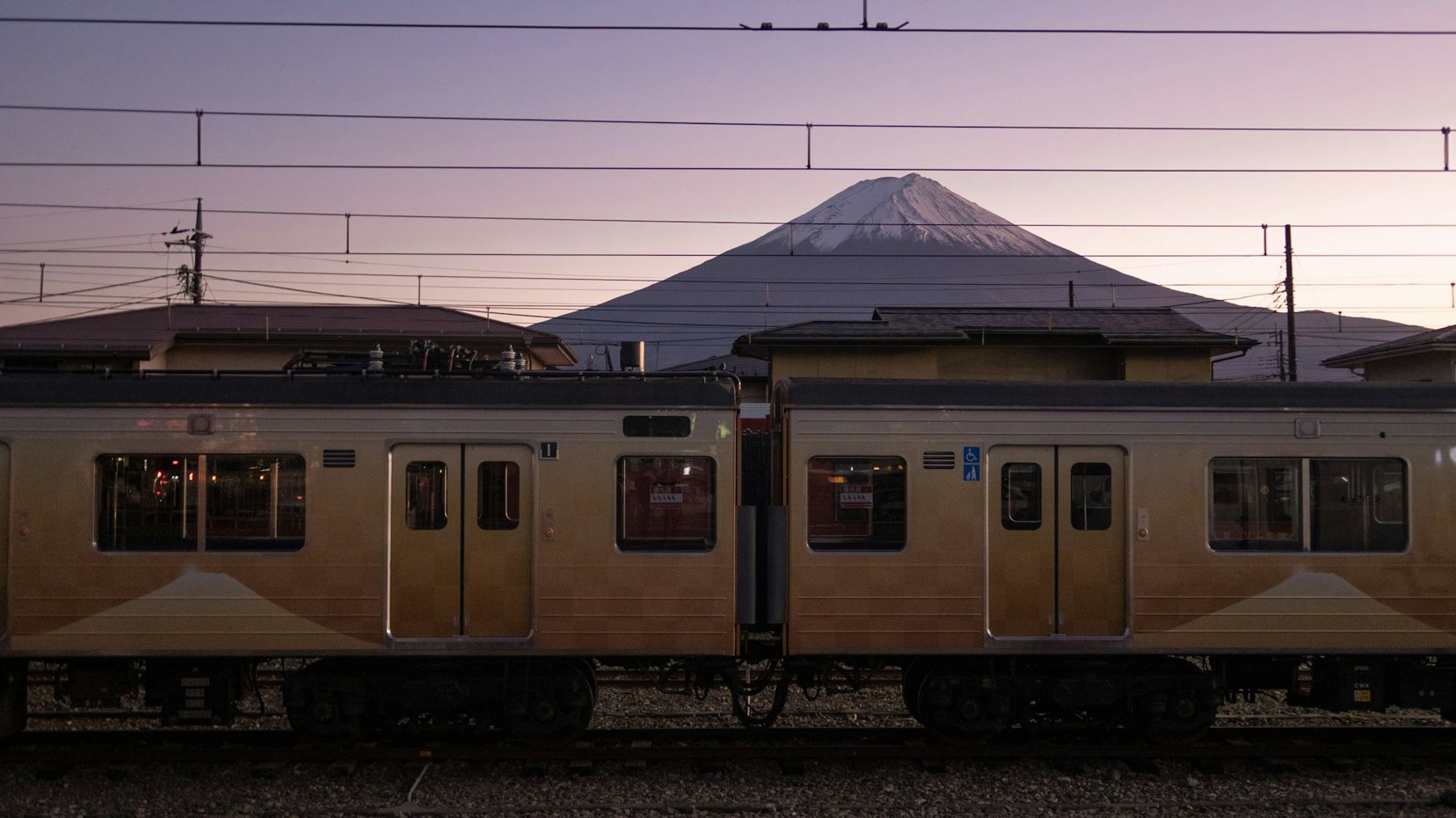
The rail network does the long distance work. The shinkansen lines reach most regions with campgrounds: the Tohoku Shinkansen for Nasu, the Hokuriku Shinkansen for the Nagano mountains, the Tokaido Shinkansen for the Izu and Fuji areas. From there, a JR or private local line takes you to a smaller station near the camping area.
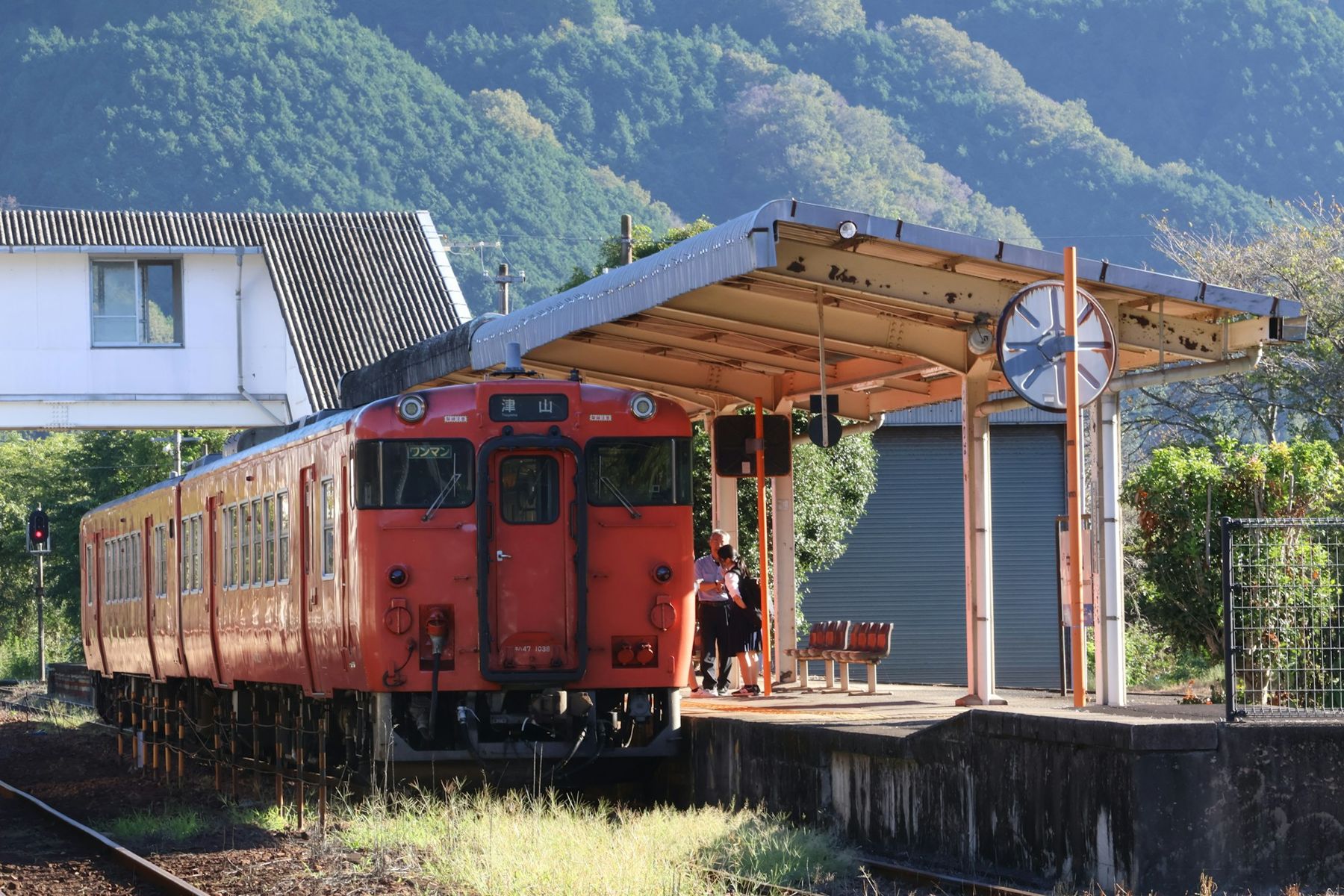
Large bags can be an issue on some shinkansen lines, where very large luggage needs a reserved seat with a luggage space. A typical backpack is fine, but check the current rules if you travel with a large duffel. Local trains in the countryside run less often than city services, sometimes once an hour or less, so note the times before you set out.
Local buses and their quirks
The local bus is the link between the station and the campground. Rural buses work differently from city ones. On many routes you board through the rear or middle door and take a small numbered ticket (seiriken) from a machine. A screen at the front shows the fare for each ticket number, rising as the bus travels. You pay as you get off at the front, dropping the ticket and exact fare into the box beside the driver. The fare box usually changes notes into coins, but a stack of coins makes it easier.
 another page in the bookAuto-camp grounds, free sites and the rules on where you can pitch
Transport IC cards work on many rural buses, but not all, so keep cash. Timetables can be thin, with only a few buses a day, and some routes run only in the summer season or at weekends. Highland routes, such as the buses into Kamikochi, where private cars are not allowed, run seasonally. Check the operator's current timetable, print it or save it offline, and plan to be at the stop early. The last bus of the day can leave in mid-afternoon.
Taxis for the last stretch
Sometimes the campground is a few kilometres beyond the last bus stop, up a road with no pavement. A taxi from the station covers that stretch. At larger stations, taxis wait in a rank. At small rural stations there may be none, so phone a local taxi company in advance or ask the station staff or tourist office to call one. Many taxis accept cards now, but not all, especially in the countryside. Write the campground's name and address in Japanese on a card for the driver.
Ask the driver for a card or phone number at drop-off, so you can book a pick-up for your departure. On the last morning, call early; rural taxi companies may have only a few cars.
Sending bags ahead
Japan's luggage forwarding services are one of the best tools for travelling light. From a convenience store, hotel or station counter, you can send a suitcase to your next hotel or, in many cases, to a campground that accepts deliveries. Delivery usually takes a day or two, and it costs less than you might expect. Confirm with the campground that they accept parcels for guests, and on what dates, before you send anything.
The same works in reverse. Pack your gear on the last morning, hand it in at reception if they handle outgoing parcels, and walk to the bus with a day pack. Gas canisters cannot be sent this way, so use them up or leave them with the campground if they collect them.
Packing light, step by step
Choose a campground with rentals or cabins for your first trip. Rent the tent and bedding, and bring your own clothes and small items. Use one main backpack and a small day bag, nothing with wheels if the campground is on gravel. Buy food near the last station, since the shop at reception may be small.
Leave a margin in your plans. A missed bus in the countryside can mean a two-hour wait, and a short walk on the map can be a steep climb. If you are going somewhere with bears, read the guide to bears, bells and mountain safety before you set off on foot, and in the warmer months the guide to the highlands in summer suggests cooler places to aim for. Timetables, fares and rental terms change, so check them before you go.