How camping works
Bears, bells and mountain safety
Japan's mountains are well mapped and well used, but they are still wild. Bears, sudden weather, heat and ticks all deserve respect. Here is how to camp sensibly.
- Best months
- Plan for every season
- Getting there
- Check warnings before every trip
- Pack
- Bell, rain shell, warm layer, water, tick repellent
Before you go
- Check local bear warnings and closures before you go
- Store all food and rubbish in the car or lockers
- Make noise on trails, especially near streams and blind corners
- Check mountain forecasts and turn back early in storms
- Wear long sleeves and check your body for ticks
- Know the emergency numbers: 110 police, 119 ambulance
Japan's countryside is safe in most ordinary senses. Trails are marked, campgrounds are staffed, and help is never far away in the more popular parks. But more than two thirds of the country is mountain and forest, and the wildlife and weather there need the same respect they do anywhere. Most incidents happen to people who did not know what to expect. This guide covers the basics; for any particular area, follow the official advice and the signs posted locally.
Two kinds of bear
The Asian black bear, the tsukinowaguma or moon bear, lives in forests across much of Honshu, and in small numbers on Shikoku. It is smaller than the bear in Hokkaido, but it is strong and can be dangerous, especially when surprised at close range or with cubs. The Ussuri brown bear, the higuma, lives in Hokkaido and is much larger. There are no bears on Kyushu, Okinawa or most small islands.
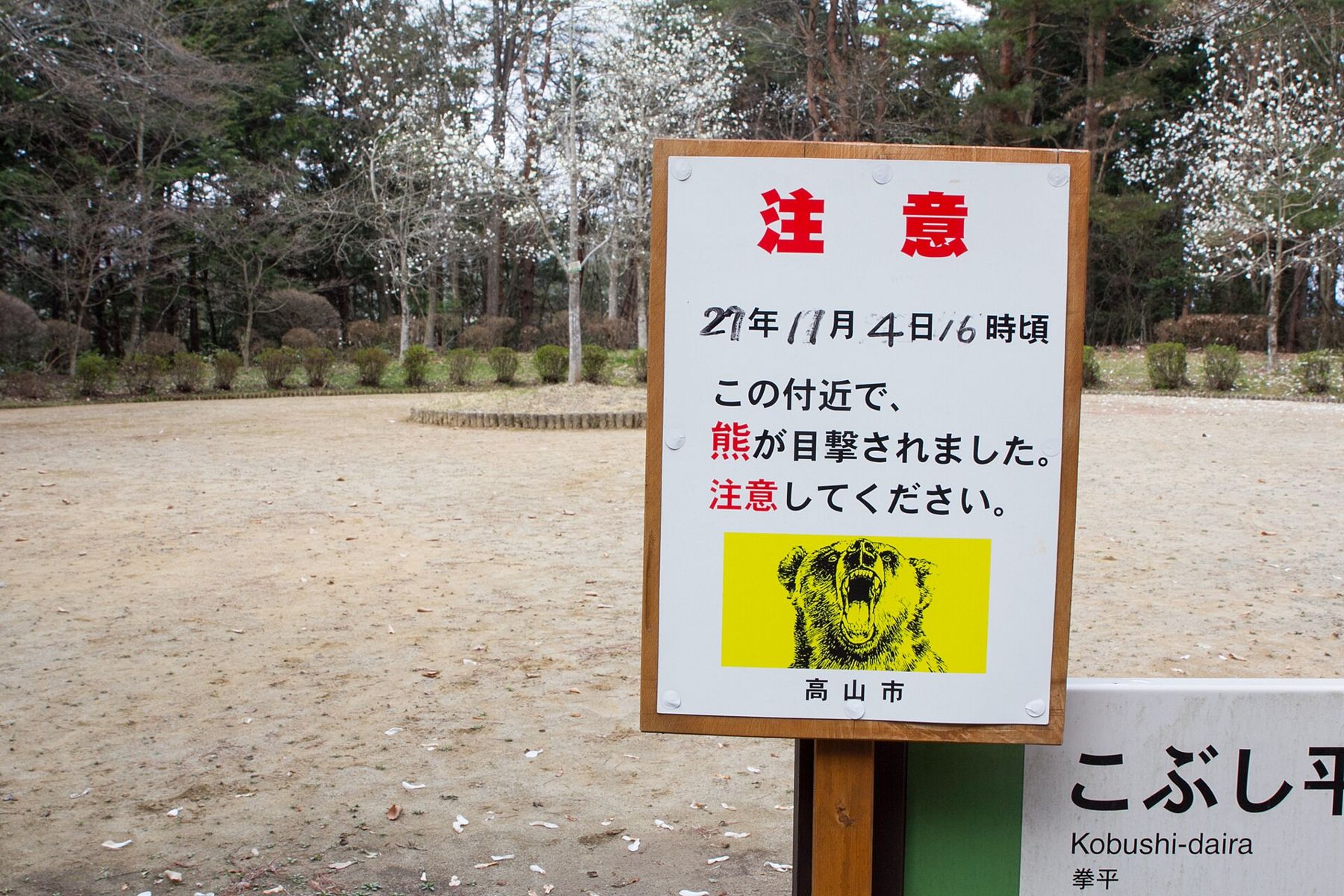
Bear sightings and encounters have increased sharply in recent years in parts of northern Honshu and Hokkaido, including near villages and towns, especially in years when the autumn crop of beech nuts and acorns fails. Local governments post warnings, close trails and sometimes close campgrounds. Take these seriously. Bear warning signs, like the one in the photo above, are put up when a bear has been seen nearby.
Bells, noise and timing
Most encounters happen when a bear and a person surprise each other. Making noise gives bears time to move away. Many Japanese hikers wear a bear bell on their pack, and talking or clapping on blind corners and near noisy streams helps too. Walking in a group is safer than walking alone.
Bears are most active around dawn and dusk. Avoid walking in the forest at those times where bears are known, and stay alert in berry patches, beech woods in autumn and along streams. If you see fresh droppings, tracks or a carcass, turn back. Never approach a bear for a photo, and do not stop your car to feed or film one by the road.
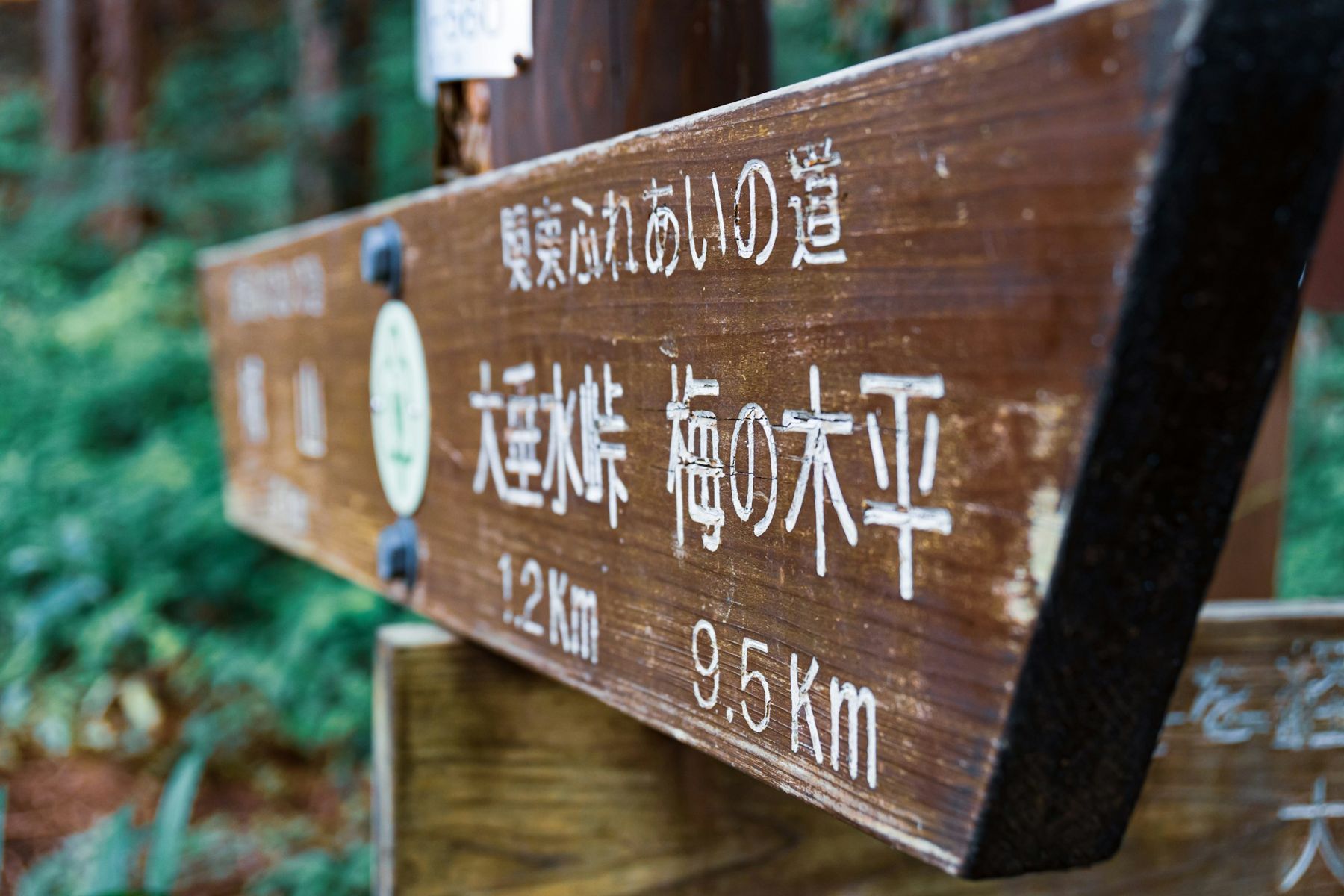
Before any trip into bear country, look at the prefecture's or town's current bear information, which often shows recent sightings on a map, and ask the campground staff or the visitor centre whether anything has been seen nearby. A bell is not a guarantee. Bears that have grown used to people, or that are feeding hard before winter, may not move away at the sound. In areas with frequent sightings, the safest choice is simply to skip that walk, change the route, or camp somewhere else. Shiretoko and some other parts of Hokkaido have their own detailed rules for visitors, including where you may walk and how to store food; read them before you arrive.
Food storage at camp
Food is what draws bears to campgrounds. Keep all food, cooking gear, rubbish and anything scented, such as toothpaste and sunscreen, out of your tent. Store it in your car with the windows closed, or in the bear-proof lockers or food storage boxes some campgrounds in Hokkaido and the mountains provide. Never leave food or rubbish out overnight or unattended during the day.
 another page in the bookSorting your rubbish the Japanese way
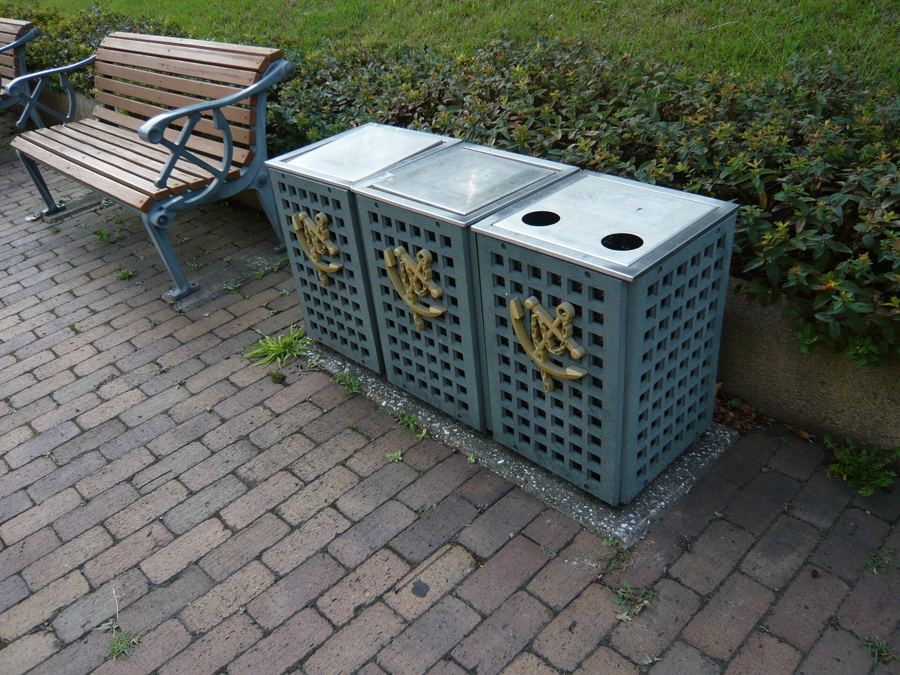
Cook and eat away from where you sleep if the campground allows it. Clean up immediately after meals, and take rubbish to the campground's station or seal it for carrying out; the guide to sorting rubbish explains how. Some campgrounds in bear country close their tent areas when bears are seen nearby; follow staff instructions.
If you meet a bear
If you see a bear at a distance, stay calm and do not run. Running can trigger a chase. Back away slowly while facing the bear, and give it room to leave. If the bear has not noticed you, move away quietly. If it is close, speak in a low, calm voice, keep facing it, and retreat slowly.
Some hikers carry bear spray, which can be effective at close range; learn how to use it before you need it, and keep it within reach rather than inside your pack. If a black bear attacks, official guidance generally advises protecting your head and neck. Report every sighting to the campground staff or the police on 110. Advice is updated as research changes, so read the current official guidance for the region you are visiting.
Mountain weather
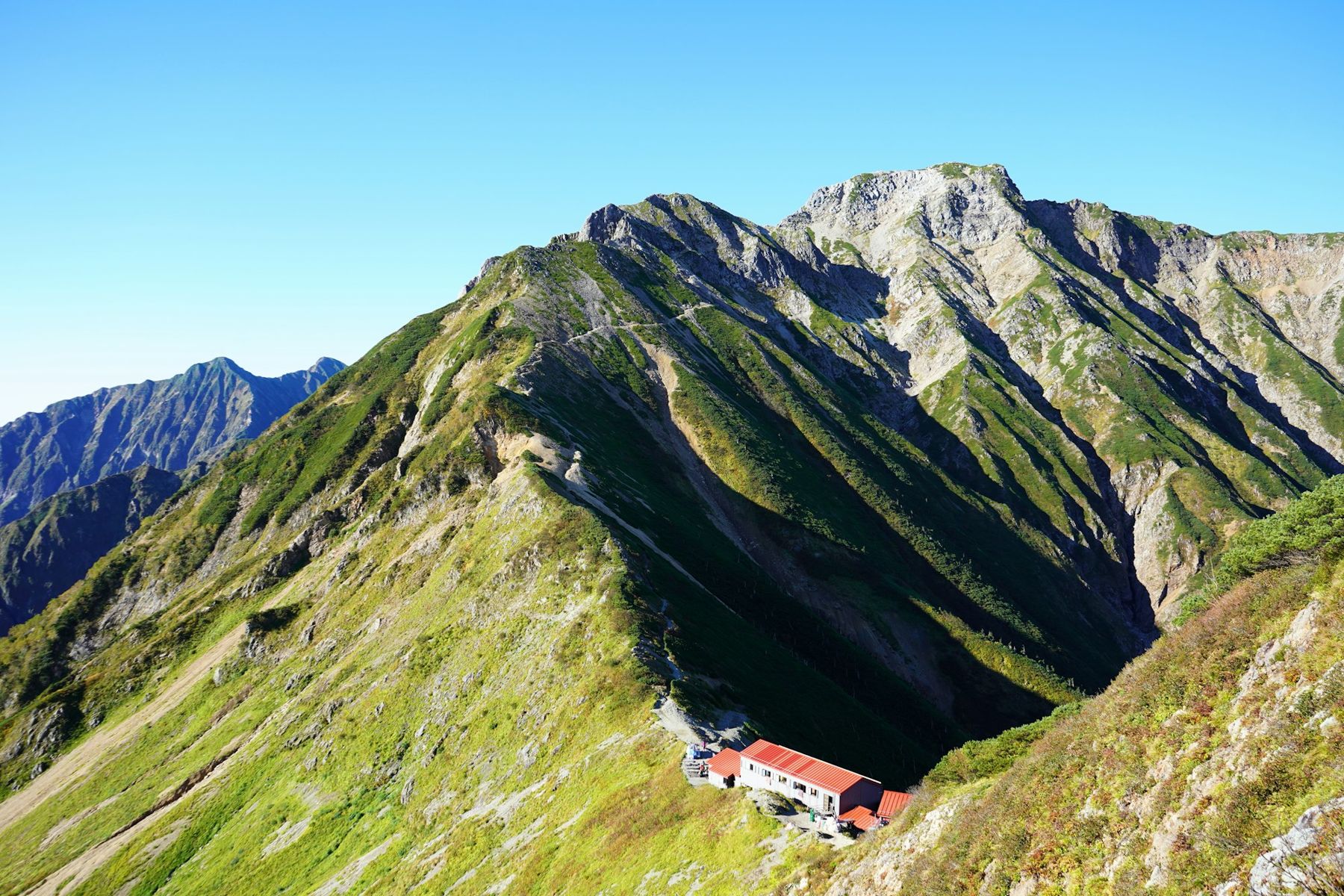
Mountain weather in Japan changes quickly. In summer, clear mornings often build into afternoon thunderstorms in the Alps, so start early and plan to be off exposed ridges by early afternoon. Typhoons arrive from late summer into autumn, bringing heavy rain, wind and landslides; if one is forecast, cancel or shorten the trip. Rivers can rise fast after rain upstream, so never camp on a riverbed or low bank when rain is forecast.
Nights can be cold even in summer at altitude, and the first snow falls on the high peaks in autumn. Carry a warm layer and a waterproof shell on every trip. In some prefectures a climbing plan, tozan todoke, is required for certain mountains, and it is a good idea everywhere; submit it online or at the trailhead box. Check the forecast from the national weather service before you go.
Heat, ticks and other hazards
Lowland summers are hot and humid. Heatstroke, netchūshō, is a real risk from June to September. Drink before you are thirsty, take salt, rest in shade and choose higher campgrounds in midsummer; the guide to summer in the highlands suggests where. Watch children and older companions closely.
Ticks live in grass and woodland across Japan and can carry disease, including in some areas a serious virus. Wear long sleeves and trousers tucked into socks, use repellent, and check your body each evening. Remove ticks carefully and see a doctor if you develop a fever afterwards. Hornets, suzumebachi, are aggressive near their nests in late summer and autumn; move away calmly if they buzz around you, and avoid strong scents and dark clothing.
Finally, know the numbers: 110 for police, 119 for fire and ambulance. Phone signal is patchy in mountain valleys, so tell someone where you are going and when you will be back. Follow local warnings, and when in doubt, turn back.