How camping works
Sorting your rubbish the Japanese way
Rubbish sorting is part of camping in Japan. The categories change from town to town, but the logic is the same, and getting it right is a large part of being a welcome guest.
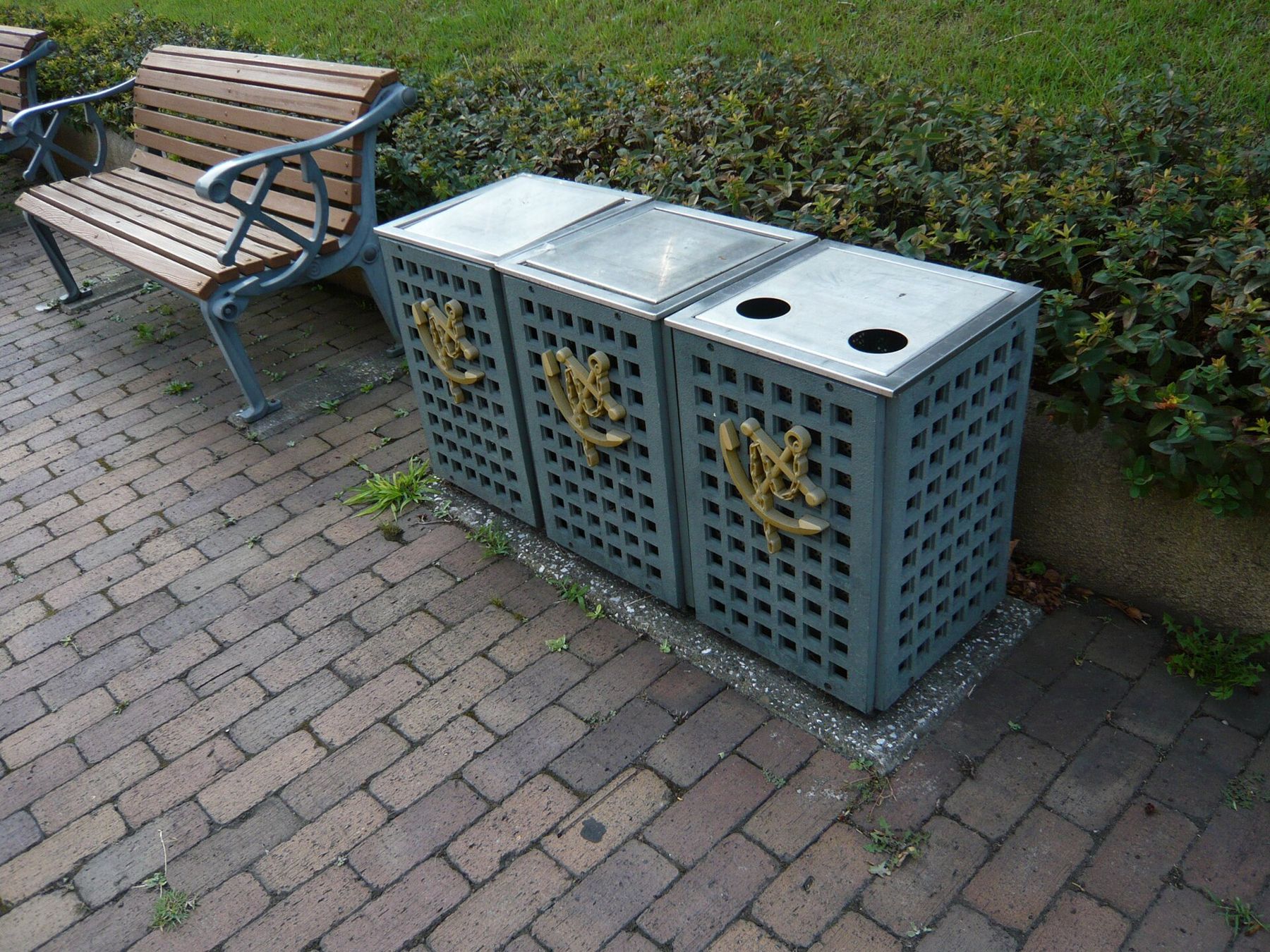
- Best months
- All year
- Getting there
- The rubbish station at reception
- Pack
- Several bags, a marker pen, a sealable ash tin
Before you go
- Ask at check-in which categories the campground uses
- Rinse cans, bottles and food trays before sorting
- Remove caps and labels from plastic drink bottles
- Use gas canisters fully; follow local disposal rules
- Put only cold ash in the ash bin
- Bring spare bags in case you must take rubbish home
Public litter bins are rare in Japan. People carry their rubbish home and sort it into categories that are collected on different days. Campgrounds follow the rules of the municipality they sit in, so the categories at a lakeside ground in Hokkaido may not match the ones at a riverside ground in Shikoku. The basic logic is the same everywhere, and once you know it, the coloured signs at a campground rubbish station make sense even if you cannot read them.
Why it matters
Each town pays to collect and process its rubbish, and a campground that takes mixed rubbish from visitors may have to pay extra to sort it or send it elsewhere. When campers leave unsorted bags, the caretaker sorts them by hand, and some grounds have stopped accepting rubbish altogether because of it. Sorting well keeps rubbish stations open, and keeps fees down for everyone.
It also matters for wildlife. Food scraps left in an open bag attract crows, raccoon dogs, foxes and, in many mountain areas, bears. Sealed, sorted rubbish in the right bin is part of camping safely, as the guide to bears and mountain safety explains.
The usual categories
The names and the details vary, but most campgrounds use some version of these groups.
- Burnable (moeru gomi): food scraps, paper, tissues, disposable chopsticks, and in many towns smaller plastic items too. Drain food waste first; wet rubbish is heavy and smells.
- Non-burnable (moenai gomi): broken metal, ceramics, small appliances, some kinds of hard plastic. Campgrounds often do not accept this category at all.
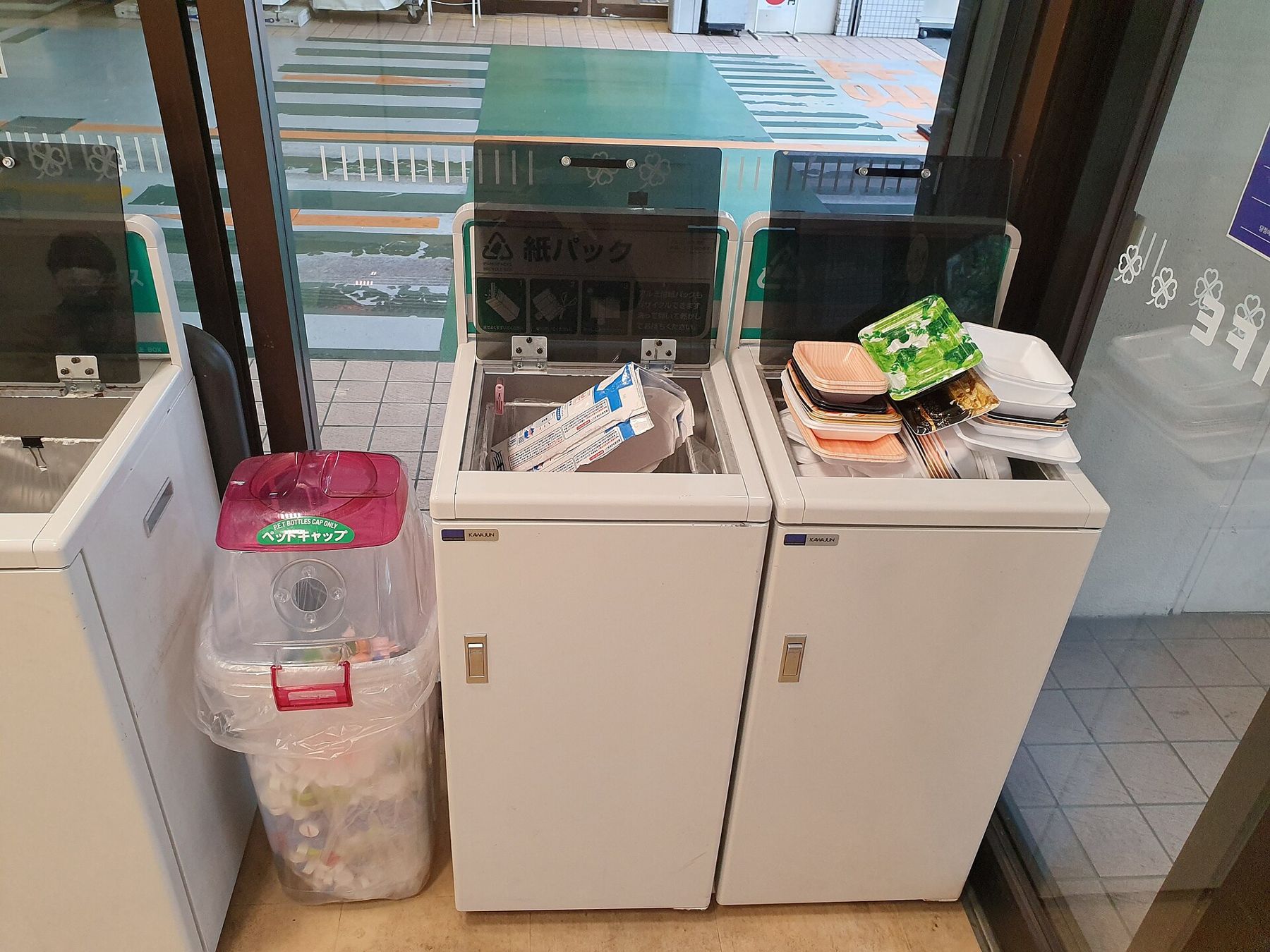
- Plastic packaging: food wrappers, trays, bags and film marked with the small plastic recycling symbol. Some towns collect this separately; others count it as burnable.
- Cans: drink and food cans, rinsed. Some places ask you to crush them; others ask you not to.
- Glass bottles: rinsed, sometimes sorted by colour.
- PET bottles: plastic drink bottles with the cap and label removed. The caps and labels usually go into plastic packaging or burnable.
Paper food cartons, polystyrene food trays and bottle caps are often collected separately at supermarkets for recycling, rather than at campgrounds.
 another page in the bookBooking, check-in and quiet hours at Japanese campgrounds
Gas canisters and batteries
Camping stoves in Japan run on cassette gas cans or screw-on mountain canisters. Never put a canister with gas still in it into any rubbish bag. Use it up completely, by running the stove until the flame dies. After that, rules split: some municipalities ask you to pierce empty canisters, others ask you not to, and some campgrounds have a dedicated bin for them. Batteries, lighters and spray cans also have their own rules. If there is no clear sign, ask the caretaker, or take them home.
Ash, charcoal and the fire stand
Most campgrounds have an ash bin, often a metal drum or a concrete box marked with the character for ash. Only cold ash goes in. Hot embers in a bin can start a fire hours later, so let the fire burn down completely, douse it with water and wait. Charcoal that is not fully burned can go in the ash bin once cold, or into a small metal tin you take home and reuse next time.
Never bury ash or charcoal, and never tip it into a river or the grass beside your pitch. It does not break down, and the next camper finds a black patch where they wanted to sit. Grounds that sell firewood usually explain where ash goes when they hand it over.
Barbecue leftovers need the same care. Grease and fat poured onto the ground attract animals and stain the soil, so wipe pans and grills with paper towels first and put the paper in burnable rubbish. Wash dishes only at the campground sinks, never in a stream or lake, and scrape food scraps into the burnable bag rather than down the drain. Many sinks have a mesh basket to catch scraps; empty it into your own rubbish when you finish. Foil trays, skewers and disposable grills each belong to a different category in many towns, so check before you throw them in together.
When you have to take it home
A growing number of campgrounds, especially small municipal ones and those in national parks, ask you to take all your rubbish home: mochikaeri. Others accept some categories and not others, or charge a fee per bag. Mountain hut tent areas almost always expect you to carry your rubbish out. Read the booking page and the rules sheet, and if a campground says take it home, plan for it.
That means bringing more bags than you think you need, a sealable container for food waste, and space in the car or pack. At home, or at your accommodation, you will then sort it by the rules of that place. If you are travelling, ask your next host how to dispose of it; dumping campground rubbish in a convenience-store bin or a station bin is poor form, and those bins are meant for small items bought there.
A simple system at the pitch
The easiest way to keep up is to sort as you go. Hang three or four bags from a hook on the tarp pole or the table, one for each category the campground uses, and label them with a marker pen. Rinse cans and trays after meals with leftover dishwater. Keep food scraps in a closed container rather than an open bag, and keep all rubbish inside the car or a sealed box overnight.
When you check out, take the sorted bags to the rubbish station and match them to the signs. The pictures on the bins usually show what goes where. If you are unsure, it is better to ask than to guess; the caretaker would much rather explain once than sort your bag later. Rules change from town to town and are updated over time, so always check the campground's current guidance, and read the guide to campground types and their rules before you book somewhere new.