Kagoshima Prefecture
Yakushima's cedar forests
A round, mountainous island south of Kyushu where ancient cedars grow in the rain, moss covers every stone, and you camp on the coast and walk up into the forest.
- Best months
- April, May, October, November
- Getting there
- Ferry or jetfoil from Kagoshima, or flight
- Pack
- Full rain gear, quick-dry clothes, a portable toilet bag
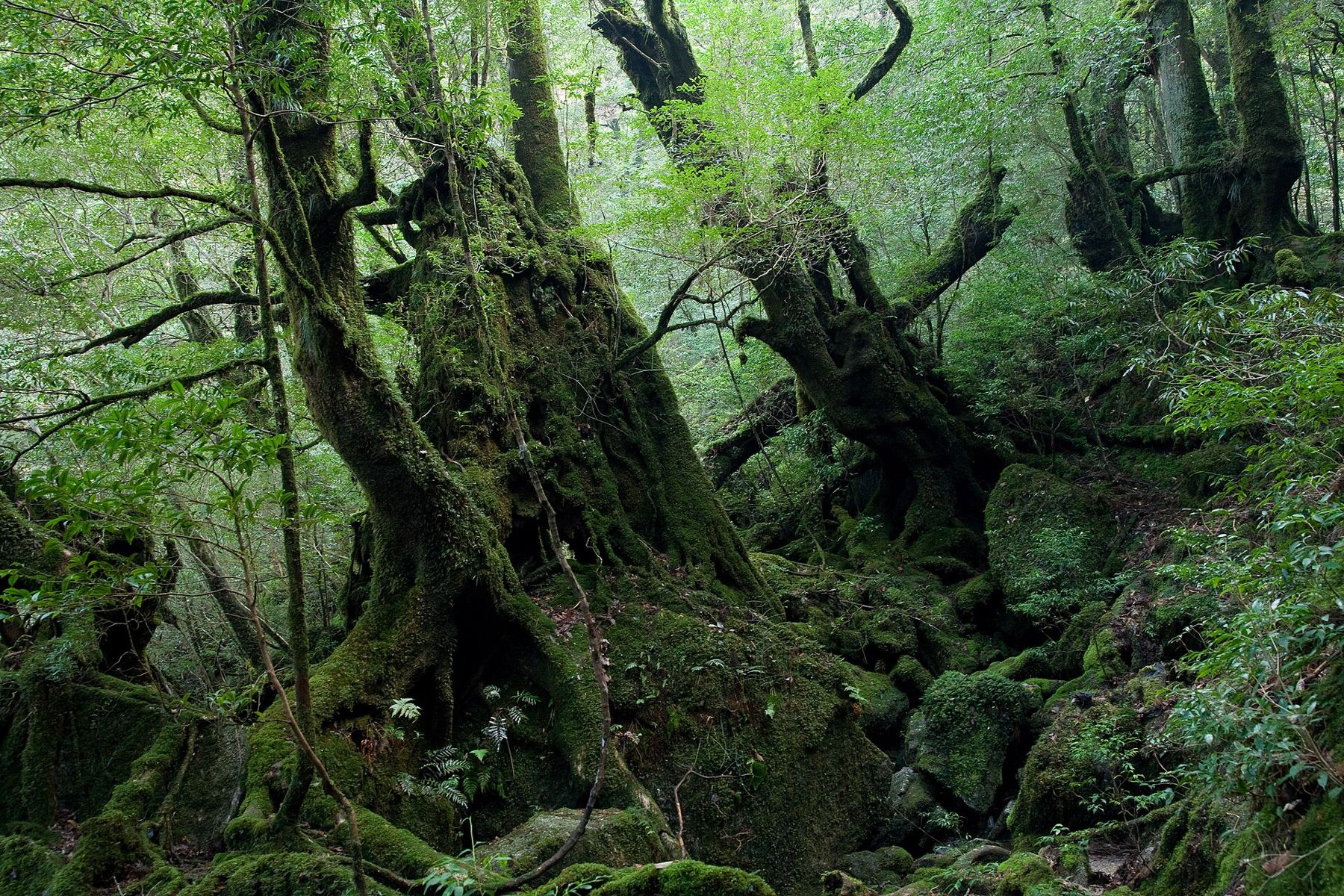
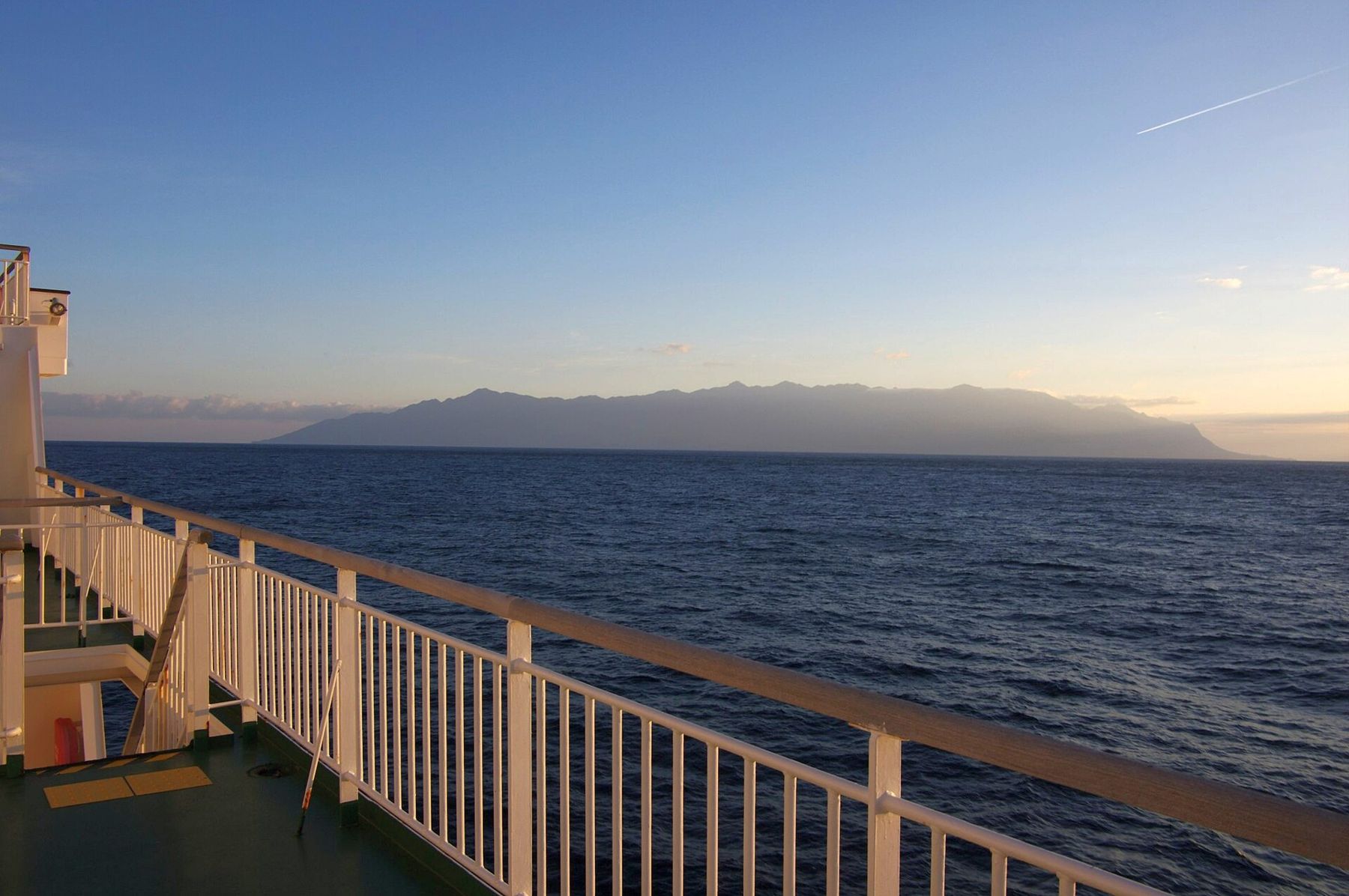
Yakushima is a round, mountainous island off the southern tip of Kyushu, in Kagoshima Prefecture. From the sea it looks like a single steep wall of green, with the highest peaks in Kyushu rising almost straight from the coast. Inside is a forest of yakusugi, the island's cedars, some of them many centuries old and a few far older. Much of the island was listed as a World Natural Heritage site in 1993, and it is part of Yakushima National Park.
The forest grows the way it does because of the rain. Yakushima is one of the wettest places in Japan, and in the mountains it rains on more days than it does not. Come prepared for that and you will find one of the most beautiful forests in the country, and a calm, slow island to camp on.
An island made by rain
The island sits in the path of warm, wet air from the Pacific. That air rises over the mountains and falls as rain, so much that a well-known Japanese novel described it as raining thirty-five days a month. The joke has stuck, and it is not much of an exaggeration in the high forest.
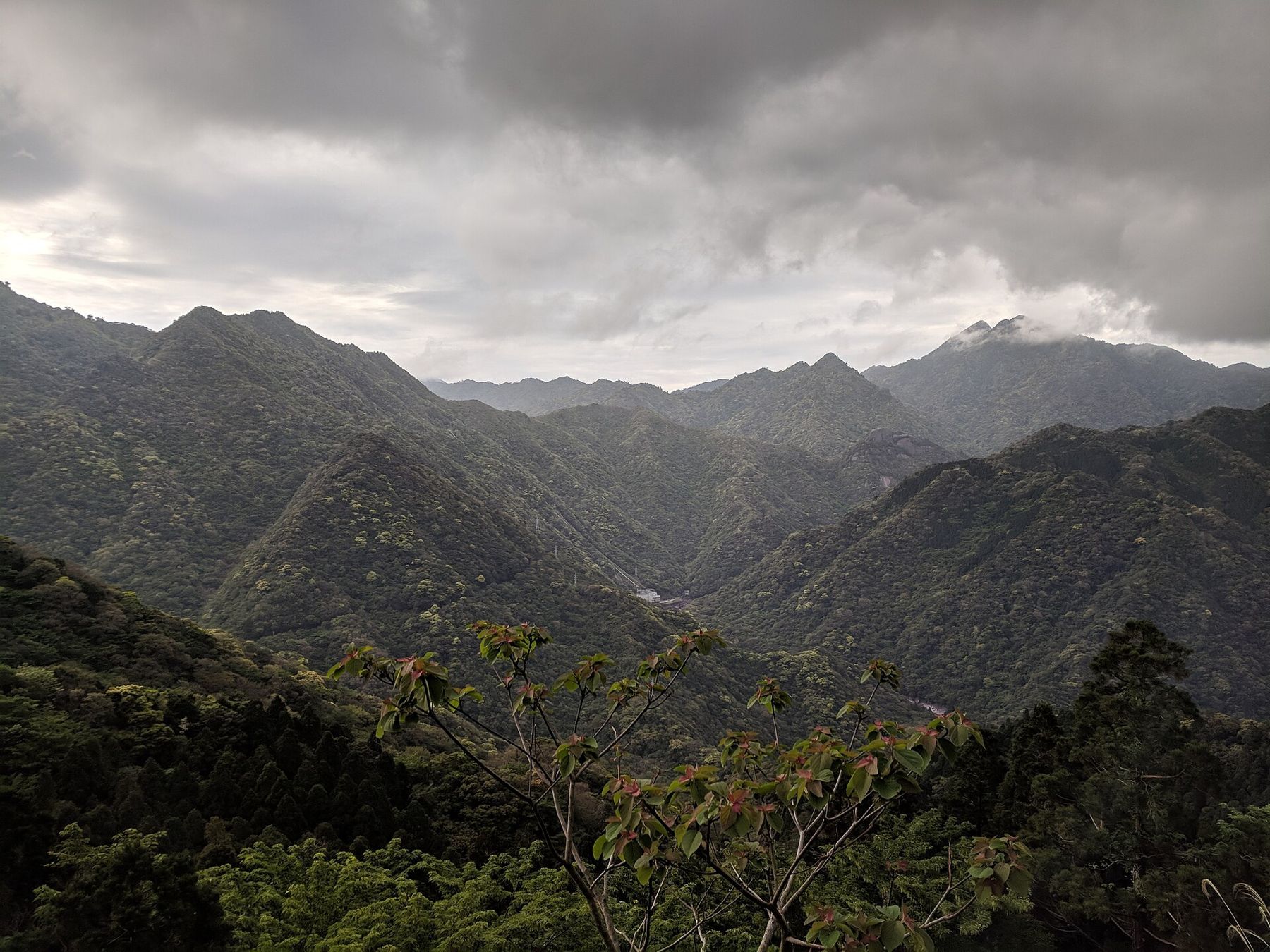
The rain does two things. It feeds the streams, waterfalls and moss that cover everything, and it makes the climate change sharply with height. The coast is subtropical, with banyan trees and warm water; the high mountains can see snow in winter. Within a day you can walk from palm-lined shore to cool, misty forest.
The island is small enough to drive around in a few hours, and the coast road passes waterfalls that drop straight toward the sea, quiet fishing harbours and long views of the mountains when the cloud lifts. On the southern coast, a hot spring in the rocks by the sea can only be used around low tide, when the water drops below the pools; it is a simple, shared bath with no buildings, and the usual onsen manners apply, along with a small fee or donation where asked.
All that rain also makes the island rough on gear. Everything gets wet; nothing dries quickly. Pack clothes that dry fast, keep a dry set sealed in a bag, and bring full rain gear even when the forecast looks good. The page on camping through the rainy season has tips on tarps, drainage and drying that apply here all year.
Shiratani Unsuikyo and the cedar forest
Shiratani Unsuikyo is a ravine of mossy forest in the hills above the main port of Miyanoura, reached by a mountain road with buses in season. A network of trails, from an easy hour's walk to a long half-day loop, follows a clear stream through old cedars, fallen trunks and boulders thick with moss. A forest conservation fee is collected at the entrance. The deep, green, quiet forest here is the picture most people carry of Yakushima.
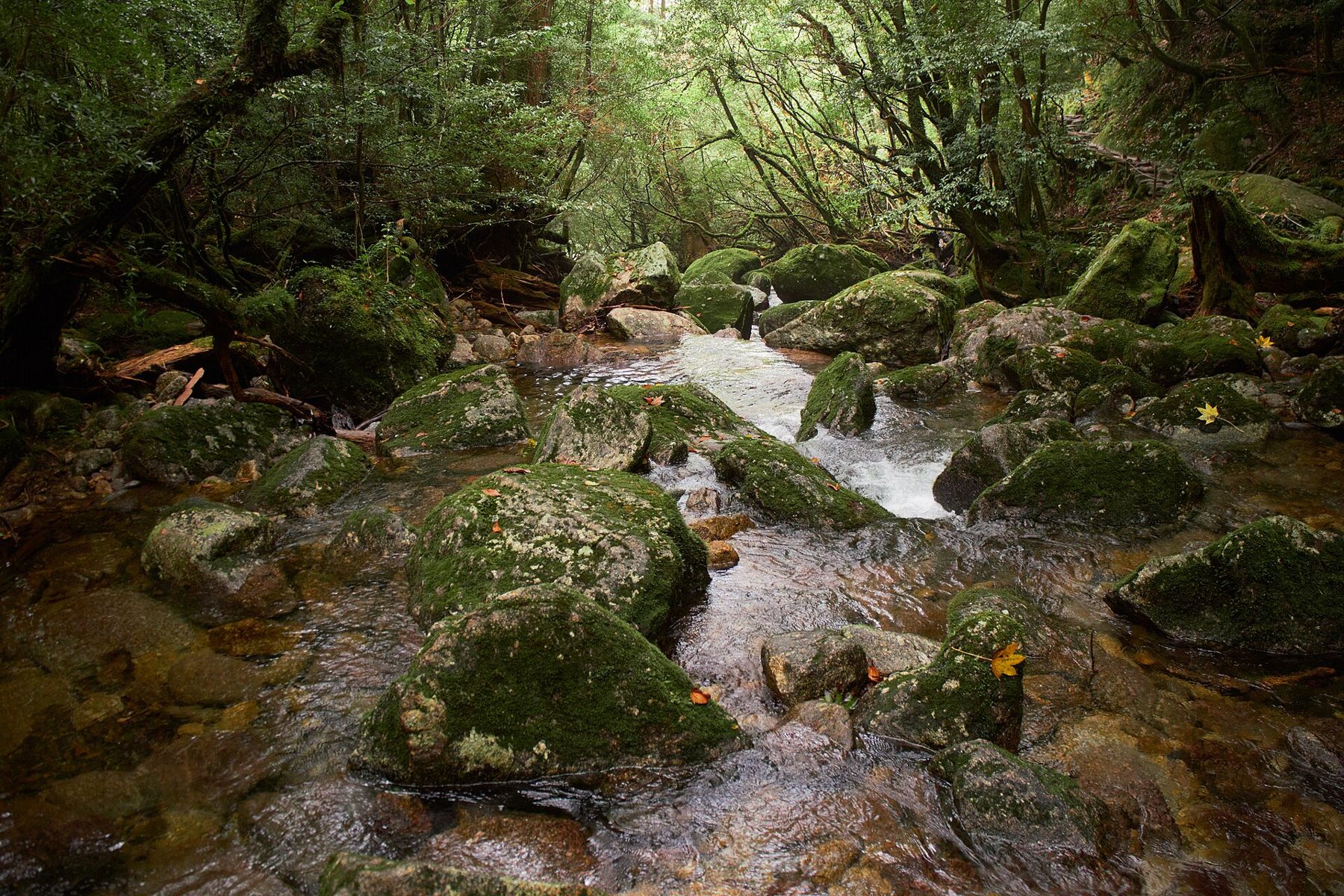
The trails are well marked but rough: wet roots, slick rocks and steep steps. Wear boots with good grip, start early to avoid the busiest hours, and stay on the path. Moss and roots are easily damaged, and the forest's beauty depends on it being left alone.
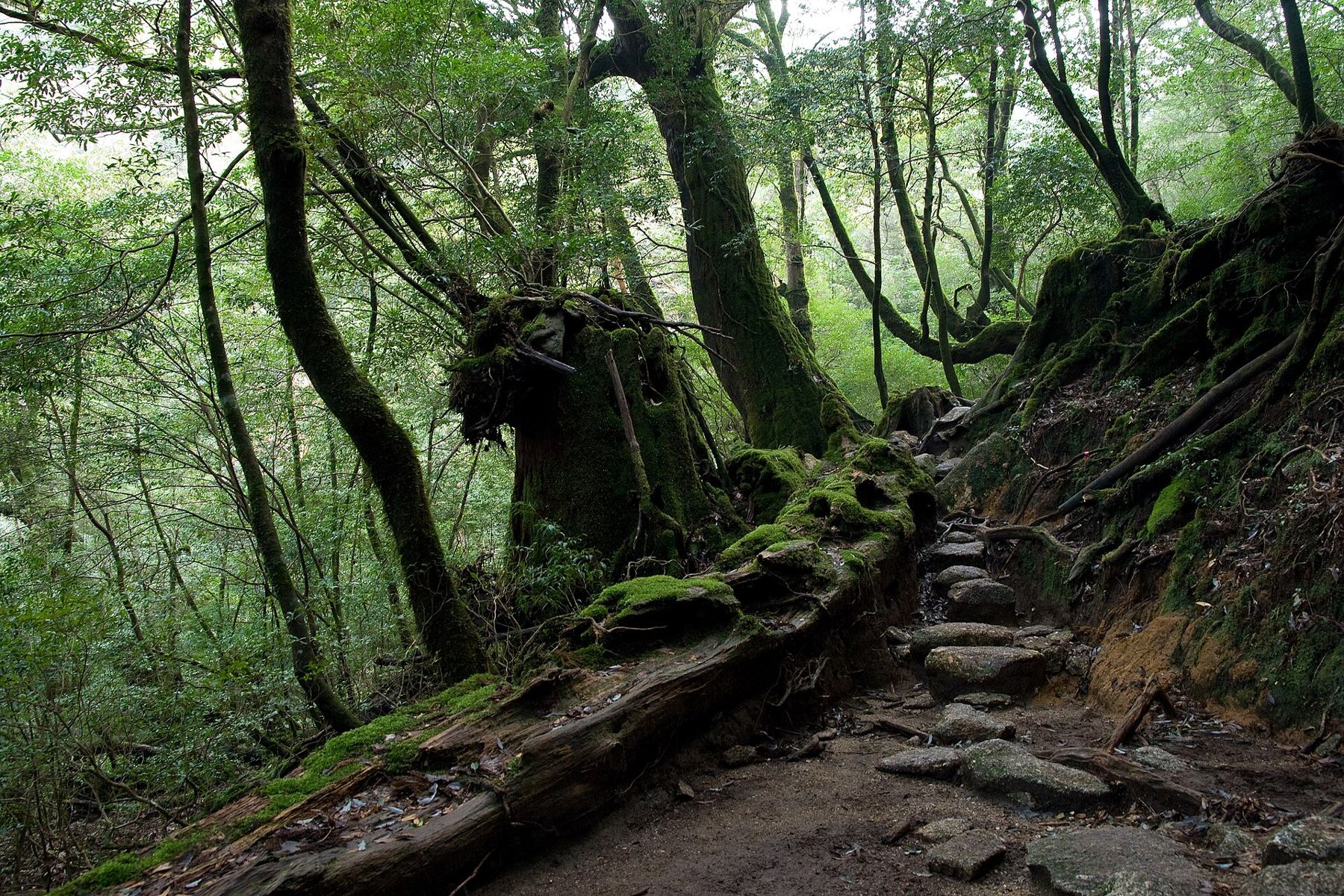
Jomon Sugi, the island's most famous cedar, stands deep in the mountains and takes a long day's hike to reach: most of a day on foot there and back, on a trail that begins with an old forest railway track. For much of the year private cars cannot reach the trailhead, and a shuttle bus runs from a car park lower down instead; check the season's arrangements well ahead. The hike is long, tiring and often wet, and needs an early start, a head torch and a realistic sense of your own pace. If that sounds like too much, the cedars of Shiratani Unsuikyo and the shorter forest walks elsewhere on the island give a fine taste of the old forest in a fraction of the time.
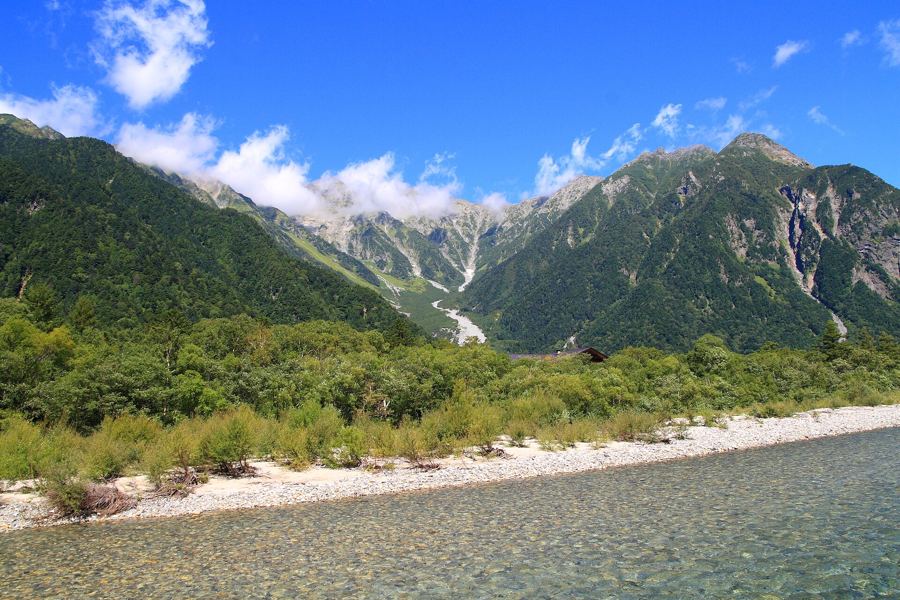 another page in the bookKamikochi and the Northern Alps
Camping on the coast
Most camping on Yakushima happens near the coast, at campgrounds close to the villages that ring the island. Some are run by the island's town, others privately; some have showers and sheltered cooking areas, others are simple. Seasons, fees and booking rules change, so check before you go. The ring road runs all the way around the island, and campgrounds on different sides make good bases for different parts of the forest.
In the mountains, camping is permitted only at designated spots, usually beside the island's unstaffed mountain huts, and pitching a tent elsewhere in the forest is not allowed. The huts are basic and fill quickly in busy seasons. The trails have very limited toilets, so the island asks hikers to carry a portable toilet bag and use the booths provided along some routes, then bring the waste out. Take every scrap of rubbish home with you.
The camping manners are the familiar ones from the mainland: fires in stands only, rubbish sorted strictly, and quiet in the evening. The guide to campground types and rules covers the basics. On Yakushima, the forest is the reason you came; leave it exactly as you found it.
On Yakushima, the forest is the reason you came; leave it exactly as you found it.
Wildlife, weather and safety
There are no bears on Yakushima. The island has its own small sika deer and Japanese macaques, both often seen along the roads and in the forest. Do not feed them, and keep food out of their reach at the campground: the monkeys are quick to grab an unattended bag.
Sea turtles come ashore to nest on some of the island's sandy beaches in early summer, and certain beaches have rules about night access during the nesting season. Follow the signs and keep lights off the sand.
The real hazards are weather and water. Heavy rain can turn trail crossings into torrents within an hour, and trails close when they become dangerous. Typhoons pass through from late summer into autumn and can cancel ferries and flights for days. Always check the forecast, file your plans, and turn back early if streams rise. In the mountains, the air is cold and wet; hypothermia is a real risk even in summer, so carry a warm layer.
When to go and how to get there
Spring, from April to May, brings fresh green and mild weather, with rhododendrons flowering on the high peaks toward the end of May. Autumn, in October and November, is usually drier and clearer, with comfortable days for long hikes. June brings the heaviest rain of tsuyu, the rainy season, and summer is hot, humid and busy, with typhoon risk later on.
High-speed jetfoils and slower car ferries run from Kagoshima port to the island's ports of Miyanoura and Anbo, and flights connect Yakushima Airport with Kagoshima and, at some times of year, with other cities. Sea crossings are cancelled in rough weather, so leave a spare day in your plans. On the island, buses run along the coast road but are infrequent; a rental car or a scooter makes the trip far easier. Check every timetable before you set out, carry cash, and slow down to the pace of the rain.