Yamanashi Prefecture
Camping by the Fuji Five Lakes
Pebble shores, lava forest and the most famous mountain in Japan across the water. The northern lakes are an easy trip from Tokyo, if you plan around the crowds.
- Best months
- May, June, October, November
- Getting there
- Highway bus or train to Kawaguchiko
- Pack
- Down jacket, tarp, stakes for gravel ground
Five lakes on the north side of Fuji
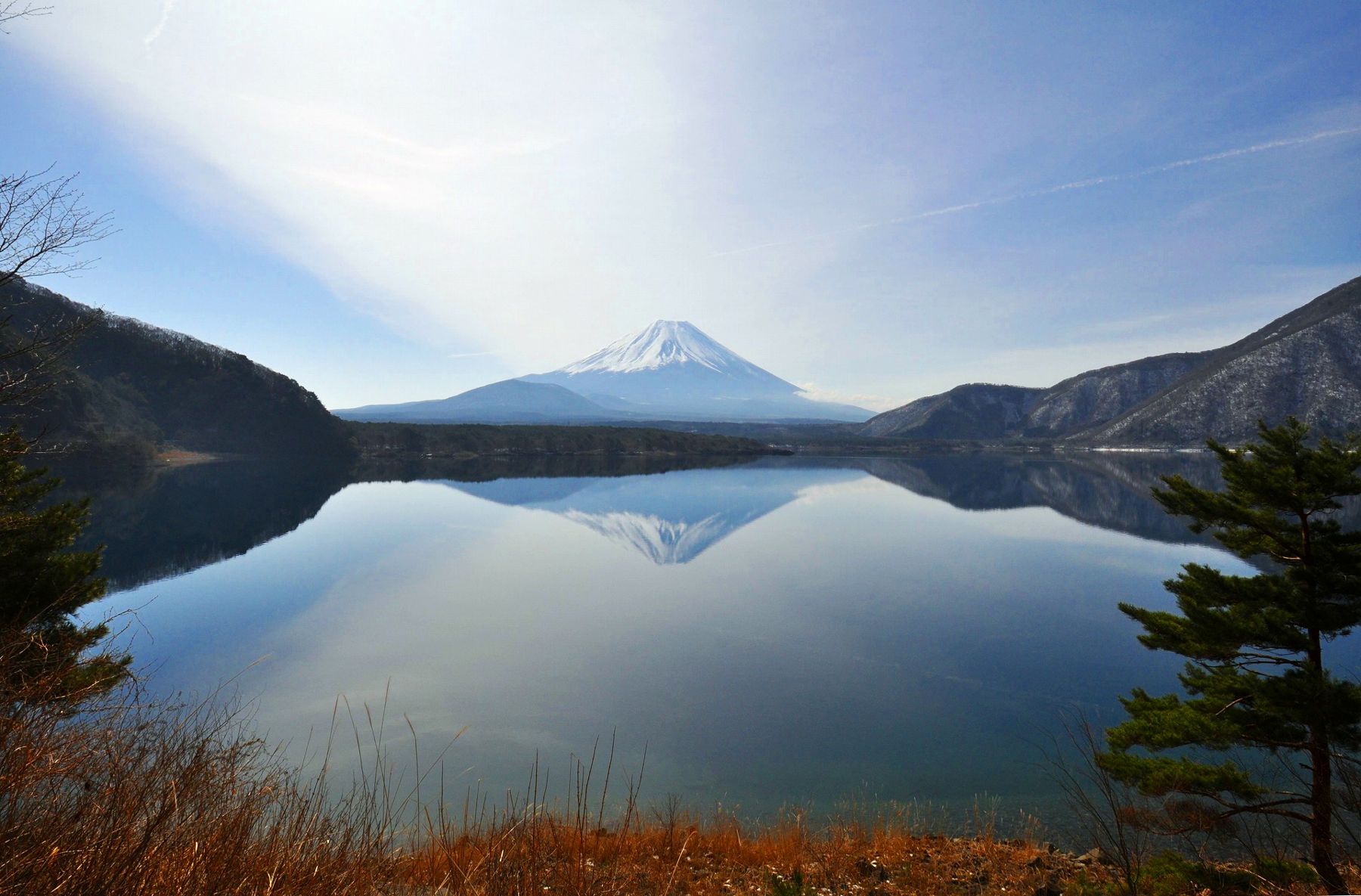
The Fuji Five Lakes, Fujigoko in Japanese, lie in an arc along the northern foot of Mount Fuji in Yamanashi Prefecture. From east to west they are Yamanaka, Kawaguchi, Sai, Shoji and Motosu. All of them formed when lava flows from Fuji dammed old valleys, and all of them sit inside Fuji-Hakone-Izu National Park. Lakeshore camping here means waking up with the mountain across the water, and on a still morning, its reflection laid out in front of your tent.
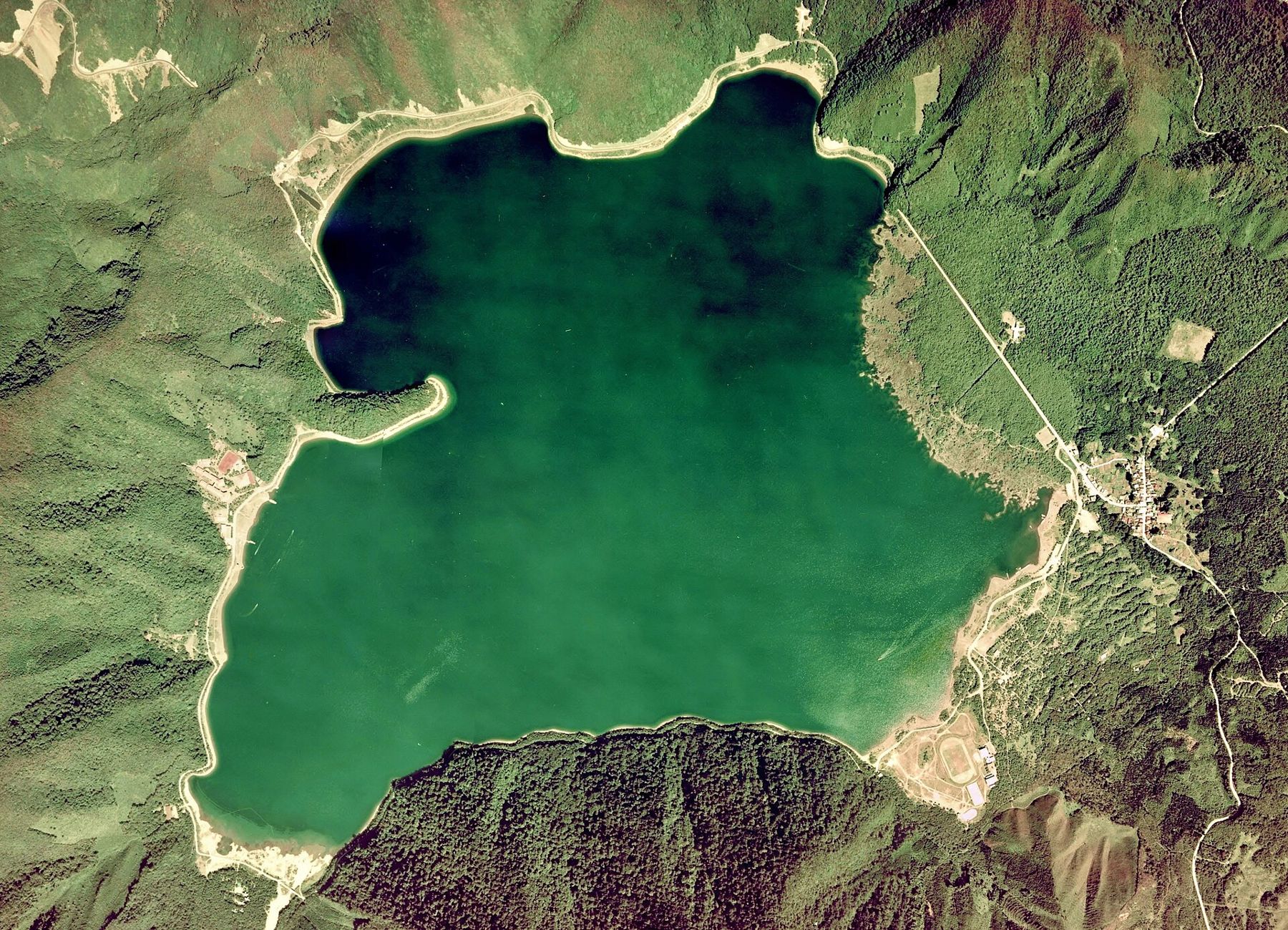
The lakes are close to one another but quite different in feel. Kawaguchiko is the busiest, with a resort town, shops and a steady flow of day visitors. Yamanakako, the largest, is open and windy, popular with boats and the people who watch them. The three western lakes, Saiko, Shojiko and Motosuko, are smaller, quieter and wrapped in forest, and that is where most campers head. The lakes sit at roughly 800 to 1,000 metres, and that altitude shapes everything about camping here.
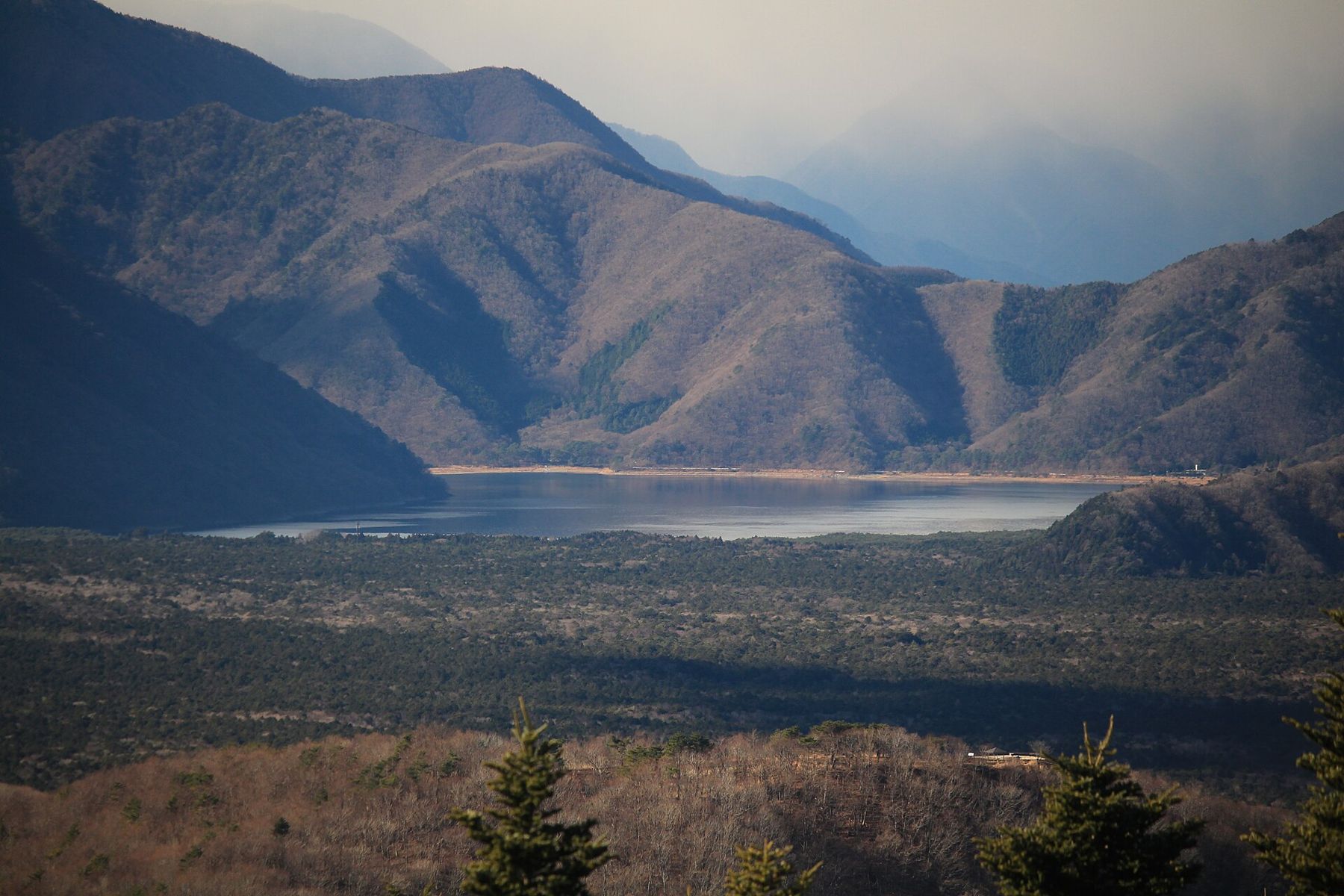
Motosu, Shoji and Saiko
Lake Motosu, the westernmost, is the deepest and clearest of the five. Its water is a cold, dark blue, and its view of Fuji, with the mountain rising above the eastern shore, was printed on the back of Japanese banknotes for years. Campgrounds sit along the lake's sandy and pebbly shores, some with pitches almost at the water's edge. Motosu is a favourite with windsurfers and paddlers, and when the westerly wind gets up in the afternoon, the lake turns choppy fast.
Lake Shoji is the smallest of the five, tucked between steep wooded hills. Its view of Fuji is partly framed by the lava forest, and the shore has a quiet, lived-in feel, with a few small campgrounds and anglers out in rowing boats. Shoji is a good choice if the bigger lakes feel too busy.
Lake Saiko lies a little to the east, with long wooded shores and several campgrounds around its edges, some set back in the trees and some right on the pebbles. The view of Fuji from much of Saiko is blocked by the forest and hills, which keeps the crowds lower than at Kawaguchiko. On the south shore, the lava forest of Aokigahara runs right down to the water.
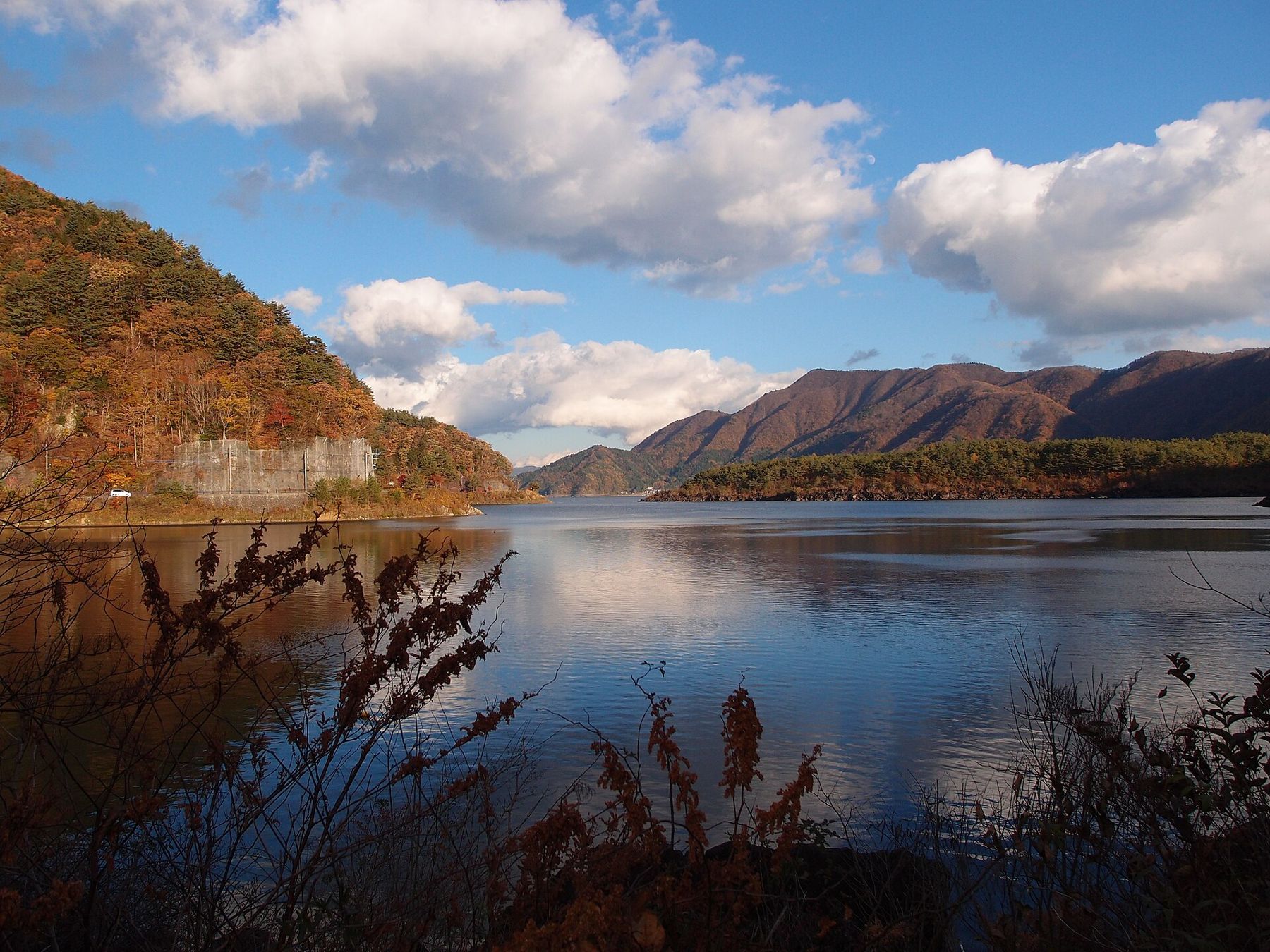
The lava forest and its caves
Between Saiko and Motosu lies Aokigahara, a dense forest that grew on the lava from an eruption of Fuji in the ninth century. The ground is rough black rock covered with moss, and tree roots spread across the surface because there is little soil to grow into. Marked trails cross parts of the forest, and the walking is easy if you stay on them. Compasses are said to fail here; they work normally, but the forest all looks alike, so stay on the paths.
The same lava flows left caves that you can visit, including wind caves and ice caves where the air stays cold through the summer. They make a good outing on a hot or wet afternoon. Bring a warm layer and shoes with grip, since the floors are damp and low ceilings mean some ducking.
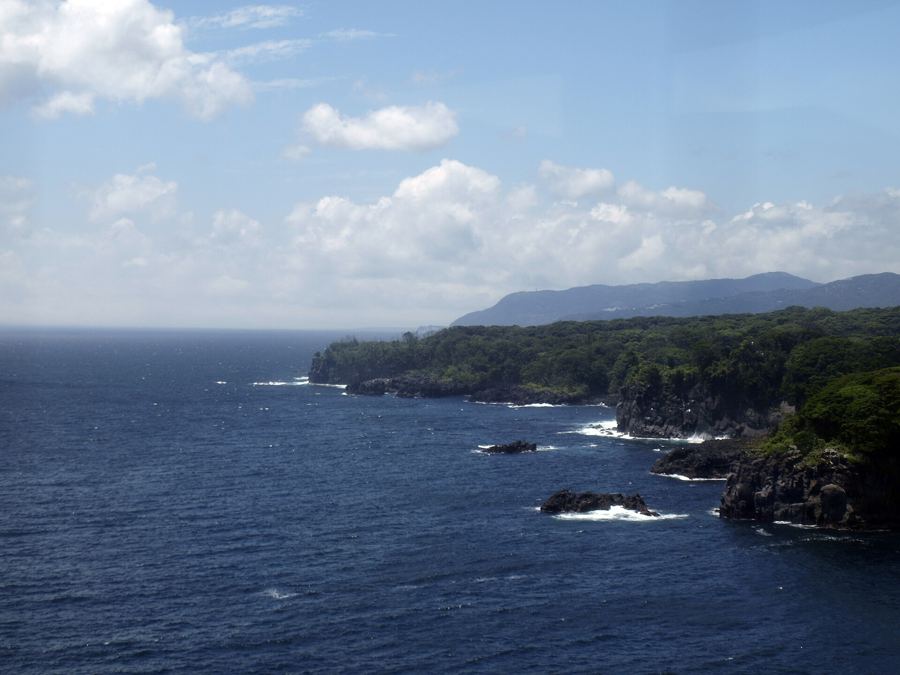 another page in the bookThe Izu Peninsula's coast camping
Crowds, weekends and booking
The Fuji Five Lakes are popular, and that is the main thing to plan around. Lakeshore pitches with a clear view of Fuji are the first to go, and on summer weekends and long holidays some campgrounds fill to the last metre of shore. Golden Week in early May, the Obon holidays in mid August and the autumn colour weekends are the busiest of all. Weekdays are far quieter.
Some lakeshore campgrounds take bookings, while others are first come, first served, and their gates can fill early on busy days. Check how each one works before you go, and have a second choice ready. Fees, opening seasons and booking rules change, so look them up for the dates you have in mind. Our guide to the types of campground explains the difference between auto-camp sites and the simpler free-pitch lakeshore grounds.
The usual campground manners apply with extra force here, because pitches are close together. Quiet hours start in the evening, fires go on stands only, and rubbish has to be sorted or taken home, depending on the ground. Camping outside designated campgrounds, including on lakeshores, is generally not allowed.
Cold nights and Fuji weather
The altitude of the lakes surprises many people coming from Tokyo. Even in summer, nights can be cool, and in spring and autumn they drop close to freezing, sometimes below. Frost on the tent in late October is normal. Bring a sleeping bag rated well below the forecast low, a warm hat and a down jacket for the evening.
The best views of Fuji come in the cold, clear months, and the mountain hides in cloud for much of the summer.
The best views of Fuji come in the cold, clear months, and the mountain hides in cloud for much of the summer. From late autumn through early spring, dawn often brings a sharp, cloudless view, and the lakes can be still enough for a perfect reflection. In June and July, the rainy season and summer haze mean you may spend several days at the lake without seeing the summit at all.
The wind deserves respect. The open lakes can go from flat calm to whitecaps in an hour, and gusts can flatten a poorly pegged tent. The shores are often gravel or volcanic sand, which hold ordinary pegs badly, so bring longer, stronger stakes and guy everything out. If you plan to paddle, stay close to shore and come in early when the wind starts to build.
Autumn is a fine time to camp here. The autumn leaves around the lakes usually peak in early to mid November, and the first snow on Fuji's summit comes before that.
Getting there
Kawaguchiko and Yamanakako are worth knowing even if you camp on the quieter lakes. Both have supermarkets, day-use hot springs and plenty of places to eat, so they make a good supply run on the way in. The two eastern lakes also have their own lakeside and forest campgrounds, closer to the town and to the bus routes, which suits people arriving without a car. Expect more noise and more company, and in return, an easier trip with a heavy pack.
Highway buses run from Shinjuku and other Tokyo stations to Kawaguchiko, and they are usually the fastest way in without a car. By rail, you can take a train to Otsuki on the Chuo Line, then change to the local line that runs up to Kawaguchiko. From Kawaguchiko Station, sightseeing and local buses run around the lakes, though service to the western lakes is thinner, especially outside the summer season. Check timetables before you go.
By car, the Chuo Expressway leads to the Kawaguchiko exit, and the roads around the lakes are easy to drive. Expect heavy traffic on weekend afternoons heading back toward Tokyo. If you are carrying a full camping kit on public transport, aim for a campground near a bus stop, or plan a taxi from the station for the last part of the trip.
Mount Fuji itself is a separate trip. The official climbing season runs in summer only, roughly July to early September, with rules and fees that have changed in recent years. Camping on the mountain is not allowed, and climbers stay in mountain huts.