Season: September, October, November, December
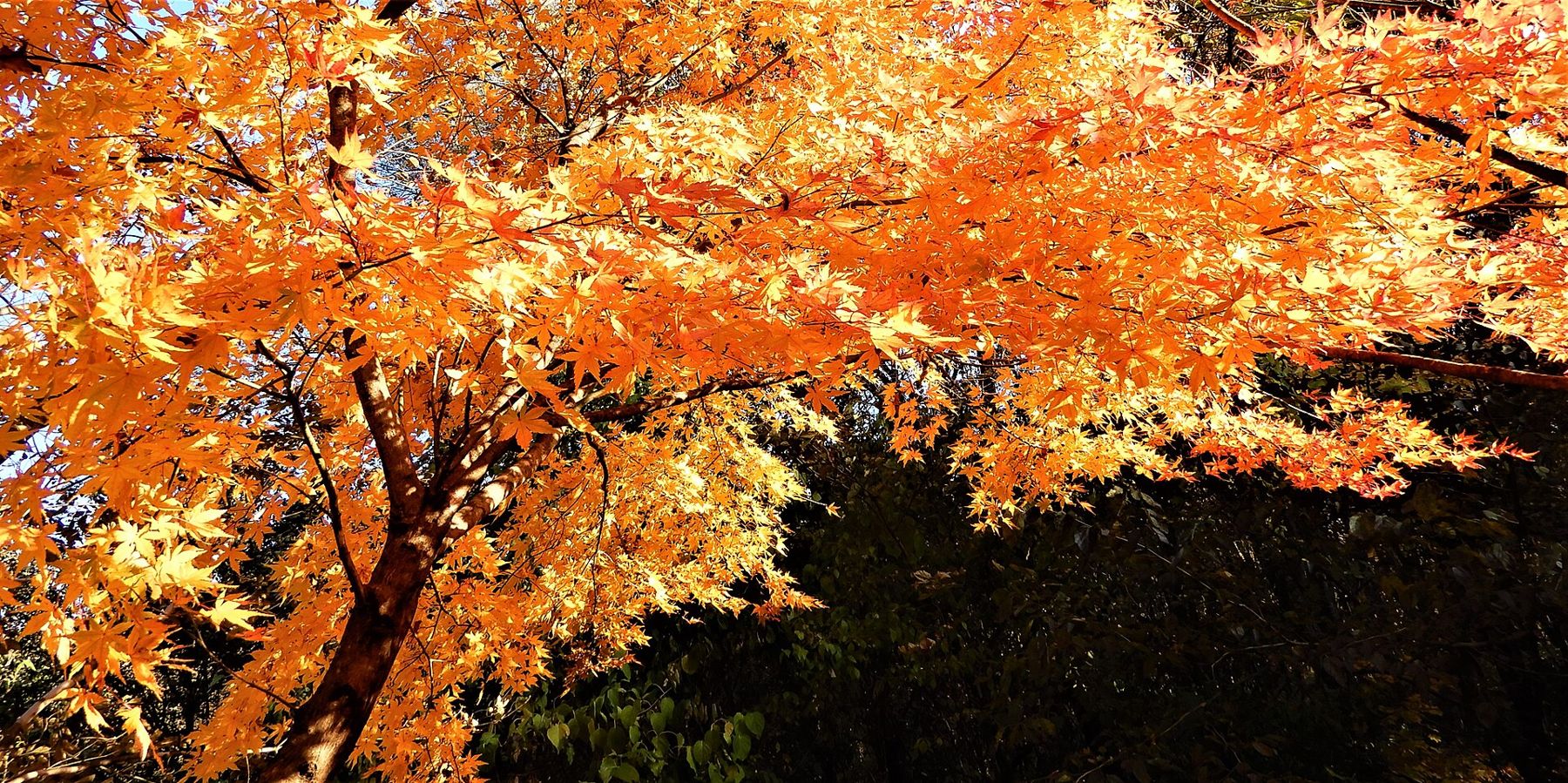
Autumn leaves from the tent door
Koyo, the autumn colour, starts on Hokkaido's high peaks in September and works its way south and downhill until December. Follow it with a warm sleeping bag and a flexible plan.
- Best months
- Late September to early December
- Getting there
- Follow the colour south and downhill
- Pack
- Warm sleeping bag, down jacket, headlamp, gloves, thermos
Koyo, autumn leaves, is one of the great seasons for camping in Japan. The air is dry and clear after the summer humidity, the insects have mostly gone, and the hills turn red, orange and gold. Momiji, the Japanese maples, give the reds; beech, birch, larch and ginkgo give the yellows and golds. A campground in a mixed forest at its peak is a very good place to wake up.
How the colour moves
Autumn colour in Japan moves in the opposite direction to the cherry blossom: it starts in the north and on the high mountains, then travels south and downhill as the nights get colder. In general terms:
- Hokkaido's high peaks, such as the Daisetsuzan range, colour first, from around mid to late September.
- Mountain areas of Tohoku and the high ground of central Honshu follow in October.
- Lower ground in Tohoku and the highlands nearer Tokyo, such as Nikko's upper lakes, usually peak from mid to late October.
- The lowlands of Kanto and Kansai, including Kyoto, usually peak in the second half of November.
- Southern Honshu, Shikoku and the Kyushu lowlands follow in late November and early December.
Every year is different. A warm autumn delays the colour and can dull it; a sharp cold snap brings it on quickly. Forecasts and colour reports are published through the season, so check close to your dates and be ready to shift a weekend.
Where to camp for colour
Places with a mix of maple, beech and conifer give the longest show, because different trees turn at different times. Highland valleys and lakeshores, where the colour reflects in still water, are especially good.
In Tochigi, the area above Nikko, around Lake Chuzenji and the Senjogahara marsh, colours from early October, earlier than the shrine town below. In northern Tohoku, Lake Towada and the Oirase Stream are known for their beech forests in October. The Nasu highlands, the Fuji Five Lakes and the Kamikochi valley all have strong autumn seasons too.
The lower you go, the later the peak. If you miss the colour in the mountains, drop a few hundred metres and you may find it still going.
Cold nights
The clear skies that make autumn so pleasant by day also let the heat escape at night. In highland campgrounds, frost is common from October, and nights can fall below freezing well before the leaves have finished. Bring a sleeping bag rated for the cold you expect, not the warm afternoon you arrive in.
- An insulated sleeping mat matters as much as the bag; the cold ground takes heat from you all night.
- Pack a down jacket, a warm hat and gloves for the evening and the early morning.
- Fill a thermos with hot water before bed; a hot drink at dawn helps.
- Never bring a stove, heater or charcoal burner inside a closed tent to stay warm. They can produce carbon monoxide, which you cannot smell and which kills.
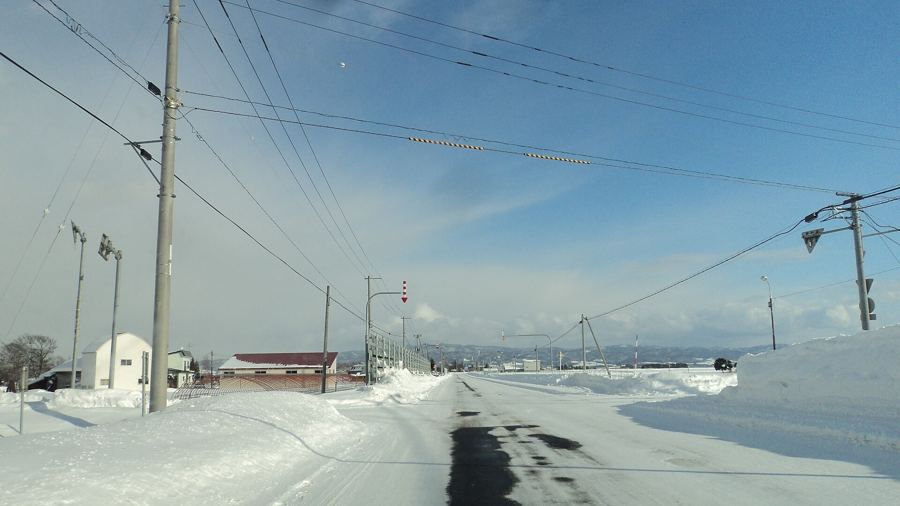 another page in the bookSnow camping, gently
Bears in autumn
Autumn is when Asian black bears on Honshu and brown bears in Hokkaido feed hardest before their winter sleep, eating acorns, beechnuts and fruit. In years when the nut crop fails, bears range further in search of food and come closer to villages and campgrounds. Read local bear warnings before you go, carry a bell on forest walks, and keep every scrap of food and rubbish in your car or a sealed store, never in the tent. The bear safety guide covers what to do if you meet one.
Shorter days
By November, the sun sets around half past four in Tokyo, earlier further east and north. In a forest valley, the light goes even sooner. Arrive with time to pitch in daylight, keep a headlamp in your pocket, and plan walks so you are back before dusk. Many campgrounds have fixed check-in windows that make this easier; ask when you book.
Long evenings are a good reason to plan a bath. An onsen, a hot spring, near the campground warms you through before a cold night; check its closing time, because rural baths can close early.
Crowds and closing dates
Autumn colour draws big crowds. Famous roads such as the Irohazaka hairpins below Lake Chuzenji can back up for hours on weekends, and the most popular campgrounds book out early for October and November weekends. Go on weekdays if you can, set off before dawn, or choose a less famous valley nearby.
Many high-altitude and northern campgrounds close for the season in late October or November, and some mountain roads close for winter around the same time. Check the opening season of each campground and road before you plan, because those dates change. Campgrounds lower down and further south often stay open later, and some are open all year.
Leaves and manners
Do not break off branches or pick leaves from trees, especially in temples, shrines and parks. Fallen leaves are fine to look at, but leave them where they are in protected areas. When you photograph the colour, stay on paths, do not block narrow roads with your car, and give way to local traffic. And as always, take your rubbish with you, or sort it as the campground asks; the rubbish sorting guide explains how.
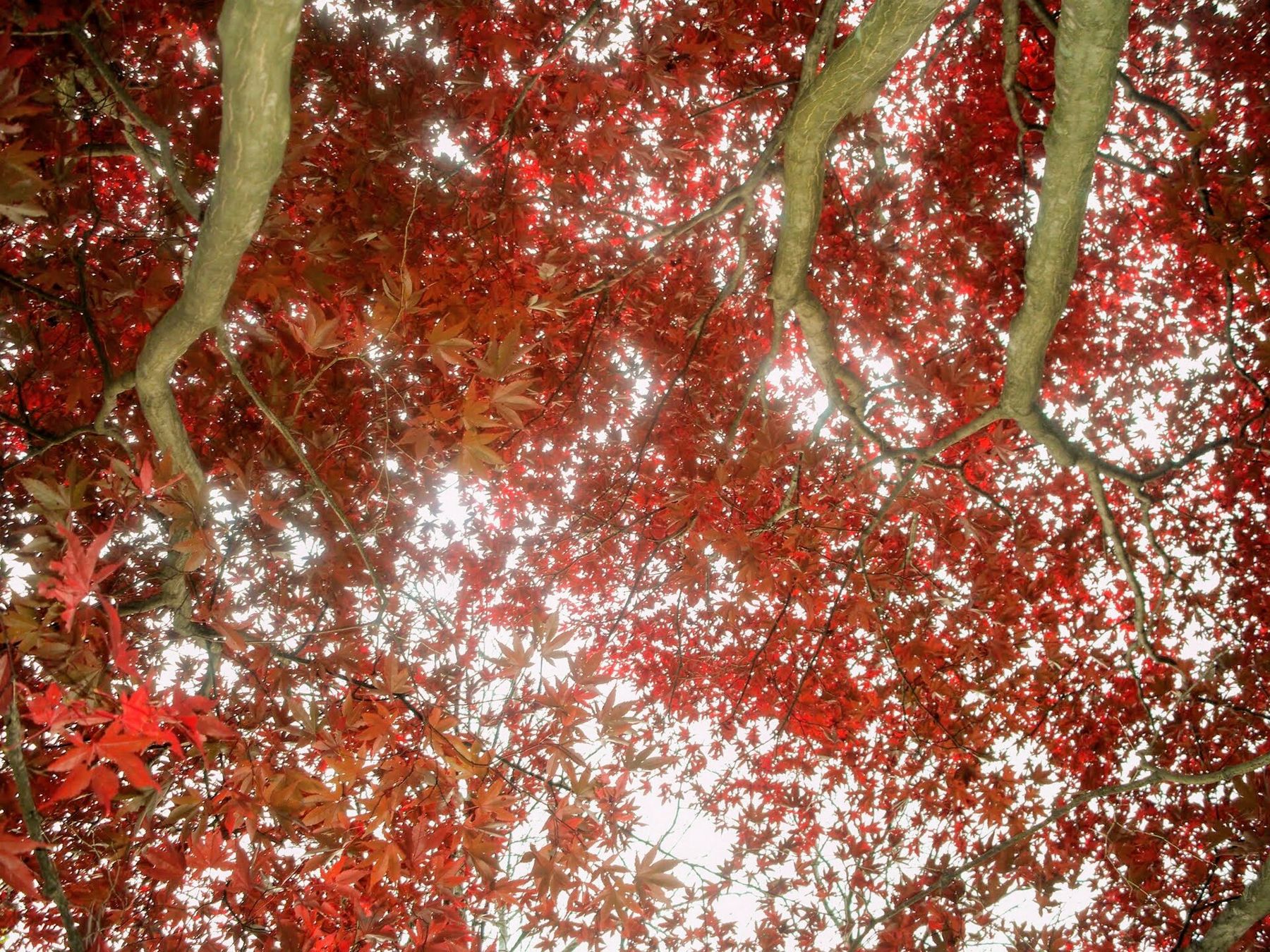
Autumn rewards a flexible plan more than any other season. Watch the reports, follow the colour, and you can camp under it from September into December.