Season: March, April, May
Cherry blossom camping
The sakura front moves north through Japan from late March to May. Camping under the blossom means cold nights, early bookings and good hanami manners, and it is worth all three.
- Best months
- Late March to mid-May
- Getting there
- Follow the sakura front north by train
- Pack
- Warm sleeping bag, ground mat, rubbish bags, down jacket
Sakura, cherry blossom, is the most famous season in Japan, and most visitors see it in city parks among crowds. Camping lets you see it differently: a campground with cherry trees along a lake or river, the blossom catching the morning light outside the tent door, and a quiet evening when the day visitors have gone home. It takes some planning, because the bloom is short and the nights are still cold.
How the sakura front moves
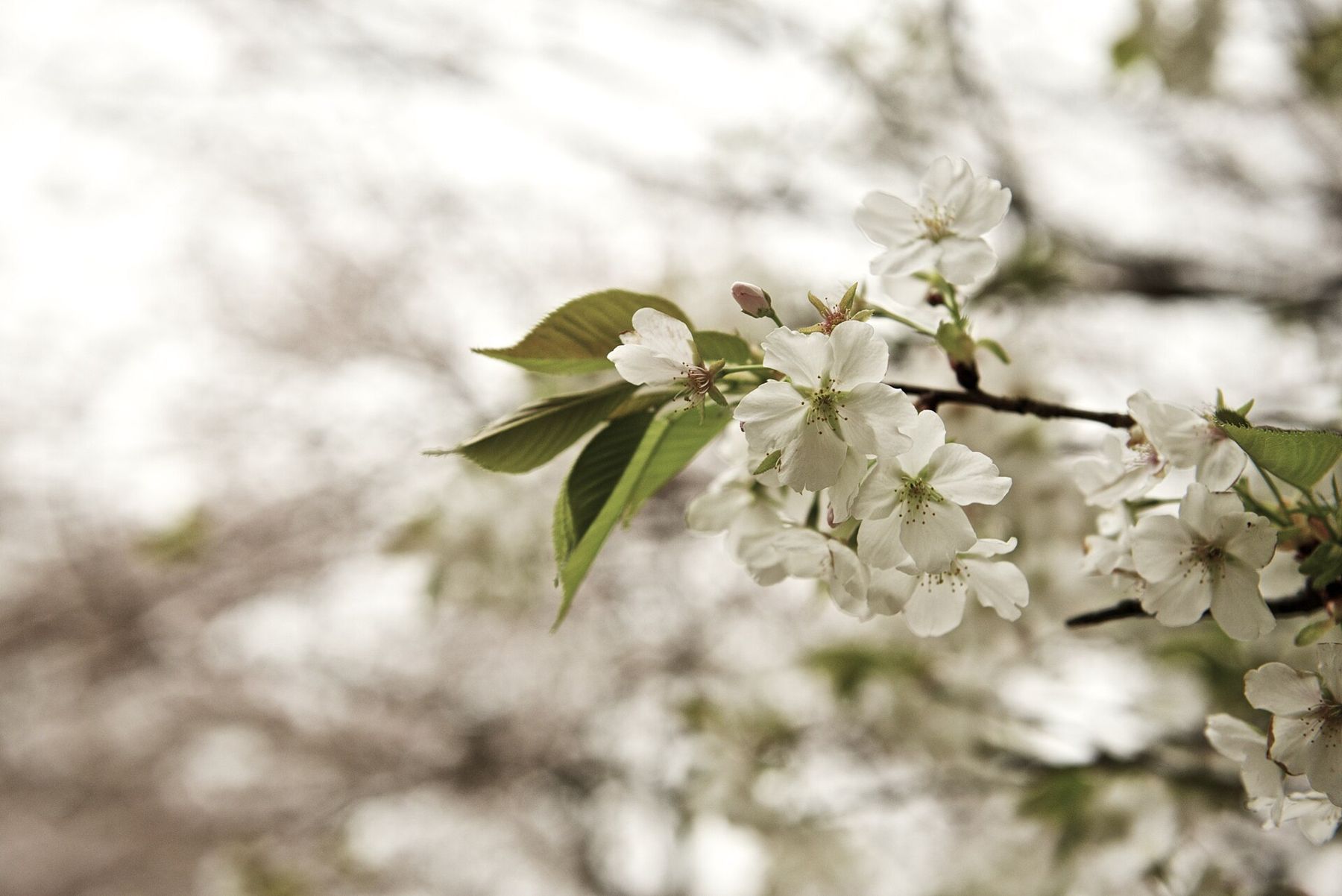
The sakura zensen, the cherry blossom front, travels from south to north and from low ground to high. The flowering dates of the Somei Yoshino, the pale pink variety planted in most parks, are tracked and forecast each year. In general terms:
- Kyushu, Shikoku and the main cities of Honshu, including Tokyo, Osaka and Kyoto, usually bloom from late March to early April.
- Tohoku follows through April, with the north of the region around the end of the month.
- Hokkaido usually blooms from late April to mid May, later in the east and the high ground.
- In the mountains of Honshu, the bloom can arrive weeks after the lowland cities below.
Okinawa is the exception: its own deep pink cherries flower in winter, around January and February.
Full bloom lasts only about a week in any one place, and rain or strong wind can shorten it. Forecasts are updated as the season approaches, so plan loosely, check close to the date, and be ready to move a weekend.
Where to camp under blossom
Many public campgrounds and lakeside parks are planted with cherry trees, and some of the best blossom in Japan is in quieter rural towns rather than the famous city spots. Riverbanks, lakeshores, castle grounds and old railway lines often have long rows of trees.
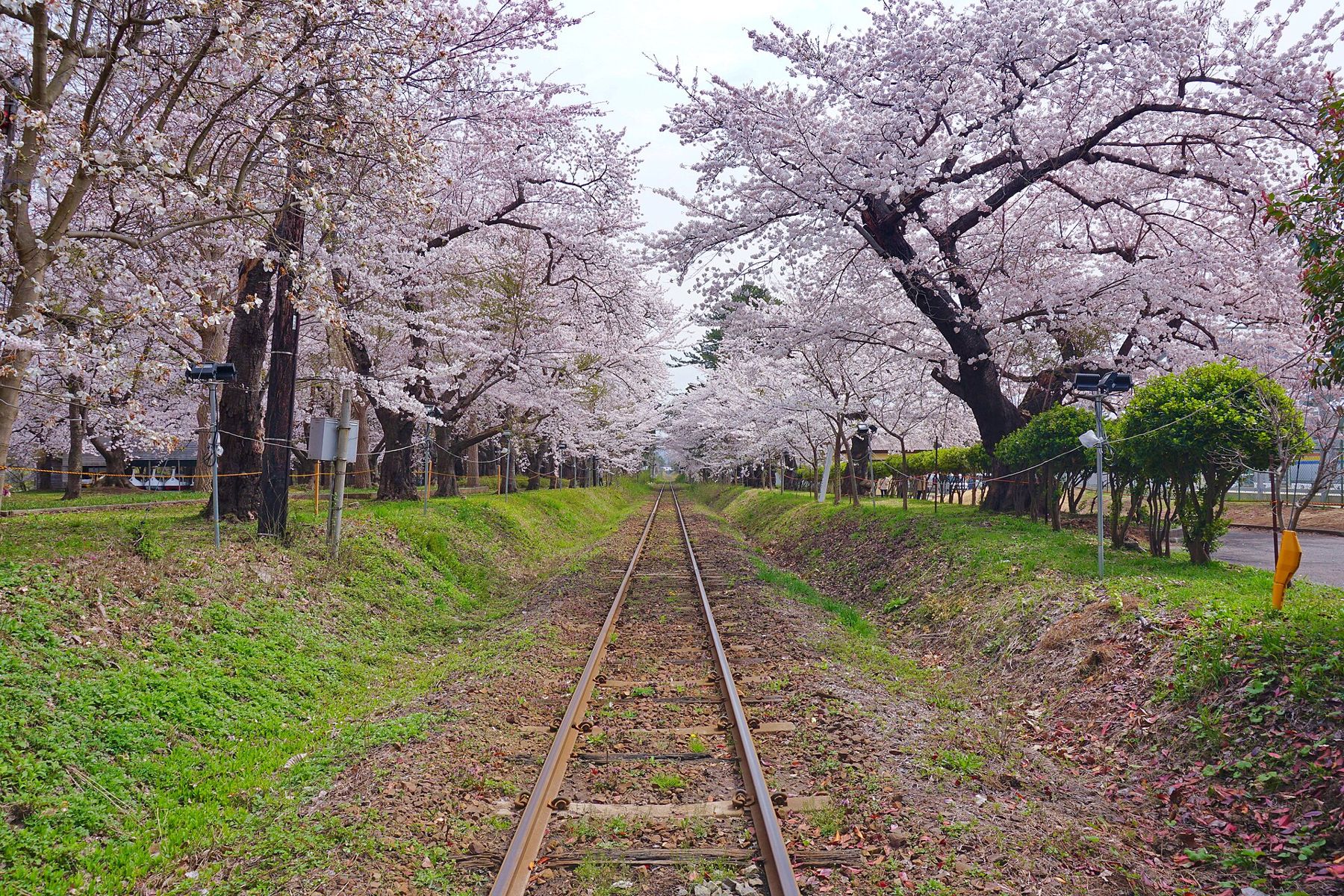
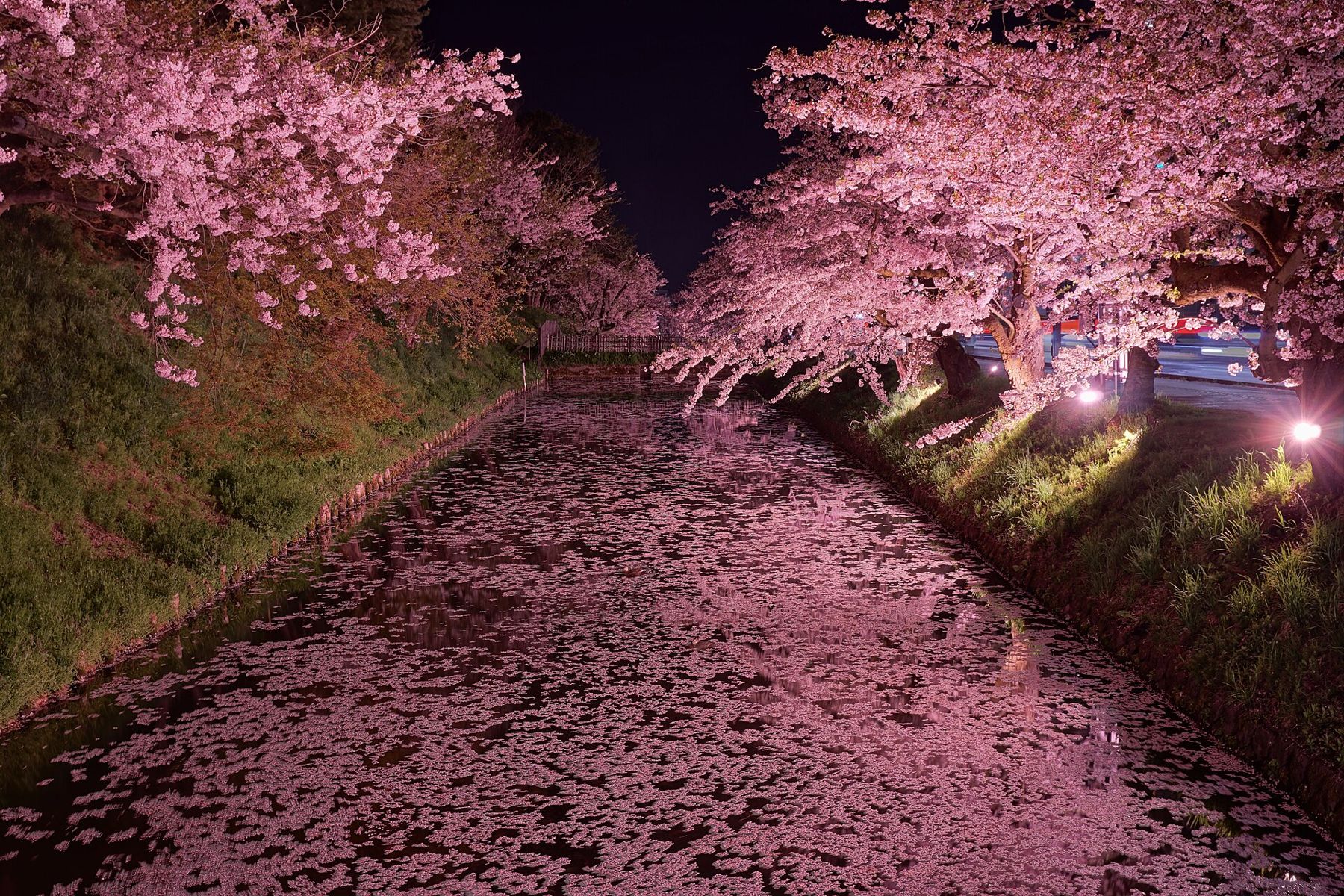
In the north of Honshu, Aomori prefecture is known for its blossom in late April and early May. The moat of Hirosaki Castle is one of the most famous cherry sites in the country, with petals covering the water at the end of the bloom. Not far away, the trees of Ashino Park in Goshogawara arch over the line of the Tsugaru Railway.
Chasing the front north is a good way to extend the season. If the bloom has passed in Tokyo, the lakes above Nikko, the Tohoku coast and the shores of Lake Towada may still be weeks away from their peak.
 another page in the bookBooking, check-in and quiet hours at Japanese campgrounds
Cold spring nights
Blossom season is spring by the calendar but often closer to winter at night. In Tohoku and Hokkaido, and in any highland campground, April and early May nights can fall close to freezing, and late snow is not unusual in the mountains. Even in Kanto and Kansai, a clear night in early April can be colder than you expect after a warm afternoon.
- Pack a three-season sleeping bag rated for near freezing, and a warm insulated mat.
- Bring a down jacket, a warm hat and gloves for the evening.
- Keep stoves and heaters out of the tent; carbon monoxide from any burner in an enclosed space can kill.
- Some northern and high campgrounds have not opened for the season by the time the blossom arrives. Check opening dates before you plan.
Golden Week and booking
Golden Week, the run of public holidays from the end of April into early May, is the busiest week of the year for travel in Japan, and it overlaps with the blossom in Tohoku and the start of the season in Hokkaido. Campgrounds, ferries, trains and rental cars book out well ahead. If you want to camp under blossom in the north at that time, reserve as early as each campground allows, or aim for the days just before or after the holiday.
The types of campground differ in how they take bookings; public sites in particular often open their reservations on a set day.
Hanami manners
Hanami, flower viewing, is a social tradition, and in parks it often means a picnic and a few drinks under the trees. A few customs keep it pleasant for everyone, and they apply just as much in a campground.
- Never shake, climb or break the branches of a cherry tree, and do not pick the flowers. The trees are fragile and many are old.
- Do not drive tent pegs over roots or tie lines to cherry trunks.
- Many parks ban barbecues, open fires and amplified music. In campgrounds, fires go on stands only, never on the ground under the trees.
- Do not stake out large areas with tarps for hours before you need them where it is not allowed.
- Take all your rubbish home or sort it exactly as the site asks. Bins overflow in blossom season, and leaving bags beside a full bin is not acceptable.
Seeing the blossom at its best
Blossom season is also a good time to combine camping with a visit to a nearby town. Many castle parks and shrines in rural areas hold small festivals with food stalls while the trees are in flower, and these are usually calmer than the famous city events.
The best hours are early. Get up at dawn and you will have the trees almost to yourself, with soft light and still air. In the evening, some places light the trees after dark, and the effect on water is striking.
Late in the season, watch for hanafubuki, the blizzard of petals when wind shakes the trees, and for petals gathering on rivers and moats. The end of the bloom has its own beauty, and the campgrounds are often quieter by then.