Hokkaido Prefecture
Lake Shikotsu, a caldera lake an hour from the airport
A deep, clear caldera lake ringed by volcanoes, with a sandy shore for tents, cool summer air and a short ride from Hokkaido's main airport.
- Best months
- Late June to early October
- Getting there
- Bus from Shin-Chitose Airport or Chitose
- Pack
- Bear bell, warm layers, rubbish bags to take home
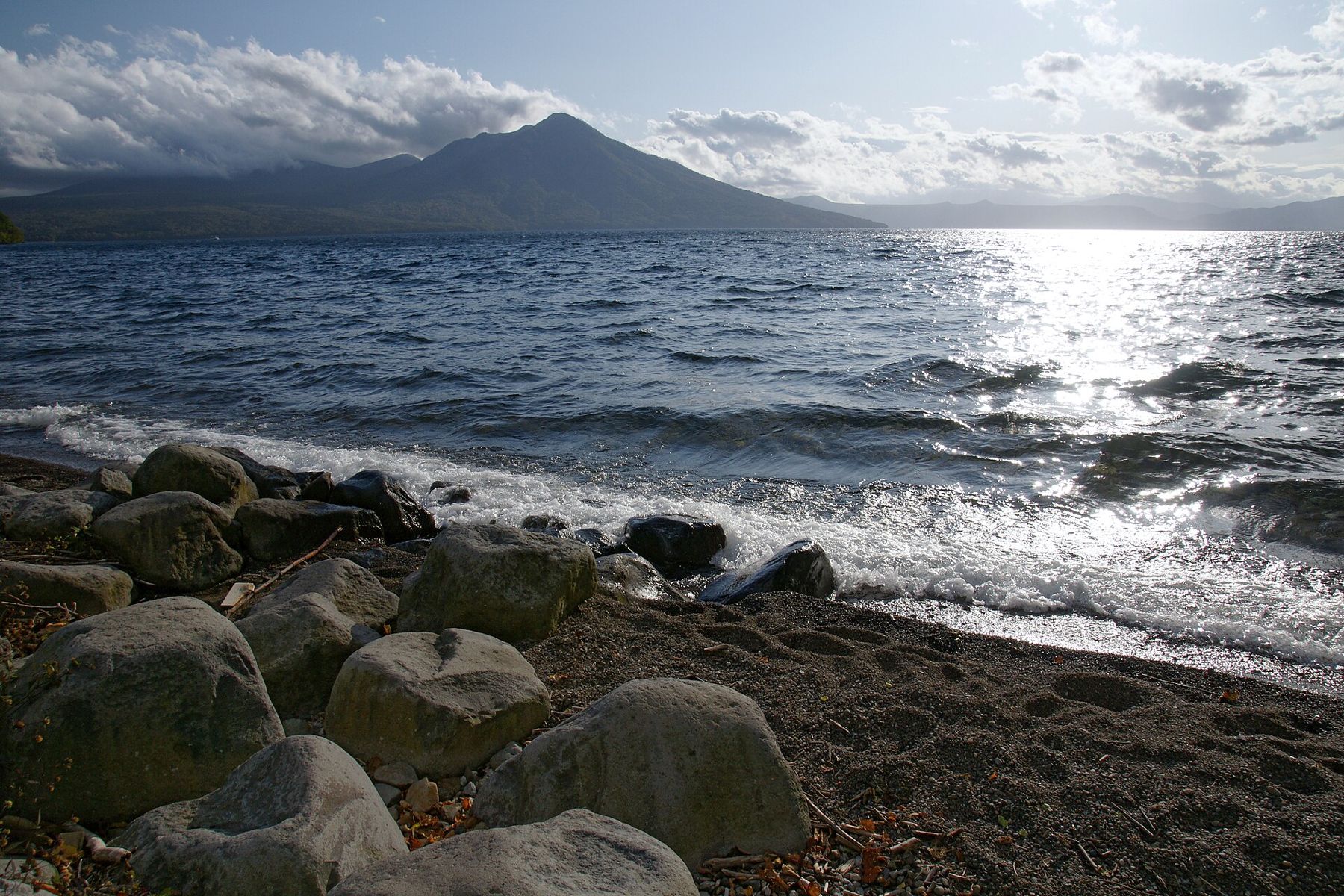
Lake Shikotsu sits inside a volcanic caldera south-west of Sapporo, in Shikotsu-Toya National Park. It is one of the deepest lakes in Japan, and the depth shows in the colour: on a still day the water close to shore is so clear you can count the pebbles, and a little further out it turns a deep, cold blue. Volcanoes stand around the rim. Mount Eniwa rises to the north, Mount Fuppushi and Mount Tarumae to the south, and on most days at least one of them is mirrored in the water in front of your tent.
For a camper, the attraction is how easy all this is to reach. Shin-Chitose Airport, the main gateway to Hokkaido, is close enough that you can land in the morning and have a tent pitched on the shore by early afternoon. And because this is Hokkaido, the summer air stays cool when the rest of Japan is sweltering.
The lake and the volcanoes around it
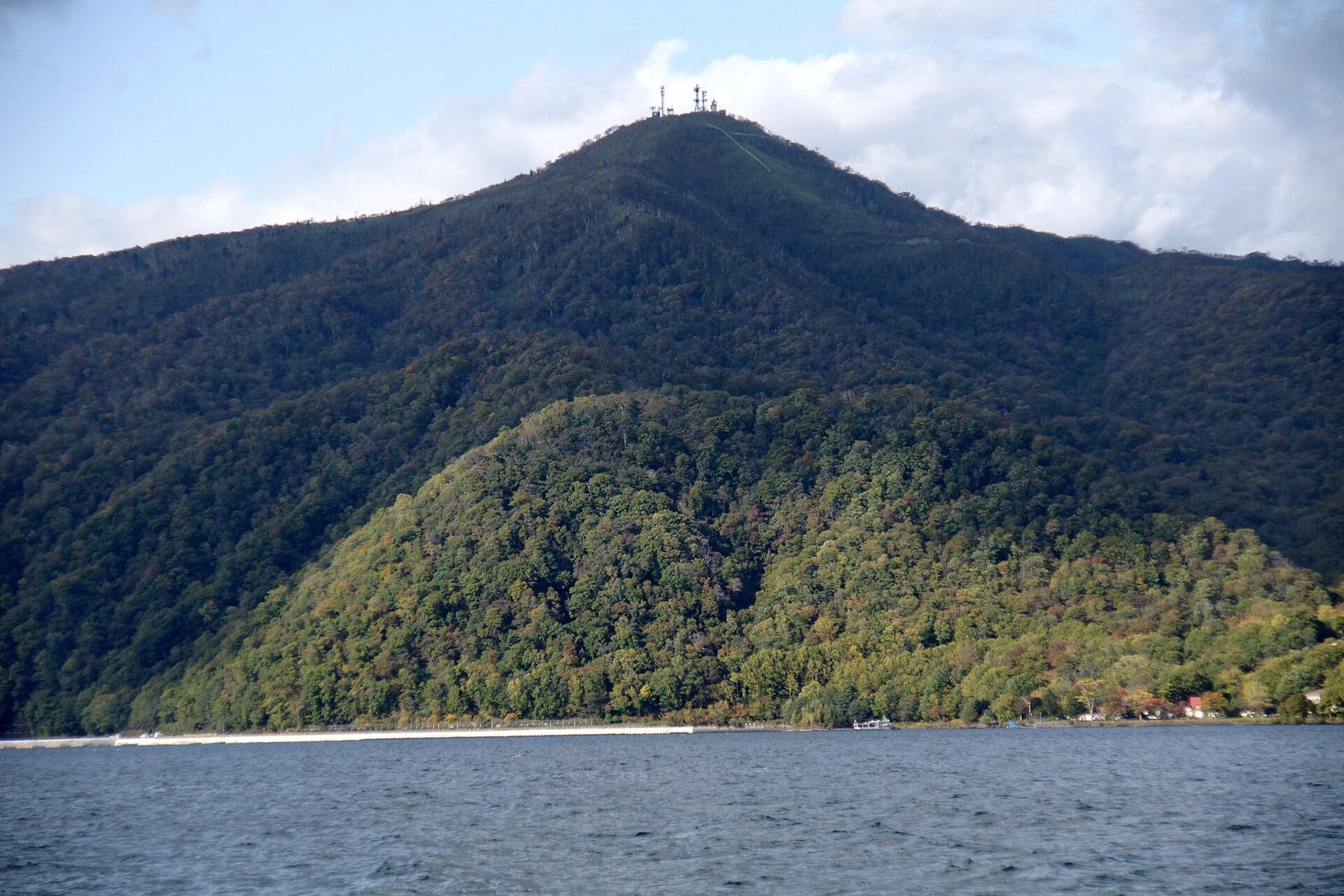
The caldera formed in a series of huge eruptions long before people lived here, and later volcanoes grew on its edges. Mount Tarumae, on the south side, is still active, and its summit carries a lava dome that steams on calm days. Mount Fuppushi, its neighbour, is a steeper, greener peak, and Mount Eniwa to the north is the tallest of the three. Together they give the lake its shape: a deep bowl with forested slopes falling straight into the water and only a few flat beaches.
The lake is also known for rarely freezing over, even in a Hokkaido winter, because there is so much deep water holding its heat. The small lakeside village of Shikotsu Kohan, where the Chitose River leaves the lake, has the visitor centre, the bus stop, a red footbridge across the river and a few places to eat. Most visitors stay around the village. Campers usually head a little further, to the shore at Morappu.
Camping on the Morappu shore
Morappu is a stretch of sandy, pebbly beach on the southern shore, a short drive from the village, with views across the water to Mount Eniwa. Tents go up on the sand and among the trees behind it, close enough to the water that many campers launch a canoe straight from the pitch. The beach slopes gently at first and then drops away fast, which is worth knowing before anyone wades out on a hot afternoon.
Expect a simple setup rather than a resort. There are toilets and water, and the rules are the usual ones for Japan: fires only in a stand or a grill, never on the bare sand; quiet hours in the evening; and a careful approach to rubbish. Many Hokkaido campgrounds ask you to take every scrap home or to sort it strictly on site, so read the rules at check-in and see the guide to sorting your rubbish before you go. Opening dates, fees and whether you need to book ahead all change from year to year, so check before you travel, especially for summer weekends and the Obon holiday in mid-August, when Sapporo families fill the shore.
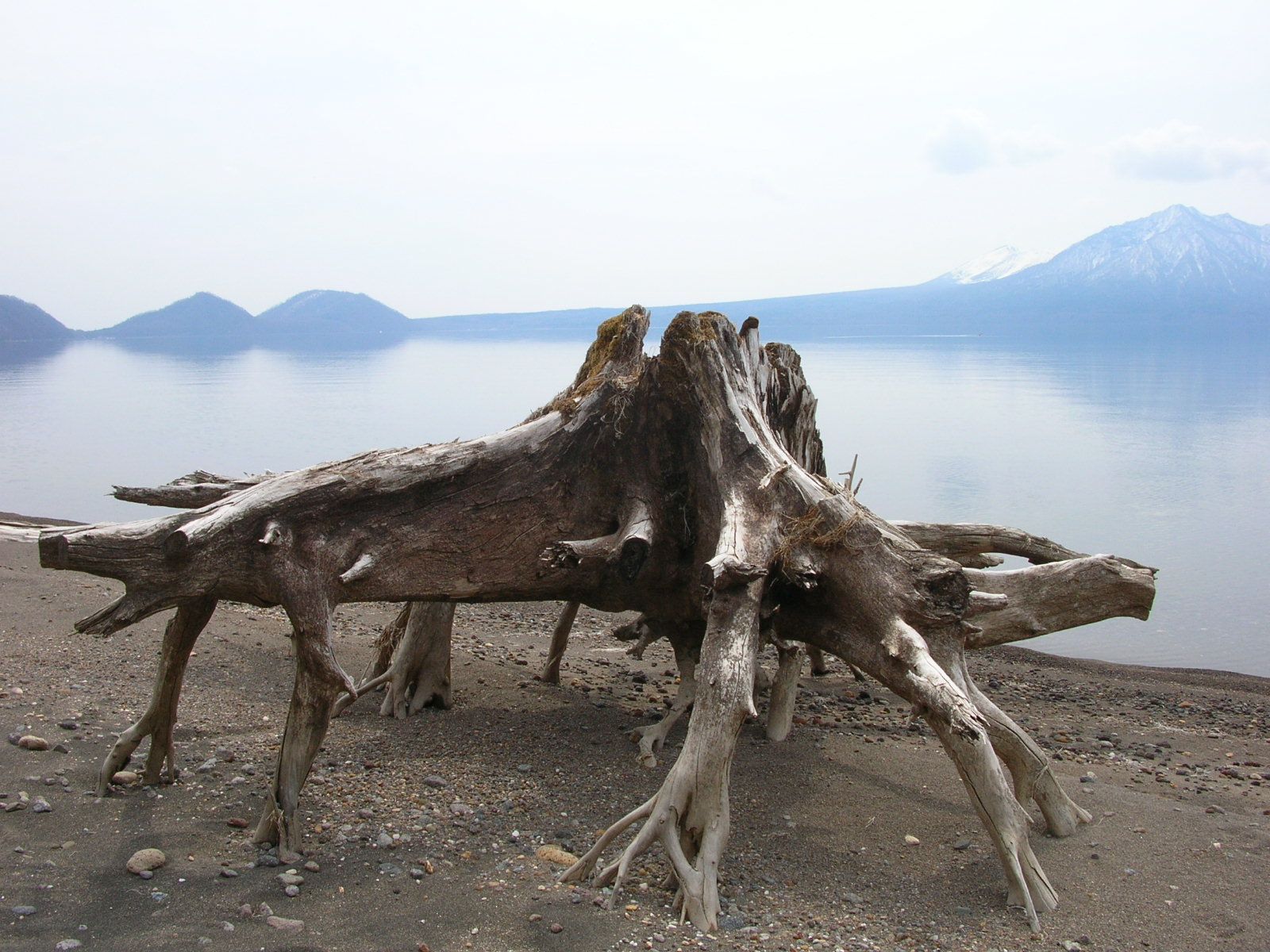
The sand is volcanic and dark, and driftwood collects along the waterline. Leave it where it lies: it is part of the national park, and burning gathered wood on the beach is not allowed.
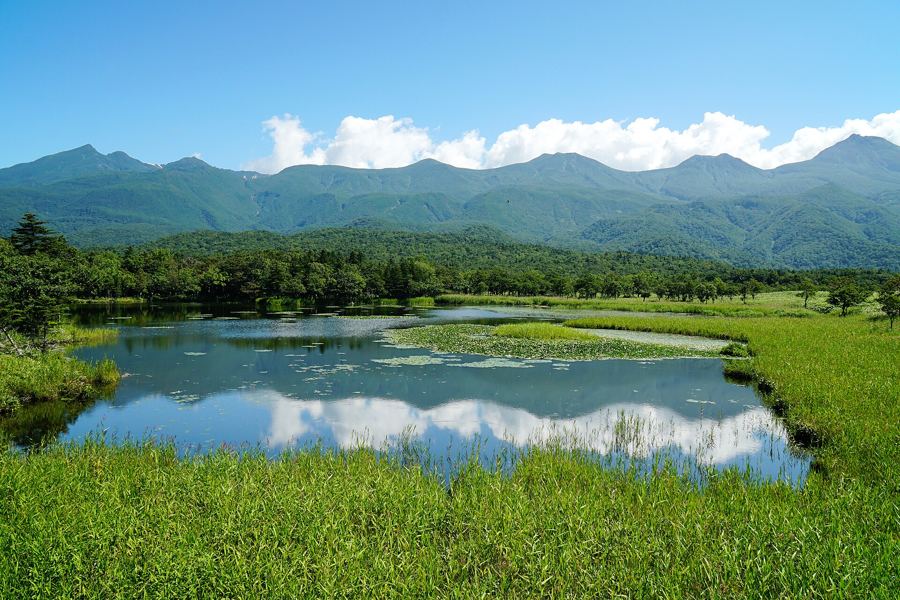 another page in the bookShiretoko, where Hokkaido runs out of road
On the water and up the mountain
Canoeing and kayaking are the reasons many people come. In the early morning the lake is often glassy, and paddling along the shore lets you look down through several metres of clear water to sunken logs and boulders. The wind can rise quickly in the afternoon, and the water stays cold all summer, so wear a buoyancy aid, stay near the shore and come back in when the surface starts to chop. Guided canoe trips run from the village in summer if you have no boat of your own.
Mount Tarumae is the classic short climb. In a normal season a road leads up to a car park high on the mountain, and from there it is an easy walk across open volcanic ground to the rim of the outer crater, looking down on the steaming dome. Because the volcano is active, access depends on the current alert level, and the road and trail are sometimes closed. Check the official volcano information before you set out, and do not go past any closed rope.
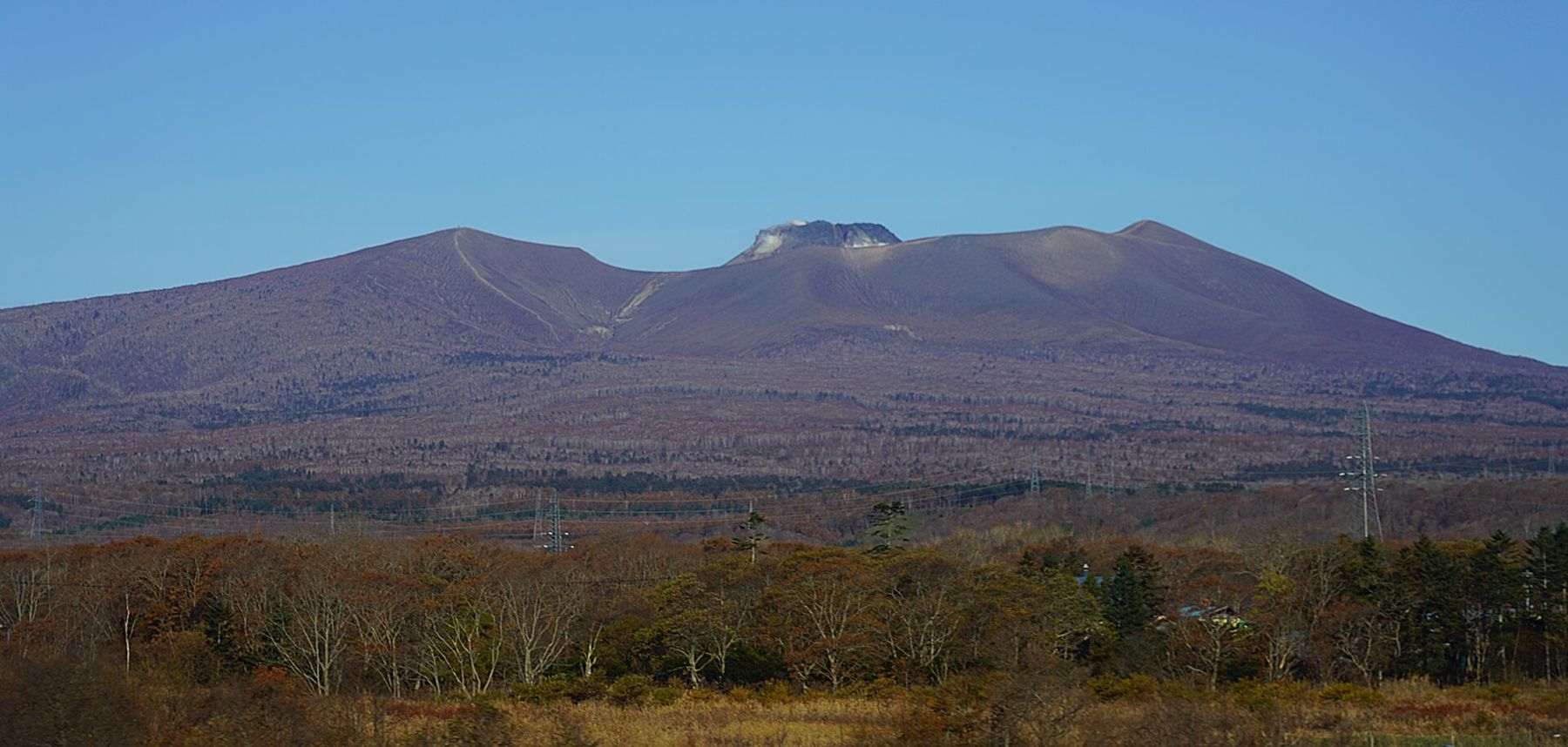
Mount Fuppushi and Mount Eniwa are longer, steeper climbs through forest, better suited to experienced hikers with an early start. For a gentler day, there is fishing for himemasu, the landlocked salmon the lake is known for, in the permitted season, and a soak in one of the hot springs near the village afterwards. The page on bathing after a night in the tent covers the manners.
Brown bears: the plain rules
Hokkaido is brown bear country, and the forests around Lake Shikotsu are part of it. Brown bears are larger and more dangerous than the Asian black bears of Honshu, and they are seen around the lake from time to time. Bear warnings are posted at trailheads and sometimes at the campground itself, and trails or areas can be closed after a sighting. Take those notices seriously.
The rules are simple. Never leave food, cooking pots, rubbish or anything scented outside your tent or car at night; store it in a closed vehicle or wherever the campground tells you. Never feed any wild animal, including the foxes that wander through campsites. On trails, make noise with a bell or by talking, walk in a group where possible, and avoid dawn and dusk in thick forest. If you see a bear at a distance, do not approach, do not run, and back away calmly. The longer guide to bears and mountain safety goes into more detail.
Foxes deserve their own warning. Hokkaido foxes can carry a parasite that is dangerous to people, so do not touch them, do not let them near your food, and treat stream water before drinking it.
When to go and what the weather does
The camping season at the lake runs roughly from late spring to early autumn, with the warmest, busiest weeks in July and August. Even then, nights by the water are cool and sometimes cold, and morning mist over the lake is common. Hokkaido largely escapes tsuyu, the rainy season that soaks the rest of Japan in June and July, which makes it a good choice for summer.
Pack for a Hokkaido summer, not a Tokyo one: a fleece and a warm sleeping bag will be used.
Pack for a Hokkaido summer, not a Tokyo one: a fleece and a warm sleeping bag will be used.
September brings clear days and the first koyo (autumn leaves) on the slopes, with frost possible at night by the end of the month. Outside the season, the campground closes, but the lake itself stays open, and in winter its shore becomes a place for snow walks and ice sculptures.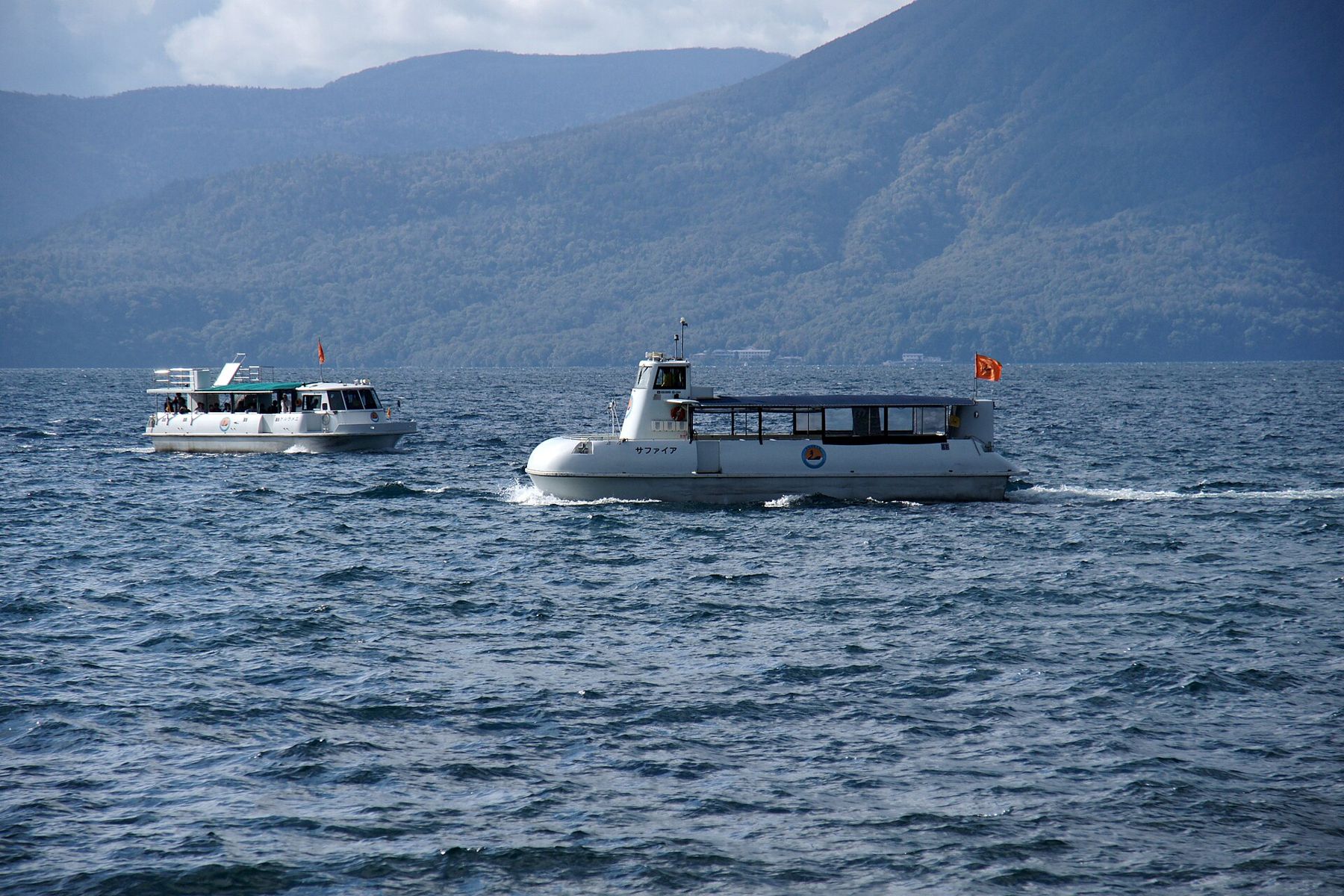
Getting there and getting around
Local buses run from Shin-Chitose Airport and from Chitose Station to Shikotsu Kohan, and in summer there are also services from Sapporo. Timetables are thin, especially outside the high season, so check them before you plan your day. From the village, Morappu is a short taxi ride or a long walk along the road with your gear. A car makes life far easier here, and rental cars are easy to pick up at the airport.
Shops around the lake are few and close early. Buy food and fuel in Chitose or at the airport before you head up, carry cash, and bring enough water and snacks for a quiet evening. Then let the light go down over the volcanoes, and listen to the lake.