Season: May, June, July
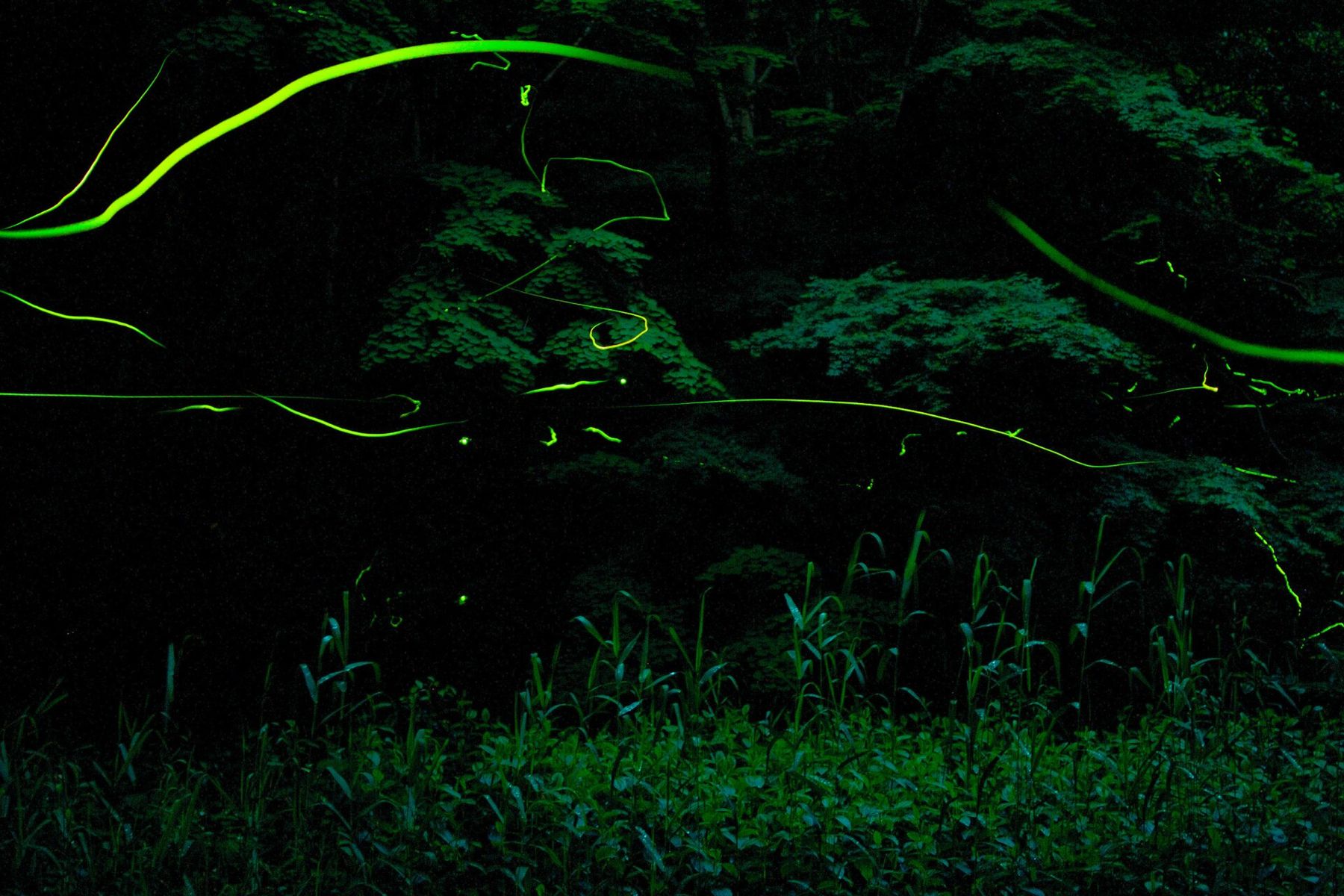
Fireflies on the campground stream
For a few weeks in early summer, clean streams and rice paddies across Japan fill with slow green light. A tent pitched near the water gives you a front-row seat.
- Best months
- Late May to mid-July
- Getting there
- Rural campgrounds beside clean streams and paddies
- Pack
- Dim red light, long sleeves, insect repellent, patience
Hotaru, fireflies, are one of the quiet reasons to camp in Japan in early summer. On a warm, still evening, a stream that looked ordinary at dinner time starts to blink, first with one light low in the grass, then with dozens drifting over the water. Many rural towns hold a small hotaru festival, and plenty of campgrounds in the hills sit beside exactly the kind of clean, slow water the insects need. You do not need special gear to enjoy them. You need the right few weeks, a dark night and the discipline to leave your torch off.
Two fireflies worth knowing
The firefly most Japanese people picture is the Genji botaru, the Genji firefly. It is the larger of the two common species, found only in Japan, and its light is a strong, slow pulse. Its larvae live underwater in clean flowing streams and feed on small freshwater snails, so where you see Genji fireflies in numbers, you are usually looking at a healthy stream with stony beds and plants along the banks.
The Heike botaru, the Heike firefly, is smaller and its light is fainter and quicker. Its larvae prefer still or barely moving water, which is why it turns up over rice paddies, irrigation ditches and marshy edges rather than mountain streams. The names come from the Genji and Heike clans of the twelfth-century wars, the larger insect taking the name of the side that won.
Both are adults for only a short time. They do not feed much as adults; the light show is about finding a mate, and it lasts a week or two in any one spot.
When the lights come on
Timing moves with latitude, altitude and the weather of each year, so treat any date as a rough guide. In general the Genji firefly appears first in the warm south, from around late May in Kyushu and Shikoku, and through June across much of Honshu. In cooler valleys, higher ground and the north of Tohoku the season runs later, into July. The Heike firefly tends to start a little later than the Genji in the same area and can carry on into summer.
Local tourist offices and town halls usually announce when the fireflies are out, and many update their notices through the season. Check close to your dates, because a cold spring or a heavy flood can shift or thin a season.
On the night itself, the best hours are usually from about an hour after sunset for an hour or two. Warm, humid, windless evenings are ideal; fireflies are scarce on cold nights, in strong wind and in heavy rain. A soft drizzle that stops before dark can be good. A bright full moon dims the show.
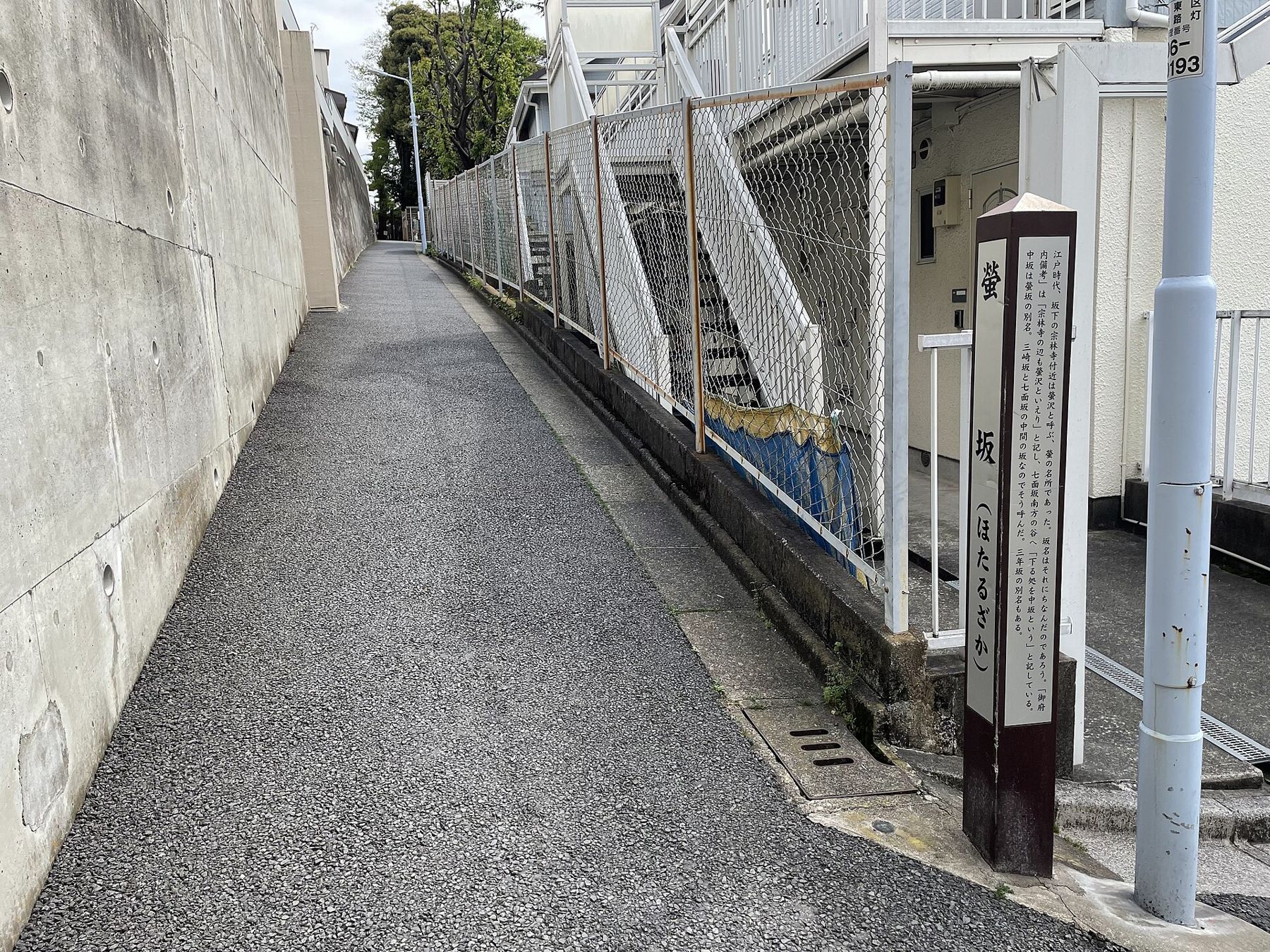
Fireflies were once common even in city districts; old street names such as Hotaru-zaka in Tokyo recall them. Today most of the reliable places are rural, and that is where camping comes in.
Choosing a campground for fireflies
Look for a site beside a small, clean stream with plants hanging over the banks, away from street lights, in country that still has rice paddies and woodland around it. Riverside campgrounds in the hill country of Honshu and Shikoku are often good, and so are highland areas such as the slopes around Nasu, where the season arrives a little later than on the plain. The Shimanto River country in Kochi is known for clean water and is worth a look for both species.
Ask when you book whether fireflies appear on the site or nearby. Staff at public campgrounds often know the best stretch of water and the usual peak week. Choose a pitch away from the car park and the toilet block lights if you can.
The firefly season overlaps with tsuyu, the rainy season, across much of the country, so pack a good tarp and plan for damp ground.
 another page in the bookCamping through the rainy season
Keep the dark
Fireflies talk to each other with light, and stray light confuses them. This is the one rule that matters most, and it also gives you a better view.
- Turn off headlamps and lanterns when you reach the water. If you must use a light to walk, use a dim red one and point it at your feet.
- Do not use camera flash. Phone screens are bright; turn the brightness right down or keep the phone in your pocket.
- Park with headlights pointed away from the stream, and do not leave a car running with its lights on.
- Give your eyes ten or fifteen minutes. The longer you wait in the dark, the more lights you see.
Campgrounds already ask for quiet in the evening, and on firefly nights neighbours will thank you for keeping lanterns low too. The quiet hours that most sites set fit the viewing window well.
Respecting the insects
Do not catch fireflies, and do not take them back to the tent in a jar. In many areas they are protected by local rules, and some places have spent years restoring their streams. A firefly that is caught usually dies within a day or two and never breeds.
Stay on paths and do not trample the bank. The grass along the water is where adults rest by day and where females lay their eggs; the larvae later crawl up the banks to pupate in the soil. Do not wash dishes, pour soapy water or empty cooler water into the stream. Keep insect spray off your hands if fireflies land near you, and let them go about their business.
At organised viewing spots you may find volunteers guiding people and asking for silence. Follow what they say; they look after those streams all year.
A firefly evening, step by step
Pitch your tent in daylight and walk the stream before dinner so you know where the banks drop and where the path goes. Eat early. Set up a chair or a mat near the water with your back to the campground lights, and wear long sleeves and trousers, because the same damp, still air that suits fireflies also suits mosquitoes.
Then turn everything off and wait. The first lights are often low in the grass, before the air fills with drifting ones. Watch for an hour, walk back slowly with a dim light, and you will likely have the campground to yourself for a bath at a nearby onsen, a hot spring, before it closes.